
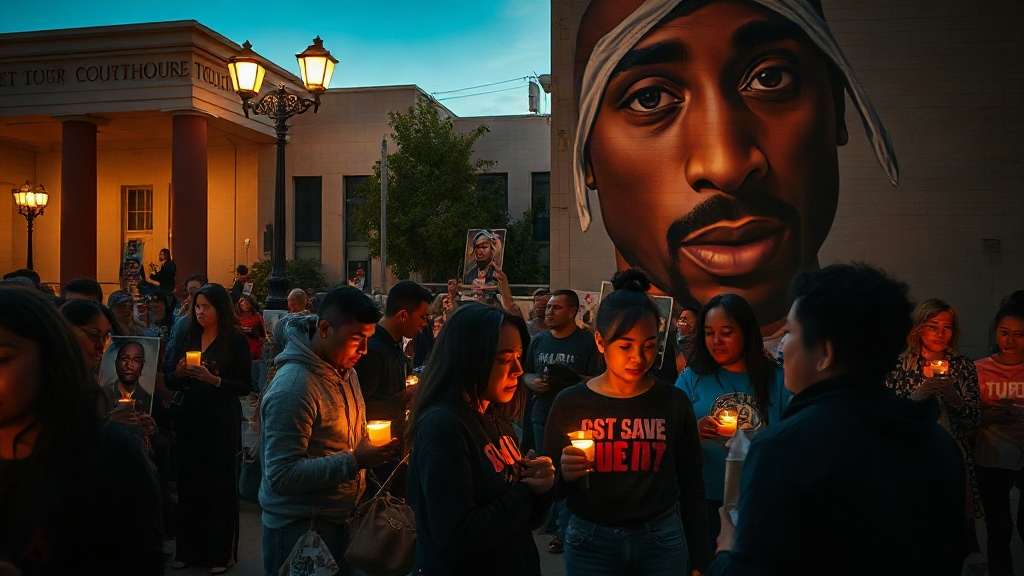
It was a moment many thought would never come. Three decades after Tupac Shakur was gunned down on the Las Vegas strip, a jury has finally held someone accountable. The conviction of Duane “Keffe D” Davis has unleashed a wave of emotion among fans who grew up with Tupac's music, mourned his loss, and spent years chasing rumors and theories. For them, this week's verdict is not just a legal milestone; it is a deeply personal reckoning with a wound that never fully healed.
Across social media, the phrase “It always comes around” has become a refrain. Fans are sharing memories of where they were when they heard the news in September 1996, posting lyrics that feel newly resonant, and debating what this conviction means for the broader culture of hip-hop and for the unresolved questions that have lingered for so long.
A Verdict Decades in the Making
To understand the weight of this moment, you have to remember how long the case sat cold. Tupac Shakur was only 25 when he was shot on the night of September 7, 1996, after attending a Mike Tyson fight. He died six days later. The investigation stalled for years, hampered by witness silence, jurisdictional complexities, and the code of the streets that discouraged cooperation with law enforcement.
Then, seemingly out of nowhere, the case cracked open. Duane Davis, a former Compton gang leader who had long been named in various accounts of the shooting, was arrested in 2023 and charged with murder. The trial, which unfolded over several weeks, painted a picture of a man who had allegedly orchestrated the attack from the backseat of a white Cadillac. On Monday, the jury returned a guilty verdict.
For fans, the conviction is a strange kind of closure. It does not bring Tupac back, and it does not answer every lingering question about the night he died. But it does affirm something many have believed for years: that the truth was always there, waiting for the right moment to surface.
The Emotional Response from Fans
The reaction online has been overwhelming. On Twitter, Instagram, and fan forums, people are processing the news in real time. Some are crying. Some are angry that it took 30 years. Others are simply grateful that Tupac's family and loved ones have finally seen some measure of justice.
One fan, a 45-year-old teacher from Atlanta, wrote: “I was 15 when Tupac died. I remember feeling like the world had stopped. Today, watching that verdict come down, I felt that same lump in my throat. It's like the last chapter is finally being written.”
That sentiment is common. Tupac was more than a rapper to many people; he was a poet, an activist, a symbol of raw talent and unfiltered truth. His death left a void that no artist has ever fully filled. The conviction does not erase that void, but it does give fans a new way to talk about his legacy, one that includes accountability and the slow grind of the justice system.
Why This Conviction Matters Beyond the Courtroom
This case has always been bigger than one man. Tupac's murder came at a volatile moment in hip-hop history, amid the East Coast–West Coast rivalry that also claimed the life of The Notorious B.I.G. just six months later. The failure to solve either case for decades became a symbol of institutional neglect and the ways in which Black victims of violence were often denied the resources and attention they deserved.
Now, with a conviction in Tupac's case, there is hope that the culture can begin to close that painful chapter. It does not mean all questions are answered, and it certainly does not mean that the systemic issues have vanished. But it does show that time does not erase accountability. As one fan put it, “Justice delayed is not always justice denied. Sometimes it just takes longer than it should.”
Legal experts caution that the verdict may still be appealed, and the full story may never be known. But for the millions of people who have carried Tupac's music in their hearts, the conviction is a powerful reminder that the truth can still emerge, even after 30 years.
A Legacy That Refuses to Fade
Tupac Shakur's influence has only grown since his death. His albums continue to sell, his poetry is studied in classrooms, and his image appears on murals from Los Angeles to Berlin. He has become a global icon, a figure whose words still speak to new generations of listeners who were not even born when he was alive.
That enduring relevance is part of why this conviction feels so significant. It is not just about the past; it is about how we remember and honor those who are taken too soon. Fans have kept Tupac's memory alive through tribute concerts, documentaries, and social media campaigns demanding justice. Now, that collective effort has borne fruit.
In the days since the verdict, streaming numbers for Tupac's music have spiked. Songs like “Changes,” “Dear Mama,” and “Keep Ya Head Up” are being shared with renewed fervor. It is as if the world is rediscovering his voice precisely because the legal chapter has finally closed.
What Comes Next
Duane Davis faces sentencing in the coming weeks. He is likely to spend the rest of his life in prison. The outcome will not bring Tupac back, and it will not end the debates about what really happened that night. But it does mark a turning point.
For fans, the next step is to continue celebrating Tupac's life and work. The conviction is not an ending; it is a new beginning. It is a chance to talk about his music with fresh eyes, to introduce his art to a new generation, and to remind the world why his voice still matters.
Some fans are already planning gatherings in Las Vegas and Los Angeles to mark the verdict, not as a celebration of punishment but as a communal moment of remembrance. They will play his songs, light candles, and share stories. It is a testament to the bond that Tupac created with his audience, a bond that even death could not sever.
As one fan wrote on a memorial page, “We never stopped believing. We never stopped waiting. And now, finally, we can start to heal.”
The conviction is a milestone, but it is also a mirror. It reflects the love that fans have carried for three decades, the frustration of unanswered questions, and the stubborn hope that justice, however slow, would eventually arrive. “It always comes around,” they say. And this week, it did.
Frequently Asked Questions
Who was convicted in Tupac Shakur's murder?
Duane “Keffe D” Davis, a former Compton gang leader, was found guilty of murder for his role in orchestrating the 1996 shooting that killed Tupac Shakur. He was arrested in 2023 and convicted on Monday after a trial.
Why did it take 30 years to get a conviction in Tupac's case?
The investigation stalled for decades due to a lack of cooperative witnesses, fear of retaliation, and the complex code of silence often associated with gang-related violence. The case gained new momentum when Davis himself spoke publicly about the shooting in interviews and a memoir, providing enough evidence for prosecutors to bring charges.
How are fans reacting to the conviction?
Fans have expressed a mix of relief, grief, and vindication. Many are sharing memories of Tupac and his music, while others are reflecting on the long wait for justice. The phrase “It always comes around” has become a common reaction, symbolizing the belief that truth and accountability eventually surface.
What does this conviction mean for Tupac's legacy?
It adds a new chapter to his legacy by finally addressing the legal accountability for his death. It does not change his artistic impact, but it gives fans and loved ones a sense of closure and reinforces the idea that his life and death continue to matter in the broader cultural conversation.
Will there be an appeal in the case?
It is possible. Davis's legal team may appeal the verdict, which could prolong the legal process. However, for now, the conviction stands as the first and only criminal conviction in Tupac Shakur's murder.