
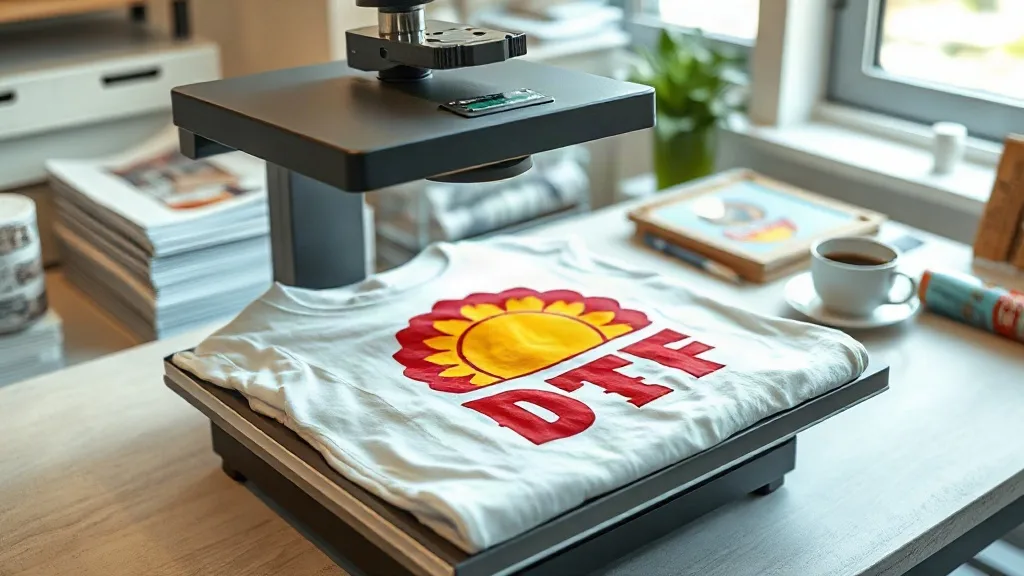
Custom apparel has never been more accessible, thanks to innovations like dtf transfers. Whether you're a small business owner looking to offer personalized shirts or a hobbyist wanting to create unique designs, DTF transfers provide a versatile and cost-effective solution. In this guide, we'll dive deep into what DTF transfers are, how they work, and why they might be the perfect choice for your next project. Plus, we'll help you find reliable dtf transfers near me options so you can get started right away.
What Are DTF Transfers?
DTF stands for Direct to Film. It's a printing technology where your design is printed onto a special film, then transferred to fabric using heat and pressure. Unlike other methods, DTF doesn't require pre-treatment of the fabric, making it incredibly versatile. The process involves printing a mirror image of your design onto a PET film using special inks, then applying a powder adhesive while the ink is still wet. Once the powder is melted, the film is ready to be pressed onto a garment.
The result is a vibrant, durable print that adheres well to a variety of fabrics, including cotton, polyester, and blends. This flexibility is a game-changer for those who work with diverse materials.
The DTF Transfer Process: Step by Step
Understanding the process helps you appreciate the magic behind DTF. Here's a breakdown:
- Design Preparation: Your artwork is prepared digitally, ensuring it's mirrored for transfer.
- Printing: The design is printed onto a special film using DTF inks.
- Powder Application: While the ink is wet, a hot-melt adhesive powder is applied evenly.
- Curing: The powder is melted using heat, typically in a curing oven or with a heat press.
- Transfer: The film is placed on the fabric and pressed with a heat press at a specific temperature and pressure.
- Peeling: Once cooled, the film is peeled away, leaving the design bonded to the fabric.
Each step is crucial for achieving a high-quality, long-lasting print. Skipping or rushing any stage can lead to poor adhesion or faded colors.
Why Choose DTF Transfers?
There are several compelling reasons to opt for DTF transfers over other decoration methods like screen printing or vinyl. Here are the key benefits:
- Vibrant Colors: DTF prints can achieve incredibly bright and detailed designs, even on dark fabrics, without the need for a white underbase.
- Fabric Versatility: Works on cotton, polyester, blends, and even some synthetics. No need for different supplies for different fabrics.
- Durability: When applied correctly, DTF prints are resistant to cracking, peeling, and fading, even after multiple washes.
- Cost-Effective for Small Runs: No setup costs like screen printing, making it ideal for one-offs or small batches.
- Soft Hand Feel: The prints are relatively soft and flexible, not stiff like some other methods.
- No Pre-Treatment: Saves time and money, especially for cotton fabrics.
These advantages make DTF a favorite among custom apparel creators, from Etsy sellers to large-scale printers.
DTF vs. Other Printing Methods
How does DTF stack up against screen printing, DTG, and vinyl? Let's compare:
DTF vs. Screen Printing
Screen printing is cost-effective for large orders but requires setup and is limited to certain fabrics. DTF excels in small runs and complex designs with gradients. Screen printing often has a thicker feel, while DTF is softer.
DTF vs. DTG (Direct to Garment)
DTG prints directly onto the garment, often requiring pre-treatment for cotton. DTF works on more fabrics and doesn't need pre-treatment. DTG can be slower and more expensive for small batches.
DTF vs. Vinyl
Vinyl is great for simple designs but not for complex images. DTF handles full-color designs with ease and offers better durability.
Each method has its place, but DTF's versatility gives it a distinct edge.
Applications of DTF Transfers
DTF transfers are used across various industries and personal projects:
- Custom T-Shirts: Perfect for personalized gifts, team uniforms, or merchandise.
- Hoodies and Sweatshirts: Ideal for bold designs on thicker fabrics.
- Tote Bags: Add flair to everyday bags.
- Sportswear: DTF's flexibility suits activewear.
- Corporate Apparel: Branded uniforms with detailed logos.
- Promotional Items: Quick turnaround for events.
The possibilities are endless, limited only by your imagination.
How to Get Started with DTF Transfers
Ready to dive in? Here's what you need:
- Design Software: Tools like Photoshop or Illustrator for creating artwork.
- DTF Printer: A specialized printer that uses DTF inks. Alternatively, you can order transfers from a service.
- DTF Film and Powder: High-quality supplies are essential for good results.
- Heat Press: A reliable heat press for transferring.
- Knowledge: Follow guidelines for temperature, pressure, and timing.
If you're not ready to invest in equipment, many companies offer DTF transfer services. You simply upload your design, and they ship you the ready-to-press transfers. This is a great way to test the waters without a big upfront cost.
Finding DTF Transfers Near You
Searching for dtf transfers near me? You're not alone. Many creators prefer local suppliers for faster turnaround and personalized service. Here's how to find them:
- Online Directories: Sites like Google Maps and Yelp list local print shops.
- Craft Fairs and Markets: Meet vendors who offer DTF services.
- Social Media: Facebook groups and Instagram hashtags can connect you with local providers.
- Word of Mouth: Ask in crafting communities for recommendations.
When choosing a supplier, check reviews, ask for samples, and confirm their turnaround time. Quality and reliability are key.
Tips for Perfect DTF Transfers
Achieving professional results requires attention to detail. Keep these tips in mind:
- Preheat the Fabric: Remove moisture for better adhesion.
- Use the Right Settings: Follow the transfer instructions for temperature, pressure, and time.
- Cool Before Peeling: Wait for the transfer to cool completely before peeling the film.
- Wash Inside Out: To prolong the life of the print, wash garments inside out in cold water.
- Store Transfers Properly: Keep unused transfers in a cool, dry place.
These small steps make a big difference in durability and appearance.
Common Mistakes to Avoid
Even experienced users can slip up. Watch out for these pitfalls:
- Insufficient Pressure: Leads to poor adhesion.
- Wrong Temperature: Too hot can scorch; too cool won't bond.
- Peeling Too Soon: Causes design to lift.
- Ignoring Fabric Type: Some fabrics require lower temperatures.
- Using Expired Film or Powder: Always check dates.
By avoiding these, you'll save time and materials.
Frequently Asked Questions
What fabrics can I use with DTF transfers?
DTF transfers work on a wide range of fabrics, including cotton, polyester, blends, and even some synthetics. They are particularly effective on fabrics that are difficult to print with other methods.
How long do DTF transfers last?
When applied correctly and cared for properly, DTF transfers can last as long as the garment itself. They are resistant to cracking and fading, even after many washes.
Do I need special equipment to apply DTF transfers?
You need a heat press to apply DTF transfers. A standard heat press works well; just ensure it can reach the required temperature and pressure. No other special equipment is needed.
Can I use DTF transfers on dark-colored shirts?
Absolutely! DTF transfers produce vibrant colors on both light and dark fabrics without the need for a white underbase. The white ink layer in the transfer ensures opacity.
Where can I buy DTF transfers?
You can purchase DTF transfers from online retailers, local print shops, or specialized DTF transfer services. Many online services allow you to upload your design and order custom transfers. For local options, search for dtf transfers near me to find suppliers in your area.