
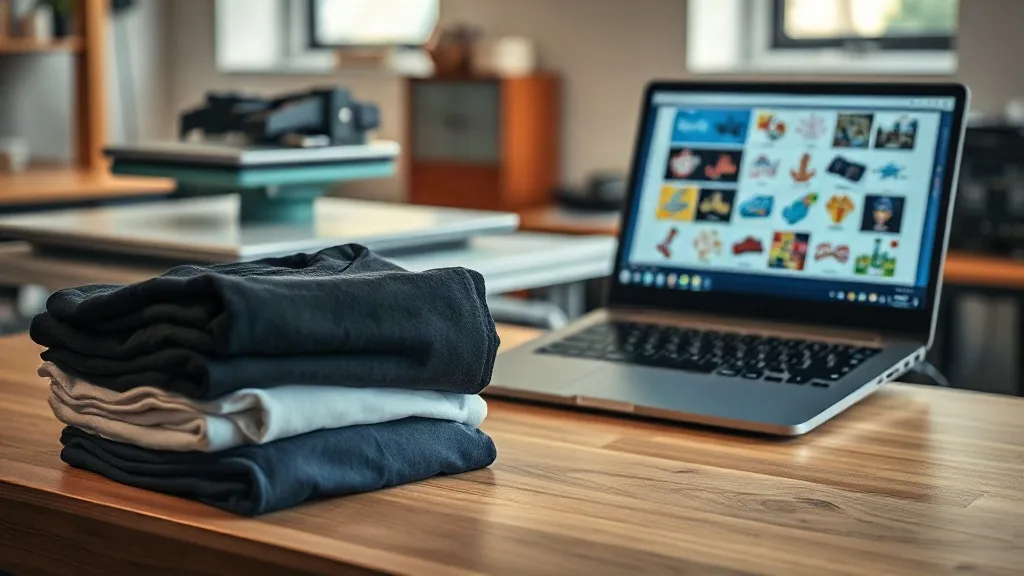
Custom apparel is a crowded space. Whether you are a small print shop owner or a DIY creator, finding the right blank and a reliable printing method can make or break your margins. That is where the combination of shaka wear and a DTF Gangsheet Builder comes into play. In this article, I will share why these two tools have become go-to resources for many in the industry, and how you can use them to produce high-quality custom garments without the usual headaches.
Why Shaka Wear Blanks Stand Out
If you have been in the custom apparel game for a while, you know that not all blanks are created equal. Shaka Wear has carved out a reputation for offering heavyweight, durable garments that hold up well to printing and repeated washing. Their tees, hoodies, and crews are known for a boxy, contemporary fit that appeals to streetwear and urban fashion markets. The fabric weight, often around 6 to 7 ounces per square yard, provides a substantial feel that customers associate with quality. This is crucial when you are selling custom pieces at a premium.
But what really sets shaka wear apart is consistency. In my experience, ordering blanks from various suppliers can be a gamble. Sometimes you get a batch that shrinks unevenly or has inconsistent stitching. Shaka Wear has been reliable in delivering the same fit and feel order after order. That reliability means fewer returns and happier customers. Plus, their range of colors and sizes is extensive, making it easy to fulfill diverse orders without sourcing from multiple vendors.
What Is a DTF Gangsheet Builder?
DTF (Direct to Film) printing has exploded in popularity because it allows for vibrant, full-color designs on a wide variety of fabrics, including dark colors and synthetics. The process involves printing your design onto a special film, applying adhesive powder, and then heat-pressing it onto the garment. It is a game-changer for small businesses because it eliminates the need for expensive screen setup and allows for short runs.
A DTF Gangsheet Builder is an online tool that lets you arrange multiple designs onto a single sheet of DTF film. Instead of printing each design separately, you can gang them up to maximize the use of the film. This not only saves on material costs but also reduces production time. The builder typically provides a drag-and-drop interface where you upload your artwork, resize and position it, and then submit the sheet for printing. The printed sheet is then shipped to you, ready to be cut and pressed.
How to Use the DTF Gangsheet Builder Effectively
Using a gangsheet builder is straightforward, but there are tricks to get the most out of it. Here are some practical tips I have picked up along the way.
Plan Your Layout
Before you start dragging and dropping, think about how your designs will fit together. The goal is to minimize wasted space. Rotate designs if necessary, nest smaller items into gaps, and consider the cut lines. Most builders allow you to add a small gap between designs for easy cutting. A well-planned sheet can save you 20-30% on film costs compared to printing individually.
Group by Color and Fabric
If you are printing for multiple garments, group designs that will go on the same fabric type or color. This is not a strict requirement for DTF, but it helps with organization when you are pressing. Also, consider the order of pressing: lighter colors first to avoid any potential residue transfer.
Check Resolution and Sizing
Always ensure your artwork is high resolution (300 DPI is standard) and sized appropriately for the garment. The builder may have a maximum print width, so double-check dimensions. A common mistake is uploading a low-res image that looks pixelated when printed. Take the extra minute to verify.
Pairing Shaka Wear with DTF: A Match Made in Heaven
Why specifically pair Shaka Wear with DTF? The answer lies in the fabric. Shaka Wear's heavyweight cotton provides a smooth, stable surface for DTF transfers. The thickness of the garment helps prevent the transfer from sinking into the fabric, which can happen with thinner blanks. This results in a more vibrant, long-lasting print. Additionally, the boxy fit of Shaka Wear tees offers a large print area, especially on the back, making them ideal for bold graphics.
From a business perspective, using shaka wear blanks with DTF printing allows you to offer premium custom pieces at a competitive price point. The durability of the garments means your customers will enjoy them for longer, building brand loyalty. And with the DTF Gangsheet Builder, you can efficiently produce small batches of multiple designs, catering to trends and custom orders without overstocking.
Cost and Time Savings in Practice
Let's break down the numbers. Suppose you run a small shop and receive an order for 10 t-shirts with different designs. If you were to use traditional screen printing, you would need to create a screen for each design, which can cost $20-30 per screen plus setup time. With DTF and a gangsheet, you can print all 10 designs on a single sheet. The cost of a gangsheet varies by size and provider, but it is often significantly lower than screen setup fees. Moreover, the turnaround time is faster because you are not waiting for screens to be made.
In my own workflow, I have cut production time by nearly half since switching to gangsheets for small orders. The ability to gang up designs also means I can offer more competitive pricing, which has helped me attract more customers. The DTF Gangsheet Builder from HarwinDTF, for example, provides a user-friendly interface and quick turnaround, which I have found reliable for my business.
Common Pitfalls to Avoid
Even with the best tools, mistakes happen. Here are a few things to watch out for:
- Incorrect color profiles: DTF printing uses CMYK inks, but colors can appear differently on screen versus fabric. Always do a test print if color accuracy is critical.
- Improper pressing: Follow the recommended temperature and pressure settings for DTF transfers. Too much heat can scorch the fabric; too little can cause poor adhesion.
- Neglecting fabric compatibility: While DTF works on many fabrics, some synthetics may require lower temperatures. Always test on a swatch.
- Overlooking maintenance: Keep your heat press clean and your DTF printer maintained to avoid clogs and inconsistent prints.
Taking Your Custom Apparel Business to the Next Level
Whether you are just starting out or looking to scale, the combination of quality blanks and efficient printing methods is key. Shaka Wear provides the foundation with garments that feel premium and print beautifully. The DTF Gangsheet Builder streamlines the printing process, allowing you to be more creative and responsive to customer demands. By integrating these tools into your workflow, you can reduce waste, save time, and deliver products that stand out.
I encourage you to experiment with different layouts and fabric combinations. The flexibility of DTF means you are not limited by color or material, and with Shaka Wear's extensive catalog, you can offer a wide range of styles. As you refine your process, you will likely find that your profit margins improve and your customers notice the difference in quality.
Frequently Asked Questions
What makes Shaka Wear different from other blank t-shirt brands?
Shaka Wear focuses on heavyweight, durable fabrics with a modern, boxy fit. Their garments are designed to withstand frequent washing and hold up well to various printing methods, including DTF. The consistency in sizing and quality across batches is a major advantage for custom apparel businesses.
Can I use any DTF printer with a gangsheet builder?
Most gangsheet builders are designed to work with standard DTF printers, but it is best to check compatibility. The builder typically outputs a file that you can send to your printer or a printing service. If you are using an online service like HarwinDTF, they handle the printing and ship the sheet to you, so you only need to provide the artwork.
How do I ensure my DTF transfers last long on Shaka Wear garments?
Proper pressing is crucial. Preheat the garment to remove moisture, press at the recommended temperature (usually around 320°F to 340°F) for 10-15 seconds, and peel the film while hot or cold as per the film instructions. Wash the garment inside out in cold water and avoid harsh chemicals to prolong the life of the print.
Is DTF printing cost-effective for small orders?
Yes, DTF is particularly cost-effective for small to medium orders because there are no screen setup fees. With a gangsheet, you can further reduce costs by maximizing film usage. For a run of 10-20 shirts with different designs, DTF often beats screen printing on both cost and turnaround time.
Where can I buy Shaka Wear blanks and use a DTF gangsheet builder?
You can find Shaka Wear blanks at various wholesalers, including HarwinDTF, which also offers a DTF Gangsheet Builder service. This allows you to source your garments and printing from the same place, simplifying your supply chain.