
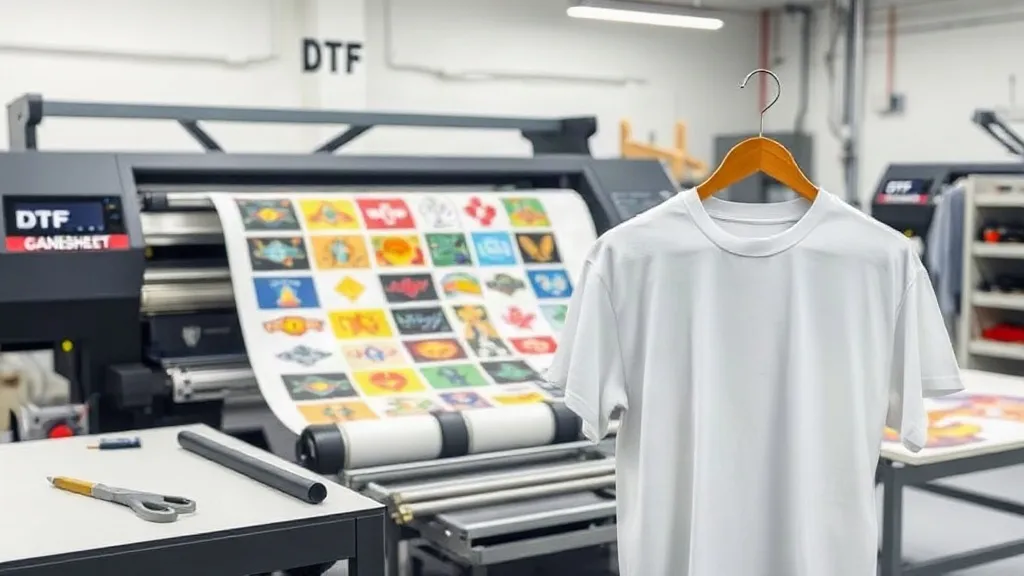
If you run a custom apparel business, you know that efficiency and quality are the keys to staying competitive. Every minute saved and every yard of material conserved adds up. That's where the DTF Gangsheet comes into play. This innovative printing method is changing the way small and large shops approach garment decoration. In this article, we'll explore what DTF gangsheets are, how they work, and why they might be the missing piece in your production puzzle.
What Is a DTF Gangsheet?
A DTF (Direct to Film) gangsheet is a large sheet of transfer film that contains multiple designs printed together in a single pass. Instead of printing each design individually, you arrange all the needed graphics onto one sheet, maximizing the use of space and reducing waste. The sheet is then printed with a DTF printer, powdered with adhesive, and cured. When you're ready to apply, you simply cut out the designs and press them onto garments.
The term "gang" refers to grouping multiple jobs together. This approach is especially beneficial for businesses that handle many small orders or need to produce a variety of designs quickly. By consolidating prints, you save time, reduce material costs, and increase overall throughput.
How Does DTF Printing Work?
Before diving into the benefits of gangsheets, let's briefly cover the DTF printing process. DTF printing involves printing your design onto a special film using water-based pigments. The printer lays down a layer of white ink first (if needed), followed by color inks, and finally a layer of adhesive powder. The film is then cured in an oven or heat press to melt the powder, creating a durable, stretchable transfer.
Once cured, the transfer can be stored for later use or immediately applied to fabric using a heat press. The result is a vibrant, soft print that adheres well to a wide range of materials, including cotton, polyester, blends, and even nylon. Unlike DTG (Direct to Garment) printing, DTF doesn't require pre-treatment, making it more versatile and less time-consuming.
Why Use a DTF Gangsheet?
Now that you understand the basics, let's explore the specific advantages of using a gangsheet approach for your DTF printing.
1. Cost Efficiency
Material costs can eat into your profit margins. With a gangsheet, you print multiple designs on a single sheet, which means you use less film and powder per design. This consolidation reduces waste and lowers your cost per print. Additionally, by maximizing the printable area, you minimize expensive downtime and make the most of your printer's capabilities.
2. Time Savings
Time is money. Printing individual designs one by one is time-consuming, especially if you have many small orders. A gangsheet allows you to print all the designs for a batch of orders in one go. You then only need to cut and press each design, which can be done in a fraction of the time compared to printing each separately. This speed is crucial for meeting tight deadlines and handling rush orders.
3. Consistency and Quality
When you print multiple designs on the same sheet, they all go through the same printing and curing process under identical conditions. This consistency ensures that every transfer has the same quality and durability. There's no variation in ink coverage or curing time, so you can trust that each piece will meet your standards.
4. Versatility
DTF gangsheets are perfect for a wide range of applications. Whether you're printing t-shirts, hoodies, tote bags, or even hats, you can include all these designs on one sheet. This flexibility allows you to take on diverse orders without constantly switching setups. Plus, DTF works on almost any fabric, so you're not limited by material type.
5. Reduced Inventory
With DTF, you don't need to keep a large inventory of pre-printed transfers. You can print gangsheets on demand, storing only the films until you need them. This just-in-time production reduces overhead and allows you to offer more designs without tying up capital in stock.
How to Create a DTF Gangsheet
Creating a gangsheet is straightforward if you follow these steps:
- Collect and prepare your designs: Gather all the graphics you need to print. Ensure they are high resolution (300 DPI recommended) and properly sized for the garments. Remove backgrounds if necessary.
- Arrange designs on a template: Use your printer's RIP software or a design tool to lay out the designs on a sheet that matches your film size. Leave a small gap between designs to allow for cutting. Optimize the layout to minimize wasted space.
- Print the sheet: Send the file to your DTF printer. Make sure the printer is loaded with the correct film and inks. Print the sheet as you would any DTF job.
- Apply adhesive powder: While the ink is still wet, sprinkle the adhesive powder evenly over the printed area. Shake off excess powder.
- Cure the sheet: Place the sheet in a curing oven or use a heat press to melt the powder. Follow the manufacturer's recommended temperature and time.
- Cut and press: Once cured, cut out each design. You can use scissors or a cutting machine. Then heat press onto your garment according to the transfer instructions.
With a bit of practice, you'll be able to create gangsheets quickly and efficiently.
Tips for Maximizing Efficiency with DTF Gangsheets
To get the most out of your gangsheet printing, consider these practical tips:
- Group similar jobs: Combine designs that use similar colors or have similar sizes to optimize ink usage and reduce waste.
- Use nesting software: If you have many small designs, nesting software can automatically arrange them to use the least amount of film.
- Standardize sheet sizes: Stick to a few standard sheet sizes that fit your printer and typical order profiles. This simplifies planning and reduces setup time.
- Keep a library of designs: Maintain a digital library of your most popular designs so you can quickly add them to a gangsheet when needed.
- Monitor ink and powder usage: Keep track of consumption to identify areas where you can save. For example, you might find that certain designs use more ink than necessary.
Common Challenges and Solutions
While DTF gangsheets offer many benefits, they come with a few challenges. Here's how to address them:
- Design placement: Ensuring designs are properly spaced can be tricky. Use templates and guidelines in your software to avoid overlapping.
- Powder application: Uneven powder can cause curing issues. Use a powder shaker for even distribution and always shake off excess.
- Cutting accuracy: Hand cutting can be imprecise. Invest in a cutting plotter or use a die-cut machine for repetitive jobs.
- Storage: Cured transfers should be stored in a cool, dry place away from direct sunlight. Use airtight containers to prevent dust and moisture.
Frequently Asked Questions
What is the maximum size of a DTF gangsheet?
The maximum size depends on your printer and film. Common widths are 13, 17, and 24 inches, with lengths limited by the roll. Some industrial printers can handle wider rolls up to 60 inches. Always check your printer's specifications.
Can I use a DTF gangsheet for small orders?
Absolutely. Gangsheets are ideal for small orders because you can combine multiple designs on one sheet, reducing waste and cost. Even if you have just a few small designs, grouping them saves film and time.
How long can I store a DTF gangsheet before use?
Cured DTF transfers can last up to 6-12 months if stored properly in a cool, dry place away from direct sunlight. Always test a small piece before applying to ensure adhesion.
Do I need special equipment to create a DTF gangsheet?
You need a DTF printer, adhesive powder, a curing oven or heat press, and a way to cut the designs. A computer with design software is also necessary. No other specialized equipment is required.
Is DTF printing suitable for all fabric types?
DTF works on a wide range of fabrics, including cotton, polyester, blends, nylon, and more. It's not recommended for fabrics with heavy textures or coatings that prevent adhesion. Always test on a sample first.
Conclusion
DTF gangsheets are a game-changer for custom apparel businesses looking to improve efficiency, reduce costs, and maintain high quality. By consolidating multiple designs onto a single sheet, you streamline your production process and stay competitive. Whether you're a small startup or an established shop, integrating gangsheets into your workflow can lead to significant savings and happier customers. Give it a try and see the difference for yourself.