
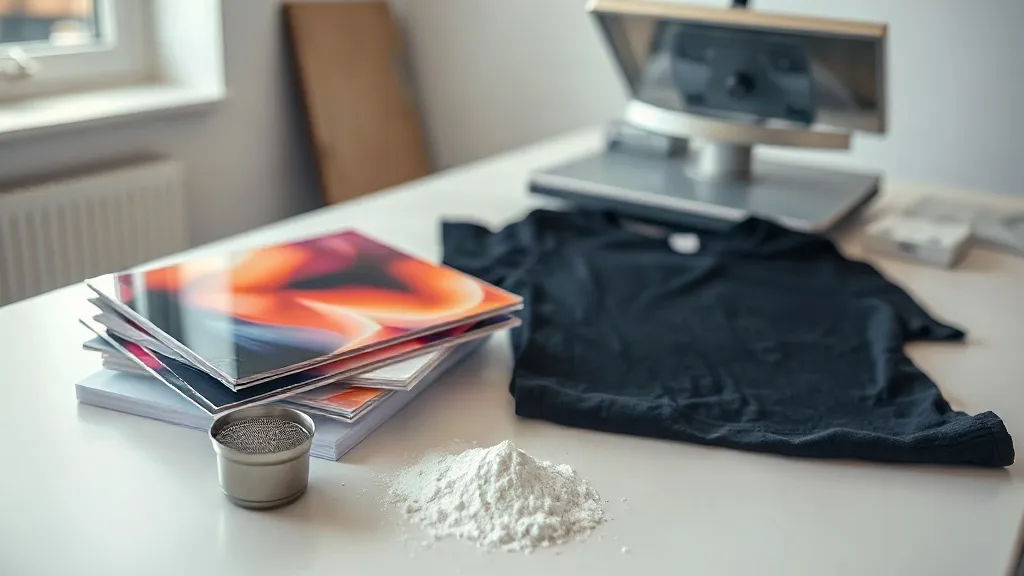
Most people meet dtf transfers by accident. They order a custom shirt, peel off the backing, and notice the print feels thinner than vinyl and softer than screen print. That small surprise is usually the start of a longer relationship with the method. Direct-to-film has moved from a niche workshop trick to a standard option for anyone printing small batches of apparel, totes, or promotional gear without buying a screen setup.
This guide is for the person who wants to order well and press well. Not a sales pitch, not a chemistry lecture. Just the details that decide whether a transfer survives fifty washes or starts cracking by the third.
What a DTF Transfer Actually Is
A dtf transfer begins as a digital print. A printer lays water-based pigment ink onto a special film, then dusts the wet ink with a thermoplastic adhesive powder. Heat melts that powder into the ink, and the result is a flexible printed layer sitting on a carrier sheet. When you press it onto fabric, the adhesive bonds the ink to the fibers while the film peels away.
The important part is what this structure allows. Because the design is printed flat and then transferred, you can produce photographic gradients, fine linework, and multi-color artwork in a single pass. There is no color separation, no per-color setup cost, and no minimum order that forces you to buy two hundred shirts to get a fair price on twelve.
Why It Fits Small Runs So Well
Screen printing rewards volume. The setup time per color is fixed, so the cost per piece drops sharply as quantity rises. DTF flips that equation. The setup is a file and a print, which means a run of one is economically sensible and a run of thirty is not much worse. For a maker testing a design, a team ordering staff shirts, or a family reunion with six different sizes, that flexibility is the whole point.
Reading a Transfer Before You Press It
Quality differences between suppliers show up long before the heat press. A few checks will tell you most of what you need to know.
- Ink density. Hold the sheet up to light. Thin, washed-out areas mean less pigment, and less pigment means the print will look faded faster on dark garments.
- Powder coverage. The adhesive should look even, with no bald patches or clumps. Uneven powder is the most common cause of edges lifting after washing.
- Edge sharpness. Fine text and small details should stay crisp. If letters bleed into each other on the sheet, they will bleed on the shirt.
- Film stiffness. A carrier that feels brittle tends to curl during pressing and makes alignment harder, especially on small logos.
If you are sourcing locally and searching for dtf transfers near me, ask the shop what film and powder they use and whether they will send a sample. A single test transfer costs almost nothing and answers more than a spec sheet.
The Press Settings That Decide Longevity
Most failures blamed on the transfer are actually pressing mistakes. The variables are few, but each one matters.
Temperature
Cotton and cotton blends generally press well in the 150 to 160 degree Celsius range. Too cool and the adhesive never fully activates, so the print sits on top of the fabric instead of bonding into it. Too hot and you risk scorching synthetics or melting the carrier film onto your press plate.
Pressure
Medium, even pressure is the target. Light pressure leaves air pockets and weak adhesion. Heavy pressure can push the ink into the weave so aggressively that the design distorts, and on structured fabrics like canvas it can flatten the texture around the print.
Time and Peel
Follow the supplier's recommended dwell time, usually somewhere between ten and twenty seconds. Then pay attention to peel temperature. Some films want a hot peel, others need to cool completely. Peeling at the wrong moment is a reliable way to get stretched or torn edges.
The Second Press
Do not skip it. A short second press with a cover sheet, often called a matte or teflon sheet, smooths the surface and pushes the adhesive fully into the fibers. It takes five extra seconds and noticeably improves wash resistance.
Fabric Matters More Than People Expect
DTF adheres best to cotton and cotton-poly blends. On 100 percent polyester, especially performance fabrics with a slick finish, adhesion can be inconsistent, and the print may feel stiffer relative to the garment. Nylon, treated water-repellent textiles, and heavily textured surfaces all need testing before you commit to a full run.
There is also a color consideration. Because the transfer carries its own white ink layer, it works on dark garments without a separate underbase. That is a genuine advantage over many alternatives, but it also means the white layer adds a bit of body to the print. On very lightweight summer fabrics, a large solid design can feel heavier than you might want.
Washing and Wear: Setting Realistic Expectations
A properly pressed transfer on suitable fabric holds up well. Turn the garment inside out, wash cold, and skip the dryer's high heat when you can. Avoid fabric softener on printed areas, since it coats the fibers and can weaken the bond over time.
What you should not expect is permanence. Any printed decoration on fabric wears gradually. The realistic goal is a print that stays vivid and intact through dozens of normal wash cycles, and that goal is achievable when the transfer is good and the press is right.
Where DTF Fits in a Broader Workflow
Many small shops keep DTF alongside other methods rather than replacing them. Large single-color runs still belong on screen printing. Embroidery wins for logos on structured garments. DTF covers the gap: complex artwork, small quantities, quick turnarounds, and designs that would need four screens and a lot of setup time otherwise.
That positioning is why the method keeps spreading. It lowers the barrier for someone who has a design idea and no equipment, and it gives established shops a fast option for the jobs that never fit neatly into their usual process.
Frequently Asked Questions
How long do DTF transfers last on a shirt?
With correct pressing and inside-out cold washing, most quality transfers stay intact through many dozens of washes. Longevity depends more on fabric type and press settings than on the transfer alone.
Can I press DTF transfers at home without a professional heat press?
You can, with a quality home press that holds consistent temperature and pressure. Irons and handheld steamers do not apply even pressure and rarely produce a bond that survives washing.
Do DTF transfers work on dark and colored fabrics?
Yes. The transfer includes a white ink layer, so the design stays opaque on black, navy, and bright colors without any separate underbase step.
What is the difference between DTF and vinyl transfers?
Vinyl is cut from solid sheets, so it handles simple shapes and single colors well but struggles with gradients and fine detail. DTF is printed, which allows full-color artwork and photographic images in one pass.
How should I store unused transfers?
Keep them flat, dry, and away from direct heat and sunlight. Stored properly, they remain usable for months, though it is worth testing one before committing a large batch to a deadline.