
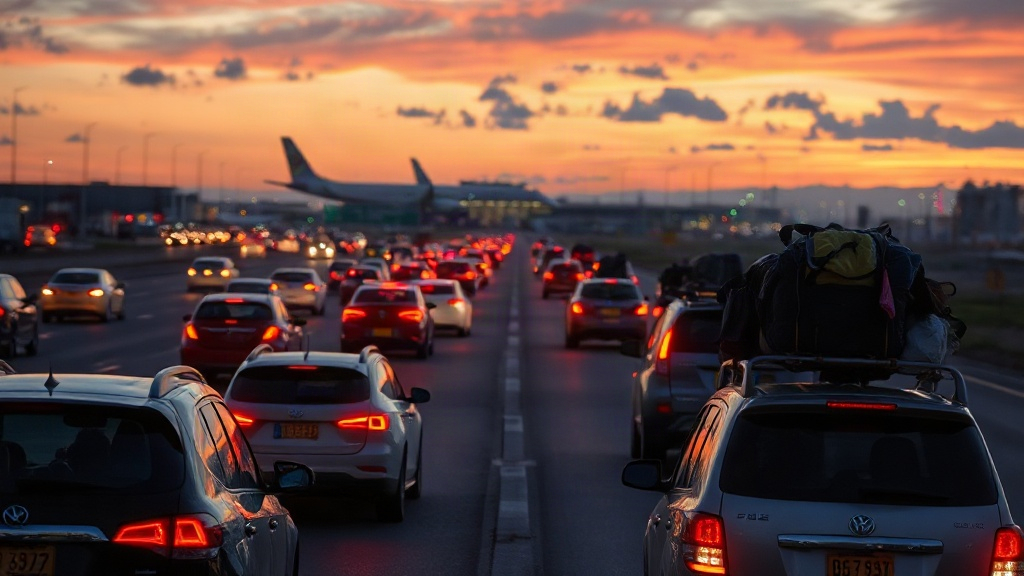
As the long Labor Day weekend draws to a close, millions of Americans are packing up beach chairs, coolers, and carry-ons for the journey home. The post-Labor Day travel rush is now in full swing, with highways clogging and airport terminals buzzing. Whether you're driving back from a lakeside cabin or catching a flight after a city break, the return trip can feel like the most chaotic part of the holiday. But with a little planning and real-time awareness, you can dodge the worst of the gridlock and maybe even enjoy the ride.
This year's Labor Day travel season has been one of the busiest on record. AAA projected earlier in the week that domestic travel would jump by nearly 9% compared to last year, with more than 50 million people expected to hit the road or take to the skies. Now that the weekend is over, the focus shifts to the mass exodus back to work and school. The result is a predictable but still stressful surge in traffic volumes and passenger counts across the country.
Why the Post-Labor Day Rush Feels So Intense
Labor Day is often called the unofficial end of summer, and for many families it's the last chance to squeeze in a vacation before the school year ramps up. Unlike Memorial Day or the Fourth of July, Labor Day travel tends to be more spread out over the weekend, but the return trip is heavily concentrated on Monday afternoon and evening. This creates a bottleneck effect: everyone wants to get home in time for dinner, unpack, and prepare for Tuesday morning.
Add to that the fact that many colleges and universities start their fall semesters right after Labor Day, so you have a huge wave of students moving into dorms or returning to campus. That adds another layer of traffic on major interstates and at regional airports. The travel surge after Labor Day is not just about vacationers; it's a perfect storm of leisure travelers, students, and business commuters all vying for the same lanes and gates.
What's Happening on the Roads
If you're driving home today, you've probably already noticed that the interstates are packed. The worst congestion is typically seen between 11 a.m. and 8 p.m., with peak slowdowns in the late afternoon. Major corridors like I-95 on the East Coast, I-75 in the Southeast, and I-5 on the West Coast are seeing heavy traffic in both directions. But it's not just the big highways; secondary roads near popular vacation spots, like the Jersey Shore, the Outer Banks, and the Colorado Rockies, are also choked with cars.
One thing that makes the post-Labor Day drive particularly tricky is the weather. Summer thunderstorms can pop up quickly, reducing visibility and causing sudden slowdowns. In the Plains and Midwest, severe weather has been a factor all weekend, and some of that could linger into Monday. Drivers should check local forecasts before heading out and be prepared for slick roads and reduced speeds.
If you haven't left yet, consider waiting until after 8 p.m. to start your trip. The late evening hours often see a significant drop in traffic volume, and you'll have a much smoother ride. If you must leave earlier, try to avoid the peak afternoon window and take breaks to stay alert. Pack extra water, snacks, and patience; you'll likely need all three.
Air Travel: Crowded Terminals and Possible Delays
Airports are also feeling the crush. The Transportation Security Administration (TSA) screened a record number of passengers over the Labor Day weekend, and today's numbers are expected to remain high. If you're flying home, expect long lines at check-in counters, security checkpoints, and baggage claim. Some airports are reporting wait times of over an hour for standard screening, so arriving early is key.
Flight delays and cancellations are always a risk during peak travel periods, and this year is no exception. Thunderstorms in the Southeast and Midwest have already caused some disruptions, and that could ripple across the system. Airlines are working to rebook passengers quickly, but with flights running at near capacity, there isn't much slack. If your flight is delayed, stay close to the gate and monitor your airline's app for updates. Sometimes a gate change or a new departure time can happen with little notice.
One piece of good news: airlines have added more flights this year, particularly on popular leisure routes, so there are more options for rebooking if things go wrong. Still, the best strategy is to build in extra time. Arrive at the airport at least two hours early for domestic flights and three hours for international ones. And if you're checking a bag, make sure it has a tag with your contact information, both outside and inside, in case it gets lost in the shuffle.
How to Make the Return Trip Less Stressful
Nobody wants to end a great weekend with a travel nightmare. Here are a few practical tips to help you get home with your sanity intact:
- Leave early or late: If you have flexibility, travel in the early morning or late evening to avoid the worst traffic and airport crowds.
- Use real-time navigation: Apps like Google Maps or Waze can alert you to accidents, construction, and slowdowns, and suggest alternate routes.
- Check your flight status before leaving: Don't get to the airport only to find out your flight is delayed or cancelled. Check the airline's app or website before you head out.
- Pack light: If you can manage with just a carry-on, you'll skip the baggage check line and avoid the risk of lost luggage.
- Stay hydrated and fed: Bring water and snacks, especially if you're driving. Long lines at airport restaurants can add to the stress.
- Be patient and kind: Everyone is tired and eager to get home. A little courtesy goes a long way, whether you're dealing with a gate agent or a fellow driver.
The Bigger Picture: Travel Trends and What's Next
This year's Labor Day travel rush is part of a broader trend. Despite economic concerns and higher prices, Americans have continued to prioritize travel. The demand for experiences, from beach getaways to national park visits, has remained strong. That has put pressure on infrastructure, from aging highways to crowded terminals, and it's a reminder that the travel system is still catching up to post-pandemic demand.
Looking ahead, the next big travel crunch will likely come around Thanksgiving and the winter holidays. If this weekend is any indication, it's wise to book early and plan for delays. But for now, the focus is on getting home safely and smoothly. The post-Labor Day return rush may be a headache, but it's also a sign that life is back in motion, with families reuniting, students starting new chapters, and workers heading back to the daily grind.
So, if you're stuck in traffic or waiting at a gate, take a deep breath. You're part of a huge wave of travelers, and with a little luck and a lot of patience, you'll be home before you know it. Safe travels.
Frequently Asked Questions About the Post-Labor Day Travel Rush
What is the best time to drive home after Labor Day?
The best time to drive is typically before 7 a.m. or after 8 p.m. on Monday. Traffic peaks between 11 a.m. and 8 p.m., so if you can avoid those hours, you'll face much less congestion. Late evening is often the sweet spot, as most families are already home by then.
Are flights more expensive on the day after Labor Day?
Yes, flights on the Tuesday after Labor Day can be pricey because many business travelers hit the road that day. However, Monday evening flights can also be expensive due to high demand from vacationers. If you have flexibility, consider flying on Wednesday or Thursday when fares tend to drop.
How early should I arrive at the airport during the Labor Day rush?
During peak periods like the day after Labor Day, it's wise to arrive at least two hours before a domestic flight and three hours before an international one. This gives you enough time to check bags, get through security, and handle any unexpected delays. Some airports recommend even earlier arrival if you're parking a car or returning a rental.
What are the busiest airports during the post-Labor Day rush?
Major hubs like Atlanta, Chicago O'Hare, Denver, Los Angeles, and New York's JFK see the highest passenger volumes during this time. Regional airports near popular vacation spots, such as Orlando, Las Vegas, and Myrtle Beach, also experience heavy outbound traffic as tourists head home.
Can I avoid traffic by taking back roads instead of interstates?
Sometimes, but not always. Back roads can be a good alternative if there's a major accident or construction on the interstate, but they can also be slower due to lower speed limits and traffic lights. Use a real-time navigation app to compare routes and see current delays before deciding. In many cases, staying on the interstate with steady traffic is still faster than a winding detour.