
Imagine pressing a vibrant, full-color design onto a cotton t-shirt in under 60 seconds, with no color limitations and no expensive setup. That's the promise of dtf printing, a technology that has quietly revolutionized the custom apparel industry over the past decade. Whether you're a small business owner, a hobbyist, or a professional printer, understanding dtf transfers can unlock new creative and commercial possibilities. In this guide, we'll dive deep into what DTF transfers are, how they work, and why they might be the perfect solution for your next project.
What Are DTF Transfers?
DTF stands for Direct to Film. It's a printing method where your design is printed onto a special film, coated with a powder adhesive, and then heat-pressed onto the fabric. Unlike DTG (Direct to Garment) or screen printing, DTF doesn't require the garment to be pre-treated, and it works on a wide range of materials, including cotton, polyester, blends, and even leather. The process involves a specialized printer that uses pigment-based inks to print the design onto a PET film. After printing, a fine thermoplastic powder is applied to the wet ink, which acts as a glue when heated. The film is then cured, and the design is ready to be transferred.
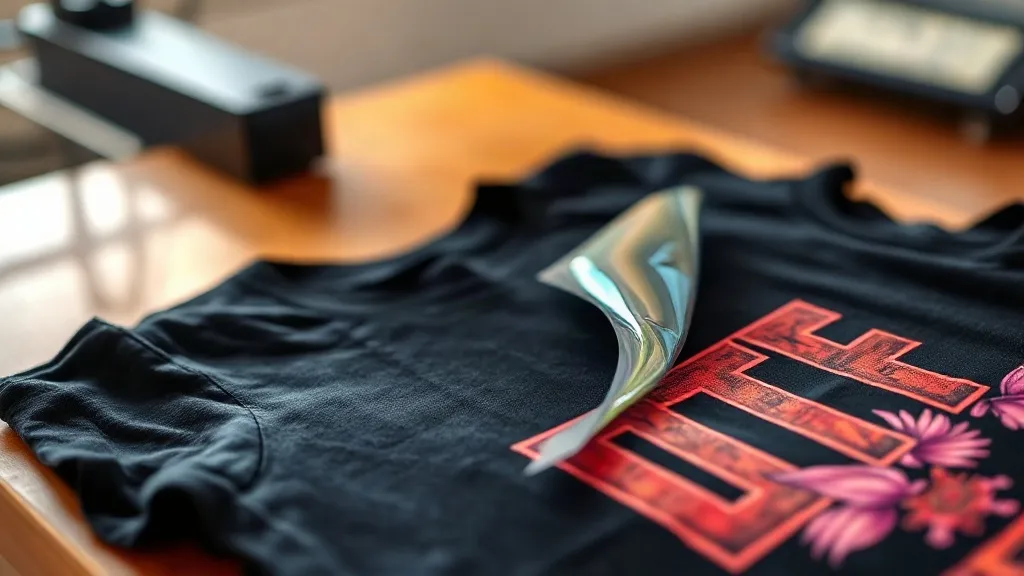
The magic happens during the heat press stage. The film is placed on the garment, and heat and pressure are applied. The powder melts, bonding the ink to the fabric. Once cooled, the film is peeled away, leaving a soft, stretchable, and durable print. This method has gained massive popularity because it combines the best of both worlds: the detail and color range of digital printing with the durability and washability of screen printing.
Why DTF Transfers Are a Game-Changer
The rise of DTF is no accident. It addresses many pain points that have plagued traditional printing methods for years. Here are some key reasons why DTF transfers are becoming the go-to choice for many professionals.
Unmatched Versatility
One of the biggest advantages of DTF is its ability to print on almost any fabric. Cotton, polyester, nylon, leather, and even treated wood can be decorated with DTF transfers. This opens up a world of possibilities for products like tote bags, caps, and jackets. Unlike DTG, which requires a pre-treatment solution for dark garments, DTF works on dark colors without any special preparation. This saves time and reduces chemical use.
Vibrant Colors and Fine Details
DTF printers use CMYK plus white ink, allowing for full-color designs with gradients, photographic images, and fine lines. The white ink layer acts as a base, making colors pop on dark fabrics. The result is a print that looks sharp and feels soft to the touch. Because the ink is embedded into the adhesive layer, it stretches with the fabric without cracking, making it ideal for stretchy materials like spandex and athletic wear.
Cost-Effective for Small Batches
Screen printing requires separate screens for each color, which is costly for small runs. DTF, on the other hand, has no setup costs per color. You can print one-off designs or small batches at an affordable price. This makes it perfect for personalized gifts, sample production, and small businesses testing new designs. Even for larger orders, DTF can be competitive, especially when you factor in the ability to gang multiple designs on a single film.
Durability and Washability
A common concern with any printed apparel is how it holds up after repeated washing. DTF transfers are known for their excellent washability. When applied correctly, they can withstand dozens of wash cycles without fading, cracking, or peeling. The key is proper application: temperature, pressure, and time must be calibrated to the fabric and film. Once dialed in, DTF prints can outlast many other decoration methods.
How to Apply DTF Transfers: Step by Step
Applying DTF transfers is straightforward, but attention to detail makes all the difference. Here's a step-by-step guide to ensure professional results.
Step 1: Prepare Your Workspace
Set up a heat press in a well-ventilated area. Ensure the press is level and the platen is clean. Preheat the press to the recommended temperature, usually between 300°F and 340°F (150°C to 170°C). The exact temperature depends on the film manufacturer and fabric type.
Step 2: Position the Transfer
Place the garment on the press platen, smoothing out any wrinkles. Position the DTF transfer with the printed side facing up (the design should be readable). If you're using a transfer with a white background, make sure it's aligned correctly.
Step 3: Press and Peel
Cover the transfer with a protective sheet (like parchment paper or a Teflon sheet) to prevent sticking. Apply medium to high pressure for 10-15 seconds. After pressing, remove the garment from the press and let it cool for a few seconds. Then, peel the film off in a smooth, consistent motion. For a matte finish, you can use a cold peel; for a glossy finish, a hot peel may be preferred. Always follow the film's instructions.
Step 4: Post-Press (Optional)
For added durability, you can apply a second press for 5-10 seconds with a cover sheet. This helps the adhesive fully bond with the fabric. Avoid over-pressing, as it can cause the print to flatten or scorch.
Common Mistakes to Avoid with DTF Transfers
Even seasoned printers can run into issues. Here are some pitfalls to watch out for.
- Incorrect temperature: Too low, and the adhesive won't melt; too high, and the film may warp or the ink may discolor.
- Insufficient pressure: Without enough pressure, the transfer won't adhere properly, leading to premature peeling.
- Peeling too soon or too late: Follow the film's peel recommendations. Peeling hot when it should be cold can stretch the design.
- Not pre-pressing the garment: Moisture in the fabric can cause adhesion issues. Always pre-press for 5-10 seconds to remove wrinkles and moisture.
- Using the wrong film: Not all DTF films are created equal. Choose a film that matches your printer and ink type.
DTF vs. Other Printing Methods
How does DTF stack up against DTG, screen printing, and vinyl? Let's compare.
DTF vs. DTG
DTG prints directly onto the garment, which means no film or adhesive. It's great for 100% cotton, but requires pre-treatment for dark shirts and can be less durable on synthetic fabrics. DTF works on more materials, doesn't need pre-treatment, and often produces more vibrant colors on dark garments. However, DTG can be faster for large orders of the same design on cotton.
DTF vs. Screen Printing
Screen printing is the gold standard for large runs of simple designs. It's cost-effective per unit at high volumes and offers a unique feel. But it's labor-intensive to set up and not practical for complex, multi-color designs or small batches. DTF excels in these areas, offering full-color prints with no setup costs.
DTF vs. Vinyl
Heat transfer vinyl (HTV) is cut from colored sheets, so it's limited to solid colors and simple shapes. DTF can print gradients, photographs, and fine details, making it far more versatile. HTV can be more durable for single-color text, but DTF is catching up in durability.
Choosing the Right DTF Supplies
To get started with DTF, you'll need a few key items: a DTF printer, DTF ink, PET film, and adhesive powder. When selecting supplies, consider the following.
- Printer: Look for a printer designed for DTF, with a white ink circulation system to prevent clogging.
- Ink: Use high-quality DTF ink that is compatible with your printer. Cheap ink can lead to clogs and poor color reproduction.
- Film: Choose a film thickness that suits your design. Thinner films (75-100 microns) are great for fine details, while thicker films (100-125 microns) are more durable.
- Powder: Thermoplastic powder comes in different particle sizes. Finer powder (80-200 microns) is ideal for detailed prints, while coarser powder (200-300 microns) is better for bold designs.
Frequently Asked Questions About DTF Transfers
How long do DTF transfers last?
With proper application and care, DTF transfers can last as long as the garment itself. They typically withstand 50+ washes without significant fading or cracking. To maximize longevity, wash the garment inside out in cold water and avoid harsh detergents or high heat drying.
Can I use DTF transfers on dark fabrics?
Absolutely. DTF transfers are particularly well-suited for dark fabrics because the white ink layer provides a bright base for the colors. The print remains vibrant and opaque, unlike some other methods that require a white underbase.
What fabrics work best with DTF?
DTF works on a wide range of fabrics, including cotton, polyester, cotton-poly blends, nylon, leather, and even some synthetic materials. It's especially popular for polyester and blends because it doesn't require the fabric to be 100% cotton, unlike DTG.
Do I need a special printer for DTF?
Yes, DTF requires a printer that uses DTF ink and is equipped with a white ink channel. Many converted Epson printers are popular for DTF, but there are also dedicated DTF printers on the market. You'll also need a heat press and a powder shaker or manual powder application method.
Is DTF printing cost-effective for small businesses?
Yes, DTF is very cost-effective for small businesses because it eliminates setup costs and allows for on-demand printing. You can print one shirt or a hundred with the same ease and consistent quality. This makes it ideal for startups, Etsy sellers, and local print shops.
Final Thoughts
DTF transfers have democratized custom apparel printing. They offer a level of versatility, quality, and affordability that was previously hard to achieve. Whether you're looking to expand your product line or just make custom shirts for your team, DTF is a technology worth exploring. With the right supplies and a bit of practice, you'll be producing professional-grade prints in no time. Remember, the key to success is experimentation and attention to detail. So, fire up that heat press and let your creativity run wild.