
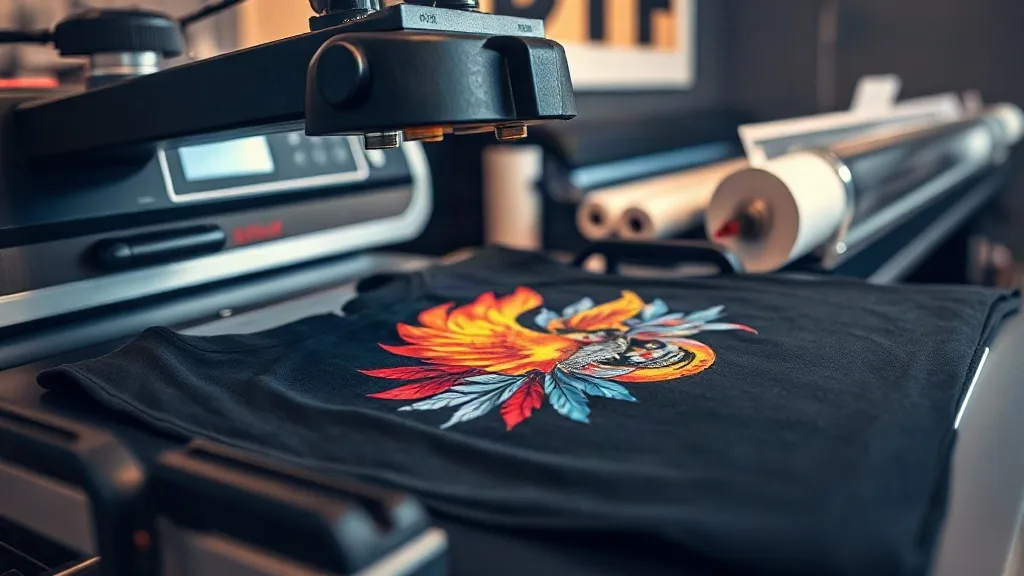
When it comes to custom apparel, the method you choose can make or break your designs. Enter dtf transfers, a game-changing technology that’s quickly becoming the go-to for creators, small businesses, and hobbyists alike. Unlike traditional screen printing or vinyl, DTF (Direct to Film) printing offers unparalleled versatility, vibrant colors, and durability that withstands the test of time. Whether you’re printing on cotton, polyester, or blends, DTF transfers deliver professional-grade results without the steep learning curve. In this guide, we’ll dive deep into what DTF transfers are, how they work, and why they might just be the missing piece in your customization toolkit.
What Are DTF Transfers?
DTF transfers are a relatively new printing method that involves transferring a design onto a special film, then heat-pressing it onto fabric. The process starts with printing your design onto a PET film using specialized DTF inks and a powder adhesive. Once printed, the film is cured, and the design is ready to be transferred onto garments using a heat press. The result? A soft, stretchable, and incredibly durable print that bonds seamlessly with the fabric.
What sets DTF apart is its ability to work on virtually any fabric, including dark and light materials, without the need for pre-treatment. This opens up a world of possibilities for customization, from t-shirts and hoodies to tote bags and even leather goods. If you’re new to the world of dtf transfers, think of them as a bridge between digital printing and traditional heat transfer methods, combining the best of both worlds.
How DTF Transfers Work: A Step-by-Step Breakdown
Understanding the DTF process can help you appreciate its brilliance and troubleshoot any issues. Here’s a simplified breakdown of the steps involved:
- Design Preparation: Create your artwork using graphic design software. Remember to mirror the image before printing, as the transfer will be flipped during application.
- Printing: Your design is printed onto a special DTF film using a DTF printer equipped with pigment-based inks. The printer lays down a layer of white ink first (for opacity) followed by the color layers.
- Powdering: While the ink is still wet, a hot-melt adhesive powder is applied evenly over the print. Excess powder is shaken off.
- Curing: The film is then cured using a heat source (like a heat press or oven) to melt the powder and set the ink. This creates a durable, flexible transfer.
- Transferring: Once cured, the film can be stored or immediately used. To apply, place the transfer on your fabric and press with a heat press at the recommended temperature and pressure.
- Peeling: After pressing, allow the transfer to cool (or peel hot, depending on the film type) and remove the film. Your design is now permanently bonded to the fabric.
Each step is crucial, but with practice, the process becomes second nature. The beauty of DTF is that it eliminates many of the complexities of other printing methods, such as weeding vinyl or mixing screen printing inks.
Why Choose DTF Transfers Over Other Printing Methods?
With so many printing options available, you might wonder why DTF stands out. Here are some compelling reasons:
- Versatility: DTF works on almost any fabric, including cotton, polyester, nylon, and blends. It’s also suitable for dark and light colors without needing separate processes.
- Durability: DTF prints are known for their longevity. They resist cracking, peeling, and fading even after multiple washes.
- Vibrant Colors: The use of pigment inks and a white base layer allows for bright, opaque colors that pop on any background.
- No Weeding: Unlike vinyl, DTF transfers don’t require tedious weeding, saving you time and reducing waste.
- Cost-Effective for Short Runs: DTF is ideal for small batches and one-off designs, as there are no setup costs like with screen printing.
- Soft Feel: The prints are thin and flexible, giving a soft hand feel that doesn’t stiffen the fabric.
For businesses, this means faster turnaround times and the ability to offer more personalized products. For hobbyists, it means professional results without a huge investment in equipment.
Applications of DTF Transfers: Beyond T-Shirts
While t-shirts are the most common canvas for DTF transfers, the technology shines in many other applications. Here are some creative ways to use DTF:
- Hoodies and Sweatshirts: Add bold graphics to winter wear without compromising comfort.
- Tote Bags: Create custom shopping bags that are both stylish and durable.
- Denim Jackets: Personalize denim with intricate designs that won’t crack or fade.
- Sports Jerseys: Print team names and numbers that withstand intense activity and washing.
- Promotional Items: Brand company swag like caps, aprons, and even face masks.
- Home Decor: Transfer designs onto pillowcases, curtains, and upholstery for a custom touch.
The possibilities are limited only by your imagination. DTF transfers have even been used on leather and other materials that are tricky for other printing methods.
Getting Started with DTF Transfers: Essential Tips
If you’re ready to dive into DTF printing, here are some practical tips to ensure success:
1. Choose the Right Equipment
Invest in a good DTF printer and heat press. While you can outsource printing, having your own setup gives you control and faster turnaround. Look for printers that use high-quality pigment inks and have a reliable white ink circulation system.
2. Master the Heat Press Settings
Temperature, pressure, and time are critical. Typically, you’ll press at 160°C (320°F) for 10-15 seconds with medium pressure. However, always follow the film manufacturer’s recommendations, as different films may require adjustments.
3. Use Quality Materials
Not all DTF films and powders are created equal. Cheaper alternatives may lead to poor adhesion, dull colors, or premature fading. Stick with reputable suppliers to ensure consistent results.
4. Prepare Your Artwork Properly
Ensure your designs are high-resolution (300 DPI) and in CMYK color mode. Remember to mirror the image before printing. Also, consider the fabric color: if printing on dark garments, your design should have a white underbase for opacity.
5. Store Transfers Correctly
If you’re not using transfers immediately, store them in a cool, dry place away from direct sunlight. Proper storage prevents the powder from absorbing moisture, which can affect adhesion.
Common Mistakes to Avoid with DTF Transfers
Even seasoned pros can run into issues. Here are some pitfalls to watch out for:
- Insufficient Pressure: Uneven pressure can cause the transfer to not adhere properly, leading to peeling.
- Over-Pressing: Too much heat or time can scorch the fabric or cause the transfer to become brittle.
- Ignoring Fabric Type: Some fabrics, like those with high spandex content, may require lower temperatures to avoid melting.
- Poor Ink Coverage: If your printer isn’t calibrated, you might get streaks or faded areas.
- Skipping the Powder Step: The adhesive powder is what makes the transfer bond to the fabric. Never skip it!
By being mindful of these common errors, you can achieve flawless results every time.
DTF vs. Other Printing Methods: A Quick Comparison
To help you decide if DTF is right for your project, here’s how it stacks up against other popular methods:
- DTF vs. Screen Printing: Screen printing is cost-effective for large orders but requires setup and is limited to certain fabrics. DTF is better for small batches and complex designs.
- DTF vs. DTG (Direct to Garment): DTG works best on 100% cotton and requires pretreatment. DTF works on almost any fabric without pretreatment.
- DTF vs. Vinyl: Vinyl is great for simple designs but can be time-consuming to weed and limited in color. DTF offers full-color, detailed prints with no weeding.
- DTF vs. Sublimation: Sublimation only works on light-colored polyester and requires special coatings. DTF works on dark colors and natural fabrics.
Each method has its place, but DTF’s versatility makes it a strong contender for a wide range of applications.
Frequently Asked Questions About DTF Transfers
How long do DTF transfers last?
With proper application and care, DTF transfers can last as long as the garment itself. They are resistant to cracking, peeling, and fading, even after 50+ washes. To maximize longevity, wash inside out in cold water and avoid harsh detergents.
Can I use DTF transfers on 100% polyester?
Yes, DTF transfers work beautifully on polyester. However, because polyester is heat-sensitive, you should use a lower temperature (around 140°C/285°F) to prevent scorching or dye migration.
Do I need a special printer for DTF?
You can convert a standard inkjet printer to use DTF inks, but for best results, invest in a dedicated DTF printer. These printers are designed to handle the white ink and powder system efficiently.
What is the shelf life of DTF transfers?
When stored properly in a cool, dry place, DTF transfers can last up to 6 months. After that, the adhesive powder may lose its effectiveness. It’s best to use them within a few weeks for optimal results.
Can I stretch DTF prints?
Yes, DTF prints are flexible and can stretch with the fabric without cracking. This makes them ideal for athletic wear and garments that require movement.
Final Thoughts: Embrace the DTF Revolution
DTF transfers are more than just a trend; they’re a versatile, durable, and cost-effective solution for custom apparel. Whether you’re a small business owner looking to expand your product line or a DIY enthusiast wanting to create personalized gifts, DTF opens up a world of possibilities. With the right knowledge and tools, you can achieve professional-quality prints that impress. So why not give DTF a try? Your creativity knows no bounds, and DTF is here to help you bring your ideas to life.