
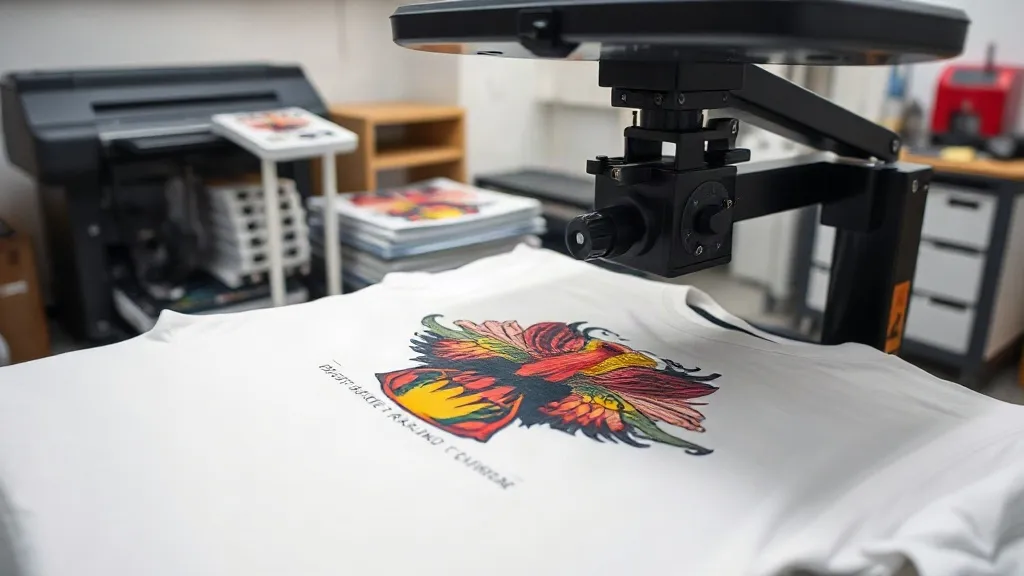
If you've been exploring custom apparel printing, you've likely come across dtf transfers as a game-changing method. Unlike traditional screen printing or vinyl, DTF (Direct to Film) offers a flexible, cost-effective way to produce vibrant, detailed designs on a wide range of fabrics. Whether you're a hobbyist, a small business owner, or just curious about the latest printing trends, understanding DTF transfers can open up new possibilities for your creative projects.
What Are DTF Transfers?
DTF transfers are a relatively new printing technology that involves printing your design onto a special film, then transferring it to fabric using heat and pressure. The process starts with a digital printer that lays down a layer of white ink, followed by colored inks, and finally a powdered adhesive. Once printed, the film is cured and can be stored until you're ready to apply it. When you're ready, you simply place the film on your garment and press it with a heat press. The adhesive melts, bonding the ink to the fabric. The result is a soft, durable print that can stretch and move with the fabric without cracking or fading.
Why Choose DTF Transfers?
There are several reasons why DTF has become a favorite among printers and designers. First, it works on almost any fabric, including cotton, polyester, blends, and even nylon. This versatility means you don't need to stock different types of vinyl or worry about whether your design will adhere properly. Second, DTF transfers allow for full-color, high-detail prints without the setup costs associated with screen printing. You can print a single shirt or a hundred with the same ease, making it ideal for small businesses or on-demand production. Third, the prints are incredibly durable. They withstand repeated washing without cracking or peeling, and they maintain their vibrancy over time. Finally, DTF is a cost-effective solution. The materials are relatively inexpensive, and the process is efficient, reducing waste and overhead.
Common Applications
DTF transfers are used for a wide range of products. T-shirts are the most obvious, but you can also apply them to hoodies, tote bags, caps, and even denim jackets. Because the prints are soft and flexible, they're comfortable to wear and don't feel heavy or stiff. This makes DTF a great choice for personalized gifts, team uniforms, promotional merchandise, and fashion apparel.
How to Apply DTF Transfers
Applying DTF transfers is straightforward, but it does require a heat press. Here's a step-by-step guide to ensure a successful application:
- Preheat your garment: This removes moisture and wrinkles, ensuring the transfer adheres properly. Set your heat press to the recommended temperature (usually around 300°F to 325°F).
- Position the transfer: Place the DTF film on the garment with the printed side facing up. Make sure it's exactly where you want it.
- Press: Cover the transfer with a protective sheet (like parchment paper or a Teflon sheet) and press for 10-15 seconds with medium pressure.
- Peel: Wait a few seconds for the film to cool slightly, then peel it off in a smooth, consistent motion. If you peel too soon, the design might smudge; if you wait too long, it might be difficult to remove.
- Post-press: For added durability, you can press the garment again for a few seconds without the film.
It's important to follow the specific instructions provided with your transfers, as different films and adhesives may have slightly different requirements.
Finding Quality DTF Transfers
When sourcing DTF transfers, quality matters. Poorly made transfers can result in faded colors, cracking, or incomplete transfers. Look for suppliers who use high-quality inks and films, and who provide clear instructions and support. If you're searching for dtf transfers near me, you might find local print shops that offer the service, or you can order online from reputable suppliers. Online ordering gives you access to a wider range of designs and customization options, and many suppliers offer fast shipping. Always check reviews and ask for samples if possible to ensure the transfers meet your standards.
DIY vs. Professional DTF Printing
You can choose to create your own DTF transfers if you have the right equipment: a DTF printer, curing oven, and heat press. However, the initial investment can be significant, and there's a learning curve to master the process. For many, especially those just starting out, purchasing pre-made transfers or using a print-on-demand service is more practical. Professional DTF printing services handle the technical details, allowing you to focus on design and marketing. As your business grows, you can decide whether to bring the process in-house.
DTF vs. Other Printing Methods
Compared to screen printing, DTF is more cost-effective for small batches and offers full-color capabilities without the need for color separations. It also eliminates the need for screens and setup fees. Compared to heat transfer vinyl (HTV), DTF allows for more intricate designs and gradients because it doesn't require weeding. HTV is limited to solid colors and simple shapes, while DTF can reproduce photographs and complex artwork with ease. DTF also outperforms direct-to-garment (DTG) printing on dark fabrics, as DTG often requires a pretreat and can produce less vibrant colors on dark backgrounds. DTF's white ink layer ensures bright, opaque prints on any color fabric.
Environmental Considerations
DTF printing is relatively eco-friendly compared to some other methods. The process uses water-based inks, which are less harmful than solvent-based inks. The films are thin and can be recycled in some areas, and the powder adhesive is applied precisely, minimizing waste. However, it's always a good idea to dispose of waste responsibly and check local recycling guidelines.
Tips for Best Results
- Store transfers properly: Keep unused DTF transfers in a cool, dry place away from direct sunlight to prevent the adhesive from curing prematurely.
- Test on scrap fabric: Before applying to a final garment, do a test press on a similar fabric to dial in your temperature, pressure, and timing.
- Use a quality heat press: A reliable heat press with consistent temperature and pressure is crucial for professional results.
- Wash inside out: To prolong the life of your DTF prints, wash garments inside out in cold water and tumble dry on low.
Frequently Asked Questions
How long do DTF transfers last?
With proper application and care, DTF transfers can last as long as the garment itself. They are resistant to cracking, peeling, and fading, even after many washes.
Can I use DTF transfers on dark fabrics?
Absolutely. DTF transfers include a white ink base layer that makes colors pop on dark fabrics, unlike some other methods that require a white underbase.
Do I need a special printer to make DTF transfers?
Yes, DTF printing requires a dedicated DTF printer that uses DTF inks and film. However, you can purchase pre-made transfers from suppliers if you don't want to invest in the equipment.
What is the difference between DTF and DTG?
DTF transfers are printed on film and then applied to fabric, while DTG (Direct to Garment) prints directly onto the fabric. DTF is more versatile with fabrics and often produces more vibrant results on dark colors.
Can I stretch DTF prints?
Yes, DTF prints are flexible and will stretch with the fabric without cracking, making them ideal for athletic wear and stretchy materials.
Whether you're creating custom merchandise for your brand or personalizing gifts, dtf transfers offer a reliable, high-quality solution. With the right techniques and a bit of practice, you'll be able to produce professional-looking prints that impress.