
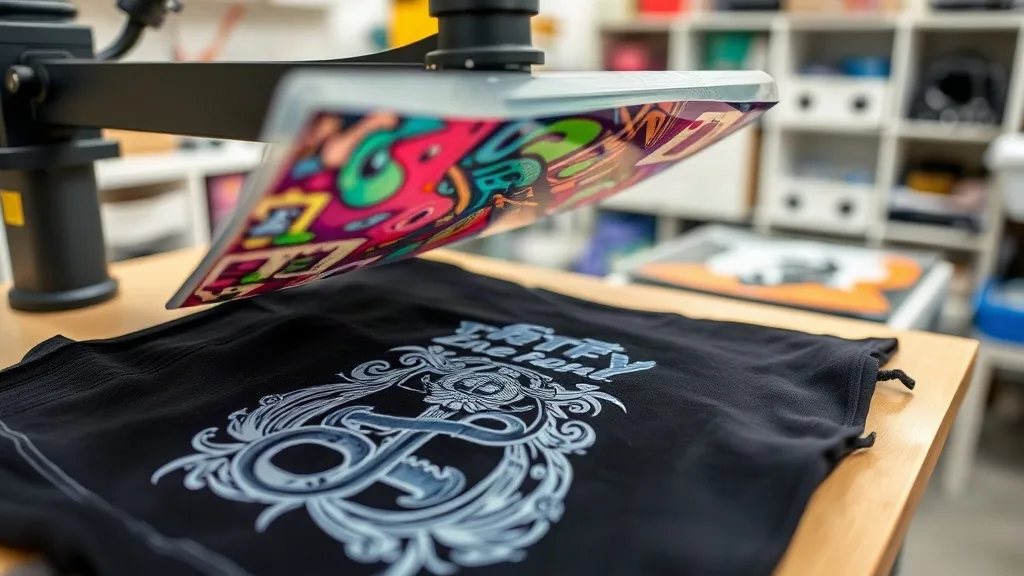
Custom apparel printing has evolved dramatically over the past decade, and one technology that has captured the attention of both hobbyists and professionals is dtf printing. If you're looking for a method that delivers vibrant colors, intricate details, and works on almost any fabric, DTF transfers might be exactly what you need. In this guide, we'll explore what DTF transfers are, how they work, and why they're becoming a go-to choice for creating custom t-shirts, hoodies, and more.
What Are DTF Transfers?
DTF stands for Direct to Film. It's a printing technique where your design is printed onto a special PET film using water-based pigments, then coated with a hot-melt adhesive powder. Once the powder is cured, the transfer is ready to be applied to fabric using a heat press. Unlike DTG (Direct to Garment) printing, which prints directly onto the garment, DTF transfers allow you to print the design first and apply it later, giving you more flexibility and control over the process.
How DTF Transfers Work: Step by Step
Understanding the DTF process helps you appreciate its benefits and troubleshoot issues. Here's a breakdown of the key steps:
- Design Preparation: Your artwork is prepared digitally, usually with a white underbase layer to ensure opacity on dark fabrics.
- Printing: The design is printed onto a PET film using a DTF printer with CMYK and white inks.
- Powdering: While the ink is still wet, a hot-melt adhesive powder is applied evenly over the print.
- Curing: The film passes through a curing oven or heat press to melt the powder, creating a dry, tacky surface.
- Transfer: The film is placed on the fabric and pressed with a heat press at specific temperature and pressure.
- Peeling: After pressing, the film is peeled away (hot or cold peel depending on the film type), leaving the design bonded to the fabric.
Why Choose DTF Transfers Over Other Printing Methods?
DTF transfers offer several advantages that make them stand out:
- Versatility: They work on a wide range of fabrics, including cotton, polyester, blends, and even leather. This is a significant advantage over DTG, which primarily works on cotton.
- Vibrant Colors: DTF printers use vivid inks that produce bright, eye-catching designs. The white underbase ensures colors pop on dark garments.
- Fine Details: DTF can reproduce intricate details, gradients, and photographic images with high fidelity.
- Durability: When applied correctly, DTF transfers are durable and can withstand repeated washing without cracking or fading.
- Cost-Effective for Small Runs: Unlike screen printing, which requires setup costs per color, DTF is economical for small batches and one-off designs.
DTF Transfers vs. Other Printing Methods
To help you decide if DTF is right for your project, let's compare it to other common methods:
DTF vs. DTG
DTG prints directly onto the garment, which limits it mostly to cotton. DTF can be used on more fabrics and often produces more vibrant colors on dark shirts. However, DTG can be more cost-effective for large runs on light-colored cotton.
DTF vs. Screen Printing
Screen printing is ideal for large orders with simple designs because the cost per unit drops significantly. DTF shines for complex, multi-color designs and small batches, as there are no screens to set up.
DTF vs. Vinyl
Heat transfer vinyl (HTV) is great for simple text and shapes but struggles with fine details and gradients. DTF handles full-color images with ease and doesn't require weeding.
Applications of DTF Transfers
DTF transfers are used in a variety of settings:
- Custom T-Shirts: Create personalized tees for events, teams, or gifts.
- Hoodies and Sweatshirts: Add logos or designs to warm outerwear.
- Sportswear: Print numbers, names, and team logos on jerseys.
- Tote Bags: Personalize canvas bags for shopping or promotions.
- Home Decor: Apply designs to pillowcases, aprons, and more.
Tips for Successful DTF Transfers
To get the best results with DTF transfers, keep these tips in mind:
- Choose the Right Film: There are hot peel and cold peel films. Hot peel is more common and allows faster production, but cold peel can be more forgiving.
- Control Moisture: Fabrics should be dry before pressing. Pre-press the garment to remove moisture and wrinkles.
- Optimize Press Settings: Follow the film manufacturer's recommendations for temperature, pressure, and time. Typical settings are around 300-325°F for 10-15 seconds with medium pressure.
- Use a Teflon Sheet: Place a Teflon sheet or parchment paper over the transfer to protect it from direct heat.
- Test First: Always do a test press on a scrap piece of fabric to dial in your settings.
Common Mistakes to Avoid
Even experienced printers can run into issues. Here are some pitfalls to watch out for:
- Insufficient Pressure: Not enough pressure can cause poor adhesion and premature peeling.
- Too Much Heat: Excessive heat can scorch the fabric or cause the adhesive to over-melt, leading to a messy transfer.
- Peeling Too Early or Too Late: Follow the film's instructions for peel timing. Peeling too soon can smudge the design; waiting too long can make it difficult to remove.
- Ignoring Fabric Type: Some fabrics, like nylon, may require special low-temperature films or additional prep.
Frequently Asked Questions About DTF Transfers
How long do DTF transfers last?
With proper application and care, DTF transfers can last as long as the garment itself. They are resistant to cracking and fading, but always wash inside out in cold water and avoid ironing directly on the print.
Can I use DTF transfers on dark colors?
Absolutely. DTF transfers include a white underbase, so they show up brilliantly on dark fabrics. This is one of their biggest advantages over DTG.
Do I need a special printer for DTF?
Yes, you need a DTF printer that uses DTF inks and can handle the film. However, you can also buy pre-printed DTF transfers from suppliers if you don't want to invest in a printer.
What fabrics work best with DTF?
DTF works on almost any fabric, including cotton, polyester, blends, leather, and more. It's especially good for poly-cotton blends where DTG struggles.
Is DTF transfers cost-effective for small businesses?
Yes, DTF is very cost-effective for small runs because there are no setup fees. You can print one-off designs without breaking the bank.
Conclusion
DTF transfers have opened up new possibilities for custom apparel printing. Whether you're a hobbyist or a business owner, this technology offers versatility, vibrant colors, and durability that are hard to beat. By understanding the process and following best practices, you can achieve professional-looking results on a wide range of garments. So why not give DTF transfers a try for your next project? With a little practice, you'll be creating stunning custom apparel in no time.