
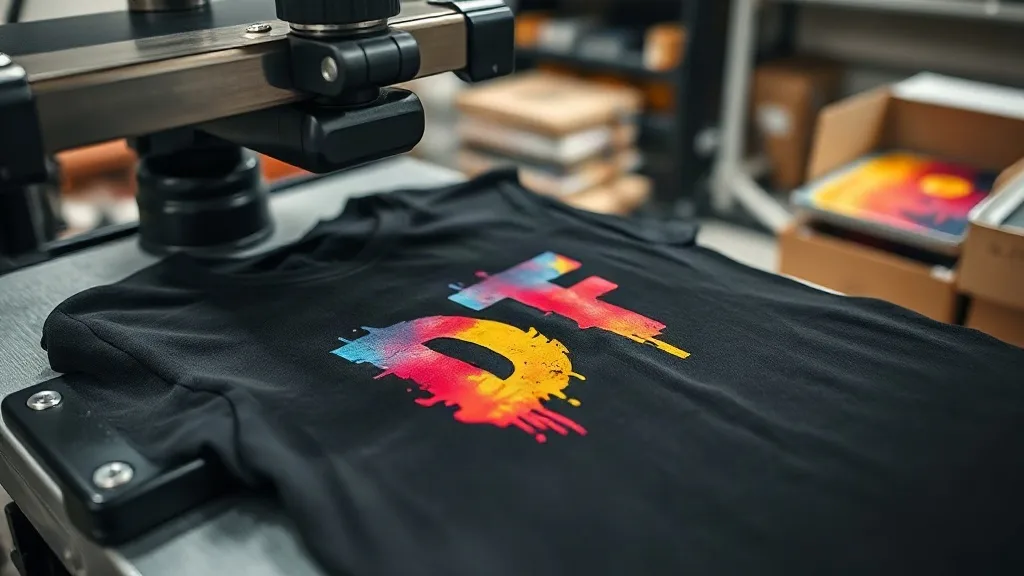
Imagine pressing a design onto a T-shirt and watching it come to life with colors so vivid they seem to glow, details so fine they rival a photograph, and a feel so soft it's like the fabric itself. That's the magic of dtf printing, a digital transfer technique that's quickly becoming the go-to for custom apparel enthusiasts and professionals. Unlike traditional methods that limit your creativity, DTF opens a world where any design can be transferred onto almost any fabric with stunning results.
What Are DTF Transfers?
DTF stands for Direct to Film. It's a printing process where your design is printed onto a special film, coated with a powdered adhesive, and then heat-pressed onto the fabric. The result is a vibrant, durable print that bonds seamlessly with the material. What sets dtf transfers apart is their versatility: they work on cotton, polyester, blends, and even tough fabrics like canvas and denim. Whether you're a hobbyist crafting personalized gifts or a business producing custom merch, DTF offers a level of detail and color that other methods struggle to match.
Why DTF Transfers Are Gaining Popularity
The rise of DTF isn't just hype. It solves several pain points that have plagued apparel decorators for years. For starters, no weeding is required. Unlike vinyl cutting, where you spend hours picking out tiny bits of film, DTF transfers come ready to press. That saves time and reduces waste. Also, DTF doesn't require pre-treatment of the fabric, which simplifies the workflow. And because the prints are so durable, they withstand repeated washing without cracking or fading, making them ideal for items that see heavy use.
Unmatched Color and Detail
One of the biggest draws is the ability to print full-color images with gradients, fine lines, and photographic elements. Traditional screen printing struggles with complex designs unless you use many screens, which drives up cost. DTF handles it all in one pass. The colors are bright and opaque, even on dark garments, because the white ink layer is printed underneath the CMYK colors. This means your design pops exactly as intended, no matter the background.
Compatibility with Various Fabrics
Another advantage is fabric flexibility. Heat transfer vinyl (HTV) often requires different types for different materials, and some fabrics like nylon or treated polyester can be tricky. DTF transfers adhere well to a wide range of textiles, including those with stretch. This makes them perfect for sportswear, uniforms, and fashion apparel where movement and comfort matter.
How to Apply DTF Transfers: Step by Step
Applying DTF transfers is straightforward, but following the right steps ensures a professional finish. Here's a quick guide:
- Prepare your workspace: Set your heat press to the recommended temperature (usually 300-325°F or 150-160°C) and preheat the fabric for a few seconds to remove moisture.
- Position the transfer: Place the DTF transfer on the garment with the printed side facing up. The film should be on top.
- Press: Apply medium to firm pressure for 10-15 seconds. The adhesive melts and bonds with the fabric.
- Peel: Wait for the transfer to cool completely (cold peel) before slowly removing the film. This allows the print to set properly.
- Post-press (optional): For extra durability, cover the design with a parchment paper or Teflon sheet and press again for 5-10 seconds.
That's it! With a bit of practice, you'll be cranking out custom pieces in no time.
Common Mistakes to Avoid with DTF Transfers
Even though DTF is forgiving, a few missteps can ruin your results. Here are the most common pitfalls and how to dodge them:
- Insufficient pressure: If the press doesn't apply enough pressure, the adhesive won't fully activate, leading to peeling. Make sure your press is calibrated.
- Wrong temperature: Too hot and the film may curl or the ink may scorch; too cool and the adhesive won't melt. Always follow the transfer supplier's guidelines.
- Peeling too soon: Hot peeling can stretch the design. Patience is key—wait until it's cool.
- Ignoring fabric type: While DTF works on many fabrics, some heavily coated or waterproof materials may require special handling. Test on a scrap first.
DTF vs. Other Printing Methods
How does DTF stack up against screen printing, DTG, and vinyl? Each has its place, but DTF shines in specific scenarios. Screen printing is cost-effective for large orders of simple designs, but setup costs are high for multi-color jobs. DTG (Direct to Garment) is great for 100% cotton and small batches, but it often requires pre-treatment and can be less vibrant on dark shirts. Vinyl is perfect for simple one-color designs but limited in detail. DTF combines the best of all: no minimums, full-color complexity, and excellent durability on diverse fabrics.
Practical Tips for Stunning DTF Results
To get the most out of your DTF transfers, keep these tips in mind:
- Store transfers properly: Keep them in a cool, dry place away from direct sunlight to prevent the adhesive from drying out.
- Use a quality heat press: A reliable press with even pressure and accurate temperature control is essential.
- Test your settings: Every fabric and transfer brand may vary slightly. Create a test piece before a big order.
- Wash inside out: To prolong the life of the print, turn the garment inside out and wash in cold water. Avoid fabric softeners and tumble dry on low.
Frequently Asked Questions About DTF Transfers
Can I use DTF transfers on 100% polyester?
Yes, DTF transfers work well on polyester. However, because polyester is sensitive to heat, you should lower the temperature slightly (around 280-300°F) and use a shorter press time to avoid scorching or dye migration. Always test first.
How long do DTF prints last?
With proper application and care, DTF prints can last as long as the garment itself. They resist cracking, peeling, and fading through dozens of washes. Following the washing instructions will maximize longevity.
Do I need a special printer for DTF?
Yes, DTF printing requires a dedicated DTF printer that uses pigment inks and prints onto PET film. However, if you're not ready to invest in a printer, you can order custom DTF transfers from suppliers and apply them with a heat press.
What's the difference between DTF and DTG?
DTG prints directly onto the garment, while DTF prints onto a film that is then transferred. DTF often produces more vibrant colors on dark fabrics and works on more materials, whereas DTG is typically limited to cotton and requires pre-treatment.
Can I stretch DTF prints?
DTF transfers have some stretchability, making them suitable for stretchy fabrics like spandex blends. However, extreme stretching may cause the print to crack over time. For high-stretch garments, consider designs with less fine detail.
DTF transfers are a game-changer for anyone in the custom apparel world. They offer unmatched versatility, vibrant colors, and durability that keeps customers coming back. Whether you're just starting or looking to expand your offerings, mastering DTF can set your work apart. So why not give it a try? Your next project could be your most impressive yet.