
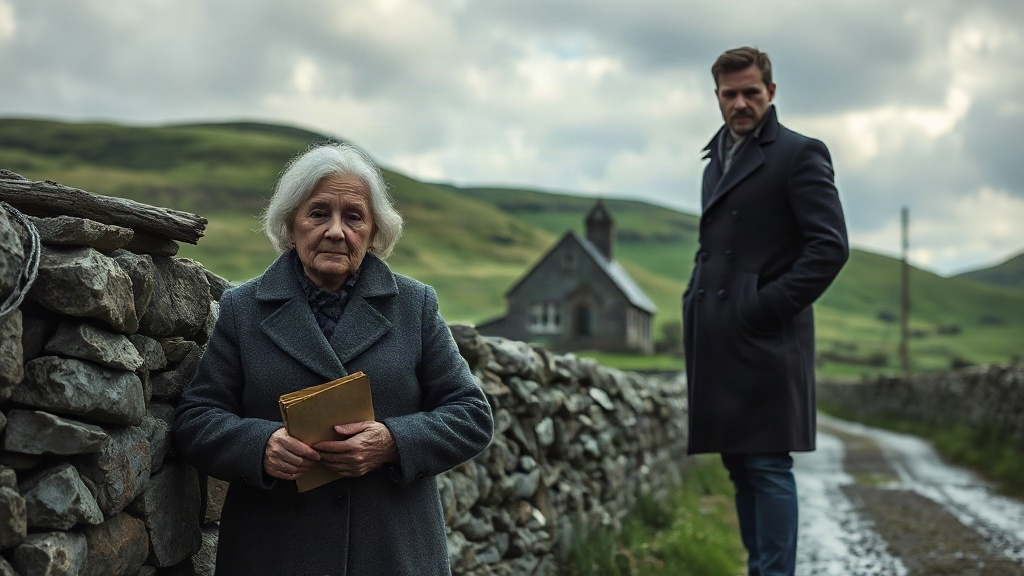
When Liam Neeson first read about the Tuam mother and baby home in a 2017 New York Times article, he felt a mix of shock and shame. The story of hundreds of infants buried in a mass unmarked grave at a former home for unmarried mothers in County Galway, Ireland, struck a deep chord. Now, Neeson is bringing that story to the screen, and he credits one woman above all for making it happen: Catherine Corless, a local amateur historian whose relentless pursuit of the truth exposed the tragedy to the world.
Neeson recently spoke about Corless's extraordinary determination, describing her as someone who "never accepted no." For years, Corless faced indifference, bureaucratic resistance, and attempts to dismiss her findings. Yet she kept digging, kept asking questions, and eventually unearthed records revealing that nearly 800 infants had died at the home run by the Bon Secours Sisters between the 1920s and 1960s. Her work sparked a national reckoning in Ireland and beyond.
The upcoming film, directed by Monica Dolan, aims to honor both the victims and the woman who refused to let them be forgotten. Neeson's involvement adds star power to a project that seeks to ensure the world does not look away. But at its heart, the film is a tribute to Corless's persistence, a quality Neeson finds deeply admirable.
The Discovery That Shook Ireland
Catherine Corless began her research in 2012, driven by a personal connection: she had grown up near the Tuam home and remembered children from the institution. What started as a local history project soon turned into a horrifying revelation. Through death records and burial registers, she identified 796 children who had died at the home, many from malnutrition, measles, tuberculosis, and other preventable causes. The children were buried in a disused sewage tank on the property, without coffins or markers.
Corless's findings met with skepticism and outright denial. Local authorities and the Catholic Church initially downplayed her evidence. But she persisted, gathering more documents and pressing for an official investigation. In 2014, the Irish government established the Mother and Baby Homes Commission of Investigation, which confirmed many of her discoveries. The commission's 2021 report acknowledged a "striking" level of infant mortality at these institutions and criticized the culture of shame that surrounded unmarried mothers and their children.
Neeson recalls being deeply moved by Corless's courage. "She never accepted no," he said, emphasizing how her stubbornness in the face of adversity brought justice to light. Her work not only exposed the Tuam tragedy but also prompted a broader examination of similar institutions across Ireland, where thousands of women and children suffered due to societal and religious stigma.
From Headlines to Hollywood: The Film Adaptation
The film, currently in production, promises to be a poignant dramatization of Corless's journey. Monica Dolan, known for her nuanced portrayals of complex real-life figures, directs and stars as Corless. Neeson takes on a supporting role, reportedly as a local priest or a government official who initially resists but eventually aids her quest. The exact details of his character remain under wraps, but his involvement signals the project's high profile.
Neeson's connection to the story is personal. As an Irishman, he grew up aware of the harsh treatment of unmarried mothers and their children. The Tuam case, he says, forced him to confront a painful part of his country's past. He hopes the film will educate audiences worldwide about a chapter of history that many would prefer to forget.
The movie also aims to highlight the resilience of survivors and families affected by the mother and baby homes. Some survivors have mixed feelings about dramatizing such trauma, but Corless herself has expressed cautious support, provided the film remains truthful and respectful. The filmmakers have consulted with historians and advocacy groups to ensure accuracy.
Why This Story Matters Today
The Tuam tragedy is not just a historical footnote; it resonates with ongoing debates about reproductive rights, institutional abuse, and the power of ordinary people to effect change. Ireland has undergone significant social transformation in recent decades, legalizing same-sex marriage and abortion, but the legacy of the mother and baby homes still haunts many. The film arrives at a time when survivors are still seeking justice and acknowledgment.
Corless's work also underscores the importance of grassroots activism. Armed with little more than a laptop and a determination to uncover the truth, she took on powerful institutions and won. Her story is a reminder that one person's persistence can spark a movement. As Neeson puts it, she is a true heroine, not because she sought the spotlight, but because she refused to let the voiceless remain unheard.
The Man Behind the Mission: Liam Neeson's Advocacy
Liam Neeson is no stranger to roles that tackle social issues. From Schindler's List to Kinsey, he has often chosen projects with moral weight. His involvement in the Tuam film is consistent with his off-screen advocacy for various causes, including children's rights and education. Neeson has spoken passionately about the need to remember history's victims and to learn from past injustices.
In interviews, he has praised Corless's humility and tenacity. He notes that she never sought fame or fortune; her sole aim was to give dignity to the dead and answers to the living. That selflessness, he says, is what makes her a hero. The film, he hopes, will inspire others to stand up for what is right, even when the odds seem insurmountable.
Neeson's star power also brings attention to the film's subject matter. With his name attached, the project is more likely to secure international distribution, ensuring that the Tuam story reaches a global audience. For a tragedy that was once buried in silence, this is a significant step toward remembrance and accountability.
Challenges of Bringing Trauma to Screen
Adapting real-life tragedies for film is fraught with ethical considerations. The Tuam case involves profound suffering, and filmmakers must balance dramatic license with respect for survivors. Monica Dolan and her team have reportedly worked closely with Corless and other stakeholders to avoid sensationalism. The goal is to honor the victims, not exploit their pain.
Early reports suggest the film will focus on Corless's investigation rather than graphic depictions of abuse. This approach aligns with Neeson's description of the project as a tribute to her doggedness. By centering on her quest for truth, the film can inspire without gratuitous shock. It also allows audiences to connect with Corless as a relatable figure, a local historian who stumbled upon a dark secret and refused to look away.
What's Next for the Tuam Legacy?
As the film moves toward release, the real-life story continues to unfold. In 2022, the Irish government announced plans to excavate the site of the former Tuam home and recover the remains of the children buried there. This process, known as the Tuam excavation, is expected to take years and will involve DNA analysis to identify victims. Survivors and families hope it will bring closure and proper burials for their loved ones.
Catherine Corless remains actively involved in these efforts, still advocating for the families. Her work has not only exposed a hidden atrocity but also changed how Ireland confronts its past. The film will add a new dimension to this legacy, ensuring that the story of the Tuam babies and the woman who fought for them reaches millions.
Liam Neeson's portrayal of a figure in this drama, though secondary, adds to the film's gravitas. His praise for Corless is a reminder that real heroes often work quietly, driven by conviction rather than glory. As the world awaits the film, one thing is clear: Catherine Corless's unwavering refusal to accept "no" has already made history. The movie will simply cement her place in it.
Frequently Asked Questions
Who is Catherine Corless and what did she discover?
Catherine Corless is an Irish amateur historian from Tuam, County Galway. She discovered that nearly 800 infants had died at the St. Mary's Mother and Baby Home, run by the Bon Secours Sisters, and were buried in an unmarked mass grave on the property. Her research, begun in 2012, forced the Irish government to investigate the home and led to a national apology.
What is the Tuam film about and who stars in it?
The film is a dramatization of Catherine Corless's investigation into the Tuam mother and baby home. It stars Monica Dolan as Corless and Liam Neeson in a supporting role. Directed by Dolan, the film focuses on Corless's persistence and the obstacles she overcame to expose the truth.
Why did Liam Neeson get involved in this project?
Neeson, who is Irish, was deeply moved by the Tuam story and felt a personal connection to the suffering of unmarried mothers and their children in Ireland. He admires Corless's determination and hopes the film will educate global audiences about this dark chapter and inspire others to fight for justice.
What impact did Catherine Corless's work have on Ireland?
Her work led to the establishment of the Mother and Baby Homes Commission of Investigation, which confirmed widespread abuse and high infant mortality in these institutions. It also sparked a broader societal reckoning, prompting apologies from the government and the Catholic Church, and ongoing efforts to excavate the Tuam site and identify remains.
When will the Tuam film be released?
The film is currently in production, and no official release date has been announced. Given the sensitive subject matter and the need for careful post-production, it is expected to premiere in late 2026 or early 2027.