
Why Turkey Became a Leader in Dental Veneers
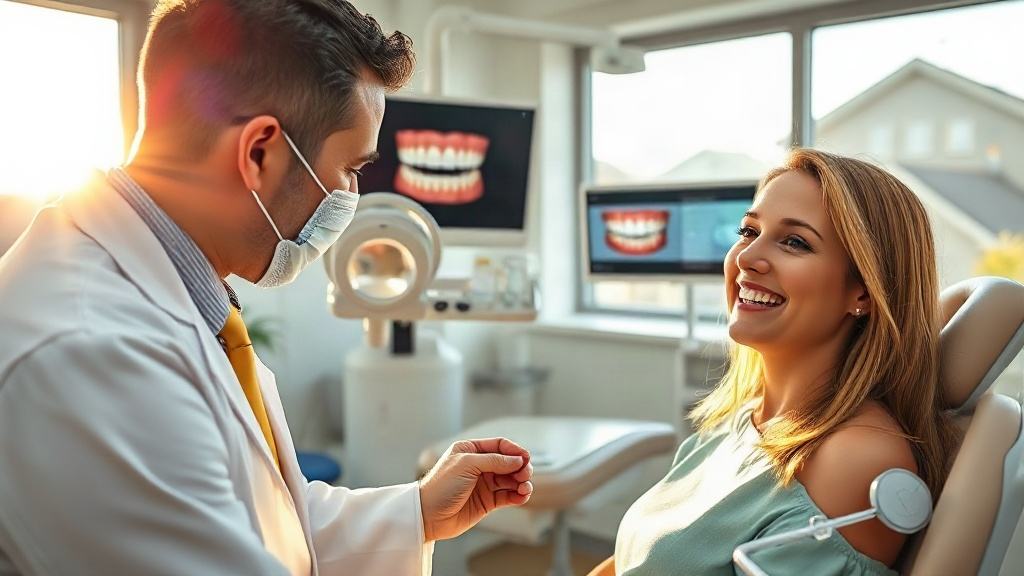
The rise of Turkey as a dental destination isn't a fluke. It's a combination of skilled dentists, modern clinics, and a tourism-friendly infrastructure. Many Turkish dentists have international training and memberships in organizations like the European Academy of Esthetic Dentistry. Clinics in Istanbul, Antalya, and Izmir invest heavily in technology such as 3D scanners, CAD/CAM milling machines, and digital smile design software. This means you're not just getting a lower price; you're often getting a more advanced experience than what's available at a local clinic back home.
Cost is obviously a major factor. A single porcelain veneer in the UK can cost £800 to £1,200 or more. In Turkey, the same veneer might cost £200 to £400, depending on the material and clinic. That's a saving of 60% to 75%, which makes a full smile makeover financially feasible for many people. But price alone shouldn't drive your decision. You need to look at the clinic's reputation, the materials they use, and the aftercare support they provide.
The Role of Dental Tourism Agencies
Many patients book through agencies that bundle flights, accommodation, transfers, and treatment. These packages can be convenient, but they also add a layer of complexity. Some agencies are excellent and work with top-tier clinics, while others are merely marketing fronts for subpar facilities. Always research the actual dental clinic behind the package. Check for independent reviews on Trustpilot, Google, and dental forums. Ask for before-and-after photos of real patients, and don't be shy about requesting a virtual consultation before you book anything.
Understanding Your Veneer Options
When you start looking into veneers, you'll quickly encounter different materials and brands. The most common are porcelain veneers, composite veneers, and the increasingly popular Emax veneers. Each has its own pros and cons, and the right choice depends on your budget, the condition of your teeth, and your aesthetic goals.
Porcelain Veneers: The Classic Choice
Porcelain veneers are thin shells of ceramic that are bonded to the front surface of your teeth. They are highly resistant to staining and can last 10 to 15 years with proper care. The process usually requires removing a small amount of enamel, which means the procedure is irreversible. However, the result is a natural-looking, durable smile that can correct discoloration, chips, gaps, and minor misalignment.
Emax Veneers: The Premium Option
emax veneers turkey have gained a reputation for being the gold standard in cosmetic dentistry. Emax is a type of lithium disilicate glass-ceramic that offers exceptional strength and translucency. It mimics the light-reflecting properties of natural enamel better than traditional porcelain. Emax veneers are thinner than conventional porcelain veneers, which means less tooth reduction is needed. They are also less likely to chip or fracture, making them a great choice for patients who want both beauty and longevity. Many Turkish clinics specialize in Emax because the material is versatile and produces stunning results in the hands of a skilled ceramist.
Composite Veneers: A Budget-Friendly Alternative
Composite veneers are made from a tooth-colored resin that is applied directly to the tooth and sculpted by the dentist. They are cheaper than porcelain and can often be completed in a single visit. However, they are more prone to staining and wear, and they typically last only 3 to 5 years before needing repair or replacement. Composite veneers are a good option if you want to test out a new smile without committing to permanent enamel removal, or if you're on a tight budget.
Zirconium Crowns: When You Need More Than a Veneer
Sometimes a veneer isn't enough. If a tooth is severely damaged, heavily filled, or has undergone a root canal, a crown may be a better solution. zirconium crowns turkey are a popular choice for full coverage restorations. Zirconium is a type of ceramic that is incredibly strong and biocompatible. It can withstand the forces of chewing in the back of the mouth while still looking natural in the front. Unlike older porcelain-fused-to-metal crowns, zirconium crowns have no metal core, so they don't create a dark line at the gum. They are also less likely to cause allergic reactions.
Many patients combine veneers and crowns in a single treatment plan. For example, you might get Emax veneers on your front six teeth and zirconium crowns on your premolars to achieve a uniform, bright smile. A good dentist will assess each tooth individually and recommend the most conservative option that will deliver the result you want.
How to Choose the Right Clinic for Veneers in Turkey
Choosing a clinic is the single most important decision you'll make. Here's a practical checklist to guide you:
- Verify credentials: Look for dentists who are members of the Turkish Dental Association and have international certifications. Don't rely solely on the clinic's website; check independent sources.
- Read reviews from multiple platforms: Google, Trustpilot, and Facebook are good starting points. Pay attention to how the clinic responds to negative reviews. A professional clinic will address concerns openly.
- Ask about the materials: Not all veneers are created equal. Reputable clinics will specify the brand of ceramic they use, such as Ivoclar Vivadent's IPS e.max or 3M's Lava. Beware of clinics that just say "porcelain" without details.
- Request a detailed treatment plan: Before you travel, you should receive a written plan that outlines the number of veneers or crowns, the materials, the timeline, and the total cost. Avoid clinics that give vague quotes over the phone.
- Inquire about the lab: The quality of the dental lab is just as important as the dentist. Ask if the clinic has an in-house lab or works with a certified external lab. In-house labs often allow for faster adjustments and better quality control.
- Understand the warranty: Many Turkish clinics offer a warranty on their work, typically 5 to 10 years for porcelain and Emax veneers. Make sure you get the warranty terms in writing.
The Step-by-Step Process: From Consultation to Final Smile
Understanding the timeline can help you plan your trip and manage expectations. Here's what a typical veneer journey in Turkey looks like:
- Virtual consultation: You send photos and X-rays (if available) to the clinic. The dentist evaluates your case and discusses your goals via video call. This is your chance to ask questions and gauge the clinic's communication style.
- Travel and first appointment: You arrive in Turkey and visit the clinic for a comprehensive examination. The dentist will take digital impressions, photographs, and possibly a 3D scan of your mouth. This is when the final treatment plan is confirmed.
- Tooth preparation: If you're getting porcelain or Emax veneers, the dentist will remove a thin layer of enamel (usually 0.3 to 0.5 millimeters) to make room for the veneer. For zirconium crowns, more tooth structure is removed. This step is usually done under local anesthesia, so you won't feel pain.
- Temporary restorations: While your permanent veneers are being fabricated in the lab, you'll wear temporary veneers or crowns. These protect your prepared teeth and give you a preview of your new smile. They are not as strong as the final restorations, so you'll need to be careful with hard or sticky foods.
- Fabrication: The dental lab creates your custom veneers or crowns using the digital impressions. This typically takes 3 to 7 days, depending on the lab's workload and the complexity of your case.
- Fitting and bonding: Once your permanent restorations are ready, you'll return to the clinic for fitting. The dentist will check the color, shape, and fit, making any necessary adjustments. Then the veneers are bonded to your teeth using a special adhesive and cured with a light.
- Final polish and aftercare instructions: The dentist will polish your new smile and give you detailed instructions on how to care for it. You'll also schedule a follow-up appointment, either in person or virtually, to ensure everything is healing properly.
The entire process usually takes 7 to 10 days, which is why many patients combine their dental treatment with a holiday. Istanbul, in particular, offers a rich cultural experience with its historic sites, bazaars, and cuisine.
Potential Risks and How to Avoid Them
No medical procedure is without risk, and dental tourism adds extra layers of complexity. Here are some common concerns and how to mitigate them:
- Communication barriers: While many Turkish dentists speak English, there can be nuances lost in translation. Choose a clinic with dedicated patient coordinators who are fluent in your language. Don't assume that a dentist who speaks basic English can fully explain complex procedures.
- Quality of materials: Some clinics cut corners by using cheaper, off-brand ceramics. Always ask for the exact brand and model of the veneer or crown. You can verify the authenticity of materials by requesting the lab's certificate.
- Over-treatment: Be wary of clinics that recommend a full set of veneers when you only need a few. A good dentist will preserve as much natural tooth structure as possible. Get a second opinion if a treatment plan seems overly aggressive.
- Aftercare access: If something goes wrong after you return home, you may not be able to easily travel back to Turkey. Ask the clinic about their warranty policy and whether they have partner dentists in your home country. Some clinics offer remote consultations and will cover the cost of local repairs if needed.
Cost Breakdown: What You Can Expect to Pay
Prices vary widely depending on the clinic's location, reputation, and the materials used. Here's a rough guide based on current market rates in Turkey (as of 2025):
- Composite veneer: £80 to £150 per tooth
- Porcelain veneer: £180 to £350 per tooth
- Emax veneer: £220 to £400 per tooth
- Zirconium crown: £150 to £300 per tooth
These prices typically include the consultation, X-rays, temporary restorations, and the final fitting. However, you should always confirm what's included in the quote. Some clinics charge extra for sedation, gum contouring, or additional adjustments. Also factor in the cost of flights, accommodation, and meals. A full smile makeover with 10 Emax veneers might cost around £2,500 to £4,000 in Turkey, compared to £8,000 to £12,000 in the UK. That's a significant saving, but it's still a substantial investment, so do your homework.
Real Patient Experiences: What to Expect
Hearing from people who have been through the process can give you a realistic picture. Many patients report a high level of satisfaction with the results, praising the skill of Turkish dentists and the efficiency of the clinics. However, some have faced challenges with communication or aftercare. One common piece of advice from experienced dental tourists is to schedule a few extra days in Turkey after your final fitting. This allows time for any adjustments and ensures you leave with a smile that feels comfortable. Another tip is to bring a friend or family member for support, especially if you're nervous about dental procedures.
It's also worth noting that the emotional impact of a new smile can be profound. Many patients say they feel more confident in social and professional situations. Some even describe it as life-changing. But it's important to have realistic expectations. Veneers can dramatically improve the appearance of your teeth, but they won't fix underlying issues like gum disease or bite problems. A good dentist will address those issues first or refer you to a specialist.
Frequently Asked Questions
How long do veneers from Turkey last?
The lifespan of your veneers depends on the material and how well you care for them. Porcelain and Emax veneers typically last 10 to 15 years, while composite veneers last 3 to 5 years. Zirconium crowns can last 15 years or more. To maximize longevity, practice good oral hygiene, avoid chewing on hard objects like ice or pens, and wear a night guard if you grind your teeth. Regular dental check-ups are also essential.
Is it safe to get veneers in Turkey?
Yes, it can be very safe if you choose a reputable clinic with experienced dentists and high-quality materials. Turkey has many world-class dental facilities that adhere to international standards. However, as with any medical tourism, there are risks. Thoroughly research the clinic, read independent reviews, and have a clear communication plan. Don't be swayed by extremely low prices, as they may indicate substandard materials or rushed work.
How many visits do I need for veneers in Turkey?
Most patients need two visits. The first visit is for consultation, tooth preparation, and temporary veneers. The second visit, about 3 to 7 days later, is for fitting the permanent veneers. Some clinics offer same-day veneers using in-house milling machines, but this is less common for high-end Emax work. Plan to stay in Turkey for at least 7 to 10 days to allow for adjustments and ensure you're happy with the result.
Can I combine veneers with other dental treatments?
Absolutely. Many patients combine veneers with teeth whitening, gum contouring, or zirconium crowns for a complete smile makeover. Your dentist will assess your overall oral health and recommend a comprehensive treatment plan. Combining treatments can be more cost-effective and efficient, as you only need one trip. However, make sure the clinic has experience in all the procedures you need.
What is the difference between Emax veneers and zirconium crowns?
Emax veneers are thin shells that cover only the front surface of the tooth, while zirconium crowns cover the entire tooth. Emax is often preferred for front teeth due to its superior aesthetics and translucency. Zirconium is stronger and is typically used for back teeth or teeth that need more structural support. In some cases, a dentist may recommend Emax for front teeth and zirconium for premolars to achieve the best balance of beauty and strength.
Final Thoughts: Is Turkey Right for Your Smile Makeover?
Deciding to get veneers in Turkey is a big step, but for many people, it's a step worth taking. The combination of skilled dentists, advanced technology, and significant cost savings makes Turkey an attractive option. The key is to approach the process with careful research and realistic expectations. Don't rush into a decision based on a flashy Instagram ad. Instead, take your time to compare clinics, ask hard questions, and understand exactly what you're getting. Your smile is an investment in your confidence and well-being, and it deserves the same level of care you'd give to any major purchase. If you do your homework, you could be just one trip away from the smile you've always wanted.