
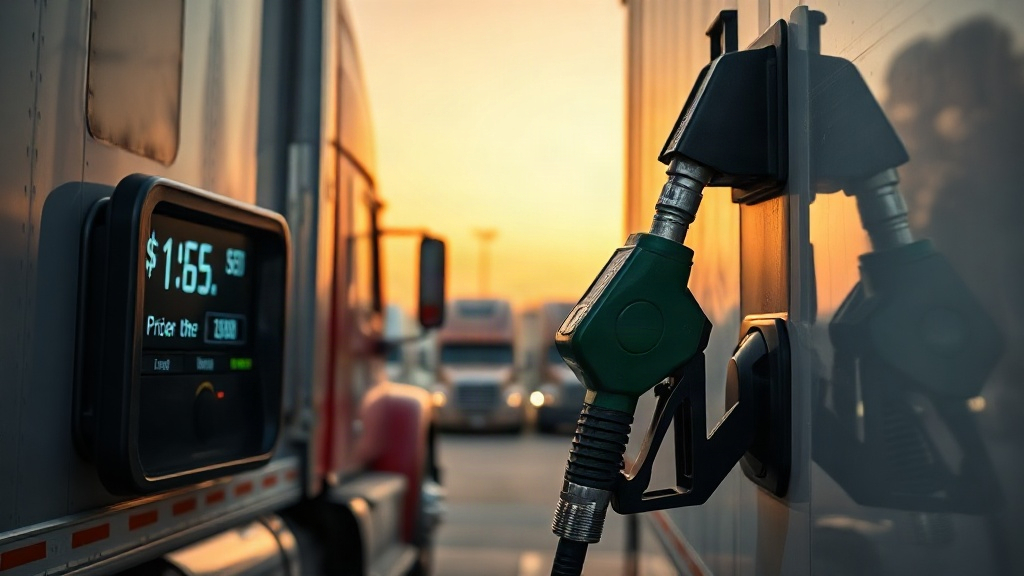
If you’ve filled up a truck, tractor, or delivery van recently, you’ve felt the sting at the pump. The national average price for a gallon of diesel has jumped above the $6 mark, and it’s not just a number on a sign. It’s a warning light for the broader economy. From the freight that moves your packages to the farmers harvesting your food, the ripple effects are real, and they’re arriving fast.
This isn’t a temporary blip. The surge is rooted in a mix of geopolitical tension, tight global supplies, and a refining system stretched thin. For households already dealing with stubborn inflation, higher diesel costs mean more than just expensive road trips. They mean pricier groceries, costlier home deliveries, and a heavier burden on small businesses that depend on trucks to stay alive.
What’s Driving Diesel Prices Higher?
Diesel doesn’t exist in a vacuum. Its price is tied to crude oil, but the recent spike has its own unique fingerprints. Here’s what’s pushing the needle past $6 a gallon.
Geopolitical Risk in the Middle East
Escalating conflict in the Middle East has put energy markets on edge. Any disruption, or even the fear of a disruption, to oil flows through key chokepoints like the Strait of Hormuz sends a shockwave through global crude prices. Diesel, as a refined product, feels that shock immediately. Traders are pricing in the risk that supplies could be constrained, and that risk premium is now showing up at your local fuel station.
Tight Refining Capacity and Low Inventories
Even before the latest geopolitical flare-up, U.S. distillate inventories, which include diesel and heating oil, were running below their five-year averages. Refineries have been operating at high utilization rates, but several unexpected outages and planned maintenance have limited output. When supply is already snug, any extra demand or supply shock can send prices soaring.
Seasonal Demand and Export Pressure
Diesel demand typically rises in the fall as agricultural activity peaks and heating oil season begins. At the same time, U.S. diesel exports remain strong, partly due to Europe’s reduced reliance on Russian fuel. That means domestic supply is being pulled in multiple directions, keeping the market tight and prices elevated.
Why This Matters for Inflation
Diesel is the lifeblood of the physical economy. When its price climbs, the cost of moving goods climbs with it. Those costs don’t stay in the logistics sector; they cascade into the price of nearly everything.
Freight costs are a direct input to consumer prices. Trucking companies, rail operators, and shipping lines all burn diesel. When their fuel bills jump, they pass those increases along through higher freight rates. Retailers then face higher costs to stock their shelves, and those costs eventually land on the consumer. It’s a classic cost-push inflation scenario, and it’s happening right now.
Agriculture and food production are especially exposed. Farmers use diesel to run tractors, combines, and irrigation pumps. Higher fuel costs raise the price of planting, harvesting, and transporting crops. That pressure shows up in the grocery aisle, from fresh produce to packaged goods. For families already stretching their budgets, another rise in food prices is a painful squeeze.
Construction and manufacturing feel the pinch too. Heavy equipment, generators, and industrial machinery rely on diesel. When fuel costs rise, the cost of building homes, roads, and factories rises as well. That can slow down projects, delay hiring, and add to the inflationary pressures that the Federal Reserve has been fighting to contain.
The Ripple Effect on Businesses and Consumers
Small and mid-sized businesses are often the first to absorb the shock. A landscaping company, a local moving service, or a regional distributor may not have the pricing power to immediately pass on higher fuel costs. Margins get squeezed, and sometimes the choice is between raising prices and cutting hours.
For consumers, the impact is uneven but widespread. Those who drive diesel vehicles, such as pickup trucks or certain SUVs, feel it directly at the pump. But even those who don’t own a diesel vehicle aren’t immune. Delivery fees, ride-sharing surcharges, and the cost of online orders can all creep upward. The price of a gallon of diesel is a hidden tax on everyday life.
What Could Bring Relief?
There’s no single switch that will bring diesel prices down quickly, but several factors could ease the pressure over time.
- A de-escalation of geopolitical tensions would remove the risk premium from crude oil and refined products. Even a temporary ceasefire or diplomatic breakthrough could send prices lower.
- Increased refining capacity or imports could help rebuild inventories. Some analysts point to the possibility of higher refinery runs in the coming months, though that depends on maintenance schedules and profit margins.
- A slowdown in global demand could also provide relief, though that would likely come at the cost of weaker economic growth, a trade-off few would cheer.
- Government policy responses, such as releases from strategic reserves or targeted tax relief, could offer temporary relief, but they don’t address the underlying supply-demand imbalance.
For now, the path of diesel prices remains uncertain. What is certain is that every extra dollar at the pump is a dollar not spent elsewhere. That’s a drag on consumer spending, business investment, and overall economic momentum.
The Bottom Line
Diesel crossing $6 a gallon is more than a headline. It’s a signal that inflationary pressures are far from over. The cost of moving goods, growing food, and building infrastructure is climbing, and those costs are being passed along to households and businesses. While the situation could improve if geopolitical tensions ease or supplies rebuild, the near-term outlook remains challenging.
For anyone watching the economy, diesel prices are a key indicator to monitor. They reflect both global risks and domestic vulnerabilities. And for the average consumer, they’re a reminder that inflation isn’t just an abstract statistic, it’s a daily reality at the pump, in the store, and on the bottom line.
Frequently Asked Questions
Why did diesel prices jump above $6 a gallon?
The spike is driven by a combination of factors, including heightened geopolitical tensions in the Middle East that threaten oil supplies, low U.S. distillate inventories, strong export demand, and seasonal increases in agricultural and heating oil use. Together, these pressures have pushed diesel prices to record levels.
How do high diesel prices affect inflation?
Diesel is essential for transporting goods, running farm equipment, and powering construction machinery. When diesel prices rise, the cost of moving and producing goods increases. Those higher costs are passed on to consumers in the form of pricier food, goods, and services, which adds to overall inflation.
Who is most affected by the diesel price surge?
Trucking companies, farmers, construction firms, and other diesel-dependent businesses feel the impact first. Consumers are also affected indirectly through higher prices for delivered goods, groceries, and services. Those who drive diesel vehicles face direct costs at the pump.
Will diesel prices come down soon?
It depends on several factors. A reduction in geopolitical tensions, increased refining output, or a slowdown in demand could bring prices down. However, with inventories tight and demand steady, prices may remain elevated in the near term.
What can businesses do to cope with high diesel costs?
Businesses can improve fuel efficiency through better route planning, regular vehicle maintenance, and investing in newer, more efficient equipment. Some may also consider fuel surcharges or adjusting delivery schedules to reduce mileage. Long-term strategies include exploring alternative fuels or electrification where feasible.