
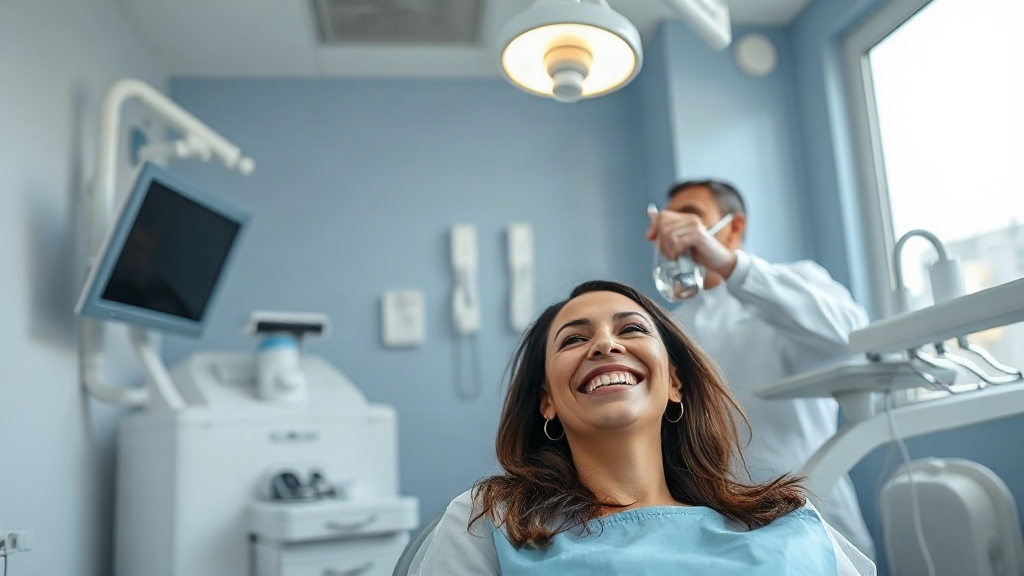
Imagine leaving the dentist's chair with a smile that makes you want to laugh out loud in every photo. That is the dream many people chase when they search for veneers turkey. The idea is simple: combine a holiday with high-quality cosmetic dentistry at a fraction of the price you would pay back home. But behind the glossy Instagram posts and tempting package deals, there is a real decision to make. You need facts, not just filters. This guide walks you through everything from the types of veneers available to how to plan your trip and what to expect when you get home.
Turkey has become a global hub for dental tourism, especially for cosmetic procedures. The reasons are not hard to find. The country has invested heavily in modern dental clinics, many of which are equipped with technology that matches or exceeds what you would see in Western Europe or North America. Dentists in popular areas like Istanbul, Antalya, and Izmir often train internationally and treat thousands of international patients every year. That volume gives them experience and efficiency that can be hard to find elsewhere. But with so many options, walking into the process without a plan is a risk. Let's break it down step by step.
What Are Dental Veneers and Who Needs Them?
Dental veneers are thin shells, usually made of porcelain or composite resin, that cover the front surface of your teeth. They are custom-made to match the shape, size, and color of your natural teeth, or to create a completely new look if that is what you want. Veneers can fix a range of cosmetic issues: stained teeth that do not respond to whitening, chipped or worn edges, small gaps, or teeth that are slightly crooked. They are not a cure for serious dental disease, but for the right patient, they are a transformative solution.
Not everyone is a candidate for veneers. If you have untreated cavities, gum disease, or severe misalignment, those issues need to be addressed first. A good dentist in Turkey will not simply agree to place veneers without examining your oral health. They will take X-rays, discuss your goals, and sometimes recommend alternative treatments like orthodontics or whitening. That honesty is a sign of a clinic you can trust.
Types of Veneers Available in Turkey
When you start researching, you will see many terms thrown around: porcelain, composite, Emax, zirconium, lumineers. It can be overwhelming. Here is a clear breakdown of what matters most.
Porcelain Veneers
Porcelain is the gold standard for veneers. It is strong, stain-resistant, and mimics the light-reflecting properties of natural enamel beautifully. Porcelain veneers typically last 10 to 15 years or more with good care. They require a small amount of enamel removal to fit properly, but the result is a durable, lifelike smile. Most high-quality clinics in Turkey use porcelain as their primary material.
Emax Veneers: The Premium Choice
Emax is a brand of lithium disilicate ceramic that has become incredibly popular in cosmetic dentistry. emax veneers turkey are known for their exceptional strength and translucency. They can be made thinner than traditional porcelain veneers, which means less tooth preparation. For patients with heavily stained or slightly misaligned teeth, Emax offers a balance of beauty and resilience. Many people choose Emax because it feels like an upgrade without a huge jump in price.
Zirconium Crowns vs. Veneers
Zirconium is not typically used for veneers; it is used for crowns. A crown covers the entire tooth, while a veneer only covers the front. So why does zirconium crowns turkey come up in veneer discussions? Because some patients who need more extensive restoration, like a broken tooth or a tooth after a root canal, will get a zirconium crown instead of a veneer. Zirconium crowns are extremely durable and can be matched to the color of your surrounding veneers for a seamless look. If a dentist tells you that you need a crown rather than a veneer, it is often because the tooth structure cannot support a veneer alone.
Composite Veneers
Composite resin veneers are made from a tooth-colored filling material applied directly to the tooth. They are cheaper and can be done in a single visit, but they stain more easily and do not last as long as porcelain. Some clinics in Turkey offer composite as a low-cost option, but for international patients, the savings on material are often not worth the shorter lifespan and higher maintenance.
Why Turkey? The Real Reasons Behind the Popularity
Let's be clear: the number one reason people travel to Turkey for veneers is cost. In the UK, a single porcelain veneer can cost £600 to £1,200. In the United States, it is often $1,000 to $2,500 per tooth. In Turkey, you can find high-quality porcelain veneers for $200 to $500 per tooth. That is a massive difference, especially if you need eight or ten teeth done. But cost is not the only factor.
Another reason is speed. In many Western countries, you might wait weeks or months for a consultation, then more weeks for the lab work. In Turkey, many clinics offer a complete smile makeover in five to seven days. That includes consultation, digital scans, temporary veneers, and final placement. For someone with limited vacation time, that efficiency is a huge draw.
Finally, there is the experience factor. Dental clinics in tourist-friendly cities are used to treating international patients. They have English-speaking staff, patient coordinators who help with airport transfers and hotels, and even partnerships with local hotels. The entire process is designed to be smooth and stress-free, which is not something you can say about every dental visit back home.
How to Choose a Dental Clinic in Turkey
This is where you need to be careful. Not every clinic that shows up on Instagram is reputable. Here is a checklist to help you separate the good from the risky.
- Check credentials: Look for dentists who are members of international organizations like the International Congress of Oral Implantologists or the European Academy of Cosmetic Dentistry. Verify their education and years of experience.
- Read independent reviews: Google Reviews and Trustpilot are good places to start. Look for patterns. A few negative reviews are normal, but if you see repeated complaints about hygiene, communication, or botched work, move on.
- Ask for before-and-after photos: A reputable clinic will have a portfolio of real patient cases. Be wary of stock photos or heavily edited images.
- Get a detailed treatment plan: Before you book a flight, you should receive a written plan that outlines exactly what will be done, how many teeth are involved, what materials will be used, and the total cost. If a clinic is vague, that is a red flag.
- Understand the warranty: Many clinics offer a warranty on their veneers, typically 5 to 10 years. Make sure you know what is covered and what is not, and get it in writing.
- Check the clinic's technology: Modern clinics use digital smile design software, intraoral scanners, and CAD/CAM milling machines. This technology improves accuracy and reduces the chance of errors.
What to Expect During Your Veneer Procedure in Turkey
The process usually takes two main visits. Here is a typical timeline for a patient getting eight to ten veneers.
Day 1: Consultation and Smile Design
You will meet with the dentist for a full examination, including X-rays and a 3D scan of your teeth. The dentist will discuss your goals and show you a digital preview of your new smile. This is your chance to be honest about what you like and do not like. Do not be shy. The more specific you are, the better the result.
Day 2: Tooth Preparation and Temporary Veneers
The dentist will remove a thin layer of enamel from the front of your teeth to make room for the veneers. This is usually done under local anesthesia, so you should not feel pain. Impressions are taken and sent to the dental lab. While you wait, you will get temporary veneers that protect your teeth and let you test the look and feel.
Days 3-5: Lab Work
This is often your free time to explore the city. Your temporaries will be in place, so you can eat and talk normally, though you should avoid hard or sticky foods. The dental lab crafts your custom veneers using the material you chose, whether porcelain, Emax, or zirconium.
Day 6 or 7: Final Placement
You return to the clinic, the temporaries are removed, and the permanent veneers are tried on. The dentist will check the fit, color, and bite. Small adjustments can be made on the spot. Once you are happy, the veneers are bonded to your teeth with a strong dental adhesive. A final polish gives them a natural shine.
Cost Breakdown: What Are You Really Paying For?
When you see a price like $2,500 for a full set of veneers, you need to understand what is included. Some packages cover only the dental work. Others include accommodation, airport transfers, and even a city tour. Here is a rough breakdown to help you budget.
- Dental fees: The biggest cost. Porcelain veneers in Turkey typically range from $200 to $400 per tooth. Emax veneers might be $250 to $450 per tooth. Zirconium crowns, which are more complex, can be $300 to $500 per tooth.
- Consultation and imaging: Often free or included in the treatment package.
- Accommodation: Many clinics partner with hotels and include 4-5 nights in the price. If not, expect to pay $50 to $150 per night for a good hotel in Istanbul.
- Airfare: This is usually your responsibility. Round-trip flights from the UK to Istanbul can be as low as £100 if you book early. From the US, expect $600 to $1,200.
- Additional costs: If you need extractions, root canals, or bone grafting, those are usually billed separately. Make sure you know the full cost before you commit.
Be cautious of prices that seem too good to be true. A clinic offering veneers for $100 per tooth is probably cutting corners on materials, sterilization, or lab quality. Your health is not the place to bargain hunt.
Travel and Logistics: Planning Your Dental Trip to Turkey
Istanbul is the most popular destination for dental tourism, and for good reason. It has two international airports, countless hotels, and a huge number of dental clinics. Antalya is another option, especially if you want to combine your dental work with a beach holiday. Izmir and Ankara also have reputable clinics. Whichever city you choose, here are some practical tips.
- Book your flights early: This is especially important during peak tourist season (June to August).
- Arrange airport pickup: Most clinics offer free or low-cost transfers. Confirm this before you travel.
- Stay close to the clinic: You will have at least two or three appointments, so you do not want to spend hours in traffic. Ask the clinic for hotel recommendations within walking distance.
- Plan your meals: After your teeth are prepared, you will be on a soft-food diet for a few days. Good options include soups, yogurt, mashed potatoes, scrambled eggs, and smoothies. Avoid anything crunchy, chewy, or very hot.
- Bring a translation app: While most clinic staff speak English, you may encounter language barriers outside the clinic. A translation app can be a lifesaver.
- Get travel insurance: Make sure your policy covers dental treatment abroad, including any complications that might arise.
Aftercare: How to Make Your Veneers Last
Veneers are durable, but they are not indestructible. With proper care, they can last 10 to 20 years. Here is what you need to do.
- Maintain excellent oral hygiene: Brush twice a day with a non-abrasive toothpaste and floss daily. Veneers do not decay, but the tooth underneath can, so keeping the gum line clean is crucial.
- Avoid bad habits: Do not chew on ice, pens, or your fingernails. Do not use your teeth to open packages. These habits can chip or crack your veneers.
- Wear a nightguard if you grind your teeth: Bruxism can damage veneers over time. If you know you grind, ask your dentist about a custom nightguard.
- Limit staining foods and drinks: Porcelain and Emax are stain-resistant, but the bonding material around the edges can pick up stains. Coffee, tea, red wine, and tobacco are the usual culprits. Rinse your mouth after consuming them.
- See your dentist regularly: You should have a checkup every six months, either at home or back at the clinic in Turkey. They can check for any issues and professionally clean your veneers.
Common Myths About Veneers in Turkey
There is a lot of misinformation floating around. Let's clear up a few of the most common myths.
Myth: All Turkish dental clinics are the same. Absolutely not. The quality varies widely. That is why research is so important. Look for clinics with international accreditations, experienced dentists, and a track record of successful cases.
Myth: Veneers ruin your natural teeth. This is a half-truth. Veneers do require some enamel removal, which is irreversible. But a skilled dentist will remove only the minimum amount necessary, about 0.3 to 0.5 millimeters. That is less than the thickness of a fingernail. The result is a strong, healthy tooth that looks better than before.
Myth: The procedure is painful. Most patients report little to no pain during the procedure. Local anesthesia is used for the preparation phase. After the anesthesia wears off, you might have some sensitivity or mild discomfort for a day or two, but it is easily managed with over-the-counter pain relievers.
Myth: You have to go back to Turkey for every issue. Not necessarily. Many clinics have partnerships with dentists in the UK, US, and other countries for follow-up care. If a minor issue arises, you can often see a local dentist. For major problems, the clinic in Turkey may cover your return flight for a repair, depending on the warranty terms.
Real Patient Experiences: What to Expect Emotionally
Getting veneers is not just a physical transformation; it is an emotional one. Many patients report feeling more confident, more willing to smile, and even more outgoing after the procedure. But it is important to have realistic expectations. Veneers will not fix every insecurity. They will improve the appearance of your teeth, but they will not change the shape of your face or your overall personality.
Some patients experience a period of adjustment after getting veneers. Your new teeth will feel different, especially at first. It might take a few days to get used to the new shape and bite. You might feel like your teeth are too big or too white. This is normal. Most people adapt within a week and end up loving the result. If you are concerned, talk to your dentist. They can make small adjustments to help you feel more comfortable.
Is Turkey Safe for Dental Work?
Safety is a valid concern for anyone considering medical treatment abroad. Turkey has a well-regulated dental industry, and many clinics adhere to strict international standards for hygiene and sterilization. The best clinics use autoclaves for all instruments, single-use disposables where appropriate, and follow protocols similar to those in Western countries.
However, you should still do your due diligence. Ask about sterilization procedures. Look for clinics that are transparent about their hygiene practices. Read reviews that mention cleanliness. If something feels off during your consultation, trust your gut and walk away. Your safety is worth more than a cheap veneer.
Final Thoughts on Choosing Veneers in Turkey
Getting veneers in Turkey can be a life-changing decision, but it is not one to make lightly. The combination of skilled dentists, modern technology, and lower costs makes Turkey an attractive option for many people. But the key to a successful outcome is research. Take your time. Compare clinics. Ask questions. Look beyond the price tag and focus on quality, experience, and aftercare.
If you are ready to take the next step, start by requesting consultations from a few shortlisted clinics. A good clinic will answer your questions patiently and provide a detailed plan without pressure. Your smile is worth the effort.
Frequently Asked Questions About Veneers in Turkey
How long do Emax veneers last in Turkey?
Emax veneers typically last 10 to 15 years, and sometimes longer with excellent care. Their lifespan depends on your oral hygiene, diet, and habits like teeth grinding. Emax is one of the strongest ceramic materials available, so it is a great choice for durability.
What is the difference between veneers and zirconium crowns in Turkey?
Veneers cover only the front surface of a tooth, while crowns cover the entire tooth. Zirconium crowns are used when a tooth is too damaged for a veneer, such as after a root canal or a large filling. Zirconium is extremely strong and can be color-matched to your other teeth.
Can I eat normally with temporary veneers in Turkey?
You should stick to soft foods while wearing temporary veneers. Avoid hard, crunchy, sticky, or very hot foods. Temporary veneers are not as strong as permanent ones and can dislodge if you bite into something too hard. Most clinics will give you a list of recommended foods.
How much does a full set of veneers cost in Turkey?
A full set of 8 to 10 porcelain veneers in Turkey typically costs between $2,000 and $4,000, depending on the clinic, materials, and whether accommodation is included. Emax veneers may cost slightly more. Always get a detailed quote before booking.
Is it safe to get veneers in Turkey during a short trip?
Yes, most clinics can complete the entire procedure in 5 to 7 days. This includes consultation, preparation, lab work, and final placement. However, it is wise to add a day or two of buffer in case adjustments are needed. Some patients prefer to stay a full week to be safe.