
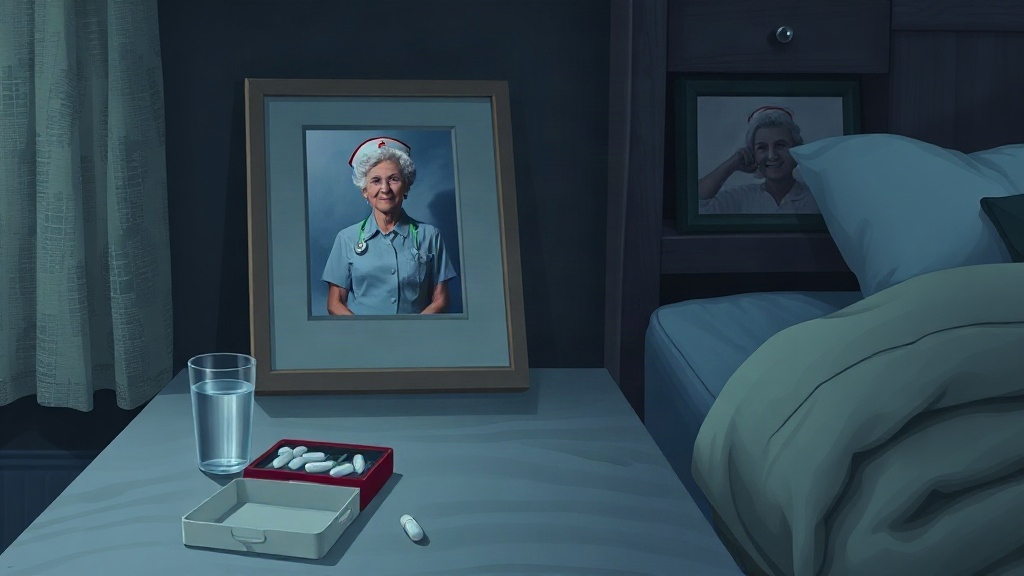
Pearl Roche spent decades caring for others as a nurse, but when dementia began to rob her of memory and independence, her family found themselves fighting a system that seemed unable to provide the most basic necessity: her medication. Weeks after scrambling to secure her prescriptions, Roche died, leaving behind a grieving family and a stark warning about the fragility of dementia care in the face of ongoing drug shortages.
Roche's story is not an isolated tragedy. Across the country, families are confronting empty pharmacy shelves and insurance hurdles while trying to manage a disease that demands consistency. For those living with dementia, interruptions in medication can trigger rapid decline, increased agitation, and even life-threatening complications. The shortage of common dementia drugs, including cholinesterase inhibitors like donepezil and memantine, has turned a routine refill into a race against time.
How Drug Shortages Disrupt Dementia Care
Dementia medications do not cure the disease, but they play a vital role in managing symptoms. Donepezil, rivastigmine, and galantamine work by boosting neurotransmitters involved in memory and judgment. Memantine regulates glutamate to protect brain cells. When these drugs are unavailable, patients may experience a sudden worsening of confusion, anxiety, and behavioral issues.
For families like Roche's, the consequences are immediate. Without a steady supply, caregivers must ration pills, skip doses, or switch to alternative medications that may be less effective or cause new side effects. Such disruptions are particularly dangerous for elderly patients who often have multiple health conditions. The stress of hunting for medication adds to the already heavy burden of caregiving.
The Ripple Effect on Families and Caregivers
Drug shortages force families to become amateur pharmacists. They call multiple pharmacies, drive long distances, and negotiate with insurance companies for coverage of alternative brands. This logistical nightmare consumes hours each week and drains emotional reserves. In Roche's case, her family reportedly struggled for weeks to locate her prescribed medication, a delay that may have contributed to her decline.
Caregivers already face high rates of burnout and depression. Adding medication insecurity to the mix can push them to the breaking point. Many report feeling abandoned by a healthcare system that acknowledges the importance of these drugs but fails to ensure their availability. The result is unnecessary suffering for both patients and those who love them.
Why Are Dementia Drugs in Short Supply?
The reasons behind the shortages are complex. Manufacturing issues, including quality control problems and raw material shortages, have plagued generic drug production for years. Because many dementia medications are off-patent generics, profit margins are thin, leaving little incentive for manufacturers to invest in robust supply chains or backup production lines.
Regulatory hurdles and consolidation in the pharmaceutical industry have also reduced the number of suppliers. When one manufacturer halts production, others cannot quickly scale up to meet demand. The COVID-19 pandemic exposed these vulnerabilities, but they persist. For dementia patients, whose treatment relies on long-term, uninterrupted use, even a brief shortage can have lasting effects.
The Role of Insurance and Pharmacy Benefit Managers
Insurance practices can worsen shortages. Pharmacy benefit managers (PBMs) often negotiate exclusive contracts with specific manufacturers, limiting the variety of products available at local pharmacies. When a preferred product is backordered, patients may be forced to pay out of pocket for an alternative or go without. Some insurers require prior authorization for brand-name versions, adding delays that patients cannot afford.
Roche's family likely encountered these obstacles. Navigating prior authorizations, appealing denials, and seeking exceptions consumes time that a person with advanced dementia does not have. The system, designed to control costs, often ends up costing lives.
Advocating for Patients During Shortages
Families facing dementia drug shortages can take several steps to protect their loved ones. First, contact the prescribing physician immediately. Doctors may be able to adjust dosages, switch to a similar medication, or provide samples. Second, ask pharmacists about alternative formulations, such as liquid versions or different strengths that can be combined. Third, reach out to patient advocacy groups, which often maintain lists of pharmacies with stock.
Documentation is crucial. Keep a record of every pharmacy contacted, every insurance call, and every denial. This paper trail can support appeals and complaints to state insurance regulators. In some cases, hospitals or hospice programs may have access to emergency supplies. Do not hesitate to ask for help from social workers or case managers.
Policy Changes Needed to Prevent Future Tragedies
Roche's death should be a catalyst for change. Policymakers must address the root causes of drug shortages. This includes requiring manufacturers to notify regulators of potential disruptions earlier, incentivizing production of low-margin generics, and creating a national stockpile of essential medications. The FDA has taken some steps, but more aggressive action is needed.
Insurance companies and PBMs should be required to cover alternative medications without prior authorization when a shortage is declared. Transparency in the supply chain would help pharmacies anticipate and manage shortages. Ultimately, the goal must be a system where no family has to watch a loved one decline because a pill is unavailable.
Lessons from a Life of Service
Pearl Roche dedicated her career to nursing, likely comforting countless patients in their most vulnerable moments. It is a bitter irony that she spent her final weeks in a struggle for basic medication. Her story underscores the urgent need to treat dementia care as a priority, not an afterthought.
For families currently navigating this crisis, know that you are not alone. Resources exist, and advocacy works. But the larger solution lies in systemic change. We must demand accountability from manufacturers, insurers, and regulators. The memory of a nurse who gave so much should not be marred by a preventable shortage.
Frequently Asked Questions
What are the most common dementia drugs affected by shortages?
Donepezil, memantine, and rivastigmine are among the most commonly prescribed dementia medications that have experienced shortages. These drugs are available as generics and are used to manage symptoms of Alzheimer's disease and other dementias.
How can I find a pharmacy that has my dementia medication in stock?
Start by calling multiple pharmacies, including independent and hospital-affiliated ones. Ask about alternative strengths or formulations. Some patient advocacy groups, such as the Alzheimer's Association, offer resources and may have information on current availability.
Can my doctor switch my loved one to a different dementia medication during a shortage?
Yes, doctors can sometimes switch patients to a different medication in the same class or adjust the treatment plan. However, any change should be made under medical supervision, as different drugs have different side effects and interactions.
What should I do if my insurance denies coverage for an alternative medication?
You have the right to appeal the denial. Ask your doctor to provide a letter of medical necessity. Contact your state insurance commissioner's office if the appeal is denied. In emergency situations, some pharmacies may offer a temporary supply while the appeal is pending.
Are dementia drug shortages expected to improve soon?
It is difficult to predict. The FDA and manufacturers are working to address supply issues, but shortages can persist for months or even years. Families should stay informed through official channels and work closely with healthcare providers to manage any disruptions.