
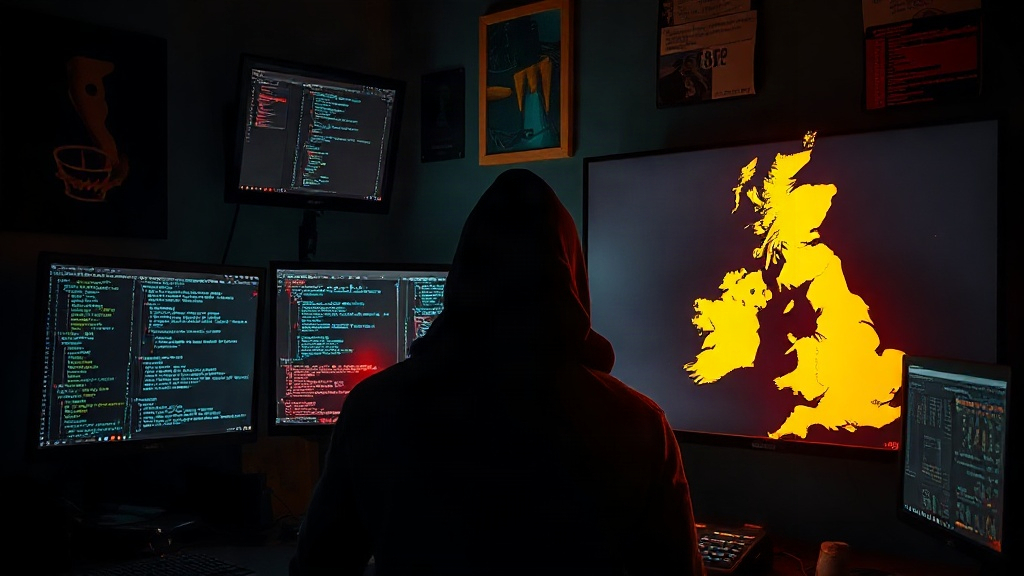
Imagine checking your email one morning and finding a message that says your personal details, including your name, address, and possibly even your travel history, are now circulating on the dark web. For 8.7 million people, this nightmare became a reality after a cyberattack on a group that operates some of the UK's busiest airports. The breach, which came to light recently, is a stark reminder of how vulnerable our digital footprints are, even when we are just trying to catch a flight.
The company at the center of this incident, which manages Manchester, Stansted, and East Midlands airports, confirmed that it had been hacked last month. The attackers, who have not been publicly identified, have now published a vast trove of data online. While the full scope of the stolen information is still being assessed, early reports suggest that it includes names, email addresses, phone numbers, and potentially more sensitive details such as passport numbers or travel itineraries. For anyone who has passed through these airports or interacted with the group's services, the news is deeply unsettling.
What We Know About the Breach
The hack was first detected when the company noticed unusual activity on its systems. By the time the breach was contained, the attackers had already exfiltrated a significant amount of data. The group has been tight-lipped about the exact methods used, but cybersecurity experts speculate that the attackers may have exploited a vulnerability in the company's network or used phishing techniques to gain access. What is clear, however, is that the attackers were able to move laterally through the system undetected for a period of time, which allowed them to collect data on a massive scale.
Once the data was stolen, the criminals followed a now-familiar playbook: they threatened to release the information unless a ransom was paid. When the company refused to comply, the attackers made good on their threat and published the data on a dark web forum. This tactic, known as double extortion, has become increasingly common in ransomware attacks. It puts victims in an impossible position: pay up and hope the criminals keep their word, or refuse and risk having sensitive information exposed to the world.
Why This Breach Is Different
Data breaches have become so frequent that many people have grown numb to the headlines. But this incident stands out for a few reasons. First, the sheer scale: 8.7 million people is not a small number. It represents a significant portion of the UK's traveling public, and the impact will be felt for years. Second, the nature of the data: airports are not just places where we pass through; they are hubs of personal information. From booking a flight to checking in, we hand over a staggering amount of data, often without thinking twice. Third, the potential for secondary attacks: with this data in the wild, criminals can launch highly targeted phishing campaigns, commit identity theft, or even track individuals' movements.
What Information Was Exposed?
The company has not yet released a full inventory of the stolen data, but based on what has been observed on the dark web, it appears to include:
- Full names
- Email addresses
- Physical addresses
- Phone numbers
- Dates of birth
- Passport numbers (in some cases)
- Travel itineraries and booking details
For many victims, this is more than enough information for a criminal to open fraudulent accounts, apply for loans, or even impersonate them. The inclusion of passport numbers is particularly concerning, as these are often used as a form of identification in the UK and can be difficult to change. If you have ever used Manchester, Stansted, or East Midlands airports, you should assume that your data may be part of this breach and take immediate action.
What Should You Do If You Are Affected?
If you believe your data may have been compromised, there are several steps you should take right away. First, change your passwords for any accounts that might be linked to the airports' services. Use a strong, unique password for each account, and consider using a password manager to keep track of them. Second, enable two-factor authentication wherever possible. This adds an extra layer of security that can stop attackers even if they have your password. Third, monitor your financial accounts and credit report for any suspicious activity. If you see anything unusual, report it to your bank or credit card company immediately.
You should also be on high alert for phishing attempts. The attackers may use the stolen data to send convincing emails or text messages that appear to come from the airports or other legitimate organizations. Be wary of any unsolicited messages that ask for personal information or urge you to click on a link. When in doubt, go directly to the official website by typing the URL into your browser rather than clicking on a link.
Finally, consider placing a fraud alert on your credit file. This tells creditors to take extra steps to verify your identity before opening new accounts in your name. It is a simple step that can prevent a lot of headaches down the line.
The Bigger Picture: Airport Cybersecurity
This breach is not an isolated incident. Airports and airlines around the world have been targeted by cybercriminals for years, and the frequency and sophistication of these attacks are only increasing. In 2023, a major airline suffered a breach that exposed the data of millions of passengers. In 2022, a European airport was hit by a ransomware attack that disrupted operations for days. The reality is that the aviation industry is a prime target for cybercriminals because it holds vast amounts of personal and financial data, and its systems are often complex and interconnected.
There are several reasons why airports are so vulnerable. First, they operate 24/7 and cannot afford to shut down systems for extended periods, which makes them more likely to pay ransoms. Second, they rely on a vast network of third-party vendors and partners, each of which can be a potential entry point for attackers. Third, the sheer volume of data they collect, from passport scans to payment details, makes them a goldmine for criminals. As this breach shows, even a well-resourced organization can fall victim to a determined attacker.
What Can Be Done to Prevent Future Breaches?
Preventing cyberattacks is a constant battle, but there are steps that airports and other organizations can take to reduce their risk. First, they must invest in robust cybersecurity measures, including regular security audits, employee training, and up-to-date software. Second, they should adopt a zero-trust security model, which assumes that no user or device is trustworthy by default and requires verification at every step. Third, they should have a clear incident response plan in place so that they can act quickly if a breach does occur. Finally, they should be transparent with their customers about what data they collect, how it is used, and what they are doing to protect it.
For individuals, the best defense is to be proactive about your own digital security. Use strong, unique passwords, enable two-factor authentication, and be cautious about what information you share online. In an age where data breaches are all but inevitable, the goal is not to avoid them entirely but to minimize the damage when they happen.
Conclusion
The publication of data belonging to 8.7 million people after the airports hack is a wake-up call for everyone. It shows that no organization is immune to cyberattacks, and that the consequences can be far-reaching. If you are one of the affected individuals, do not panic. Take the steps outlined above to protect yourself, and stay vigilant. If you are not affected, use this as an opportunity to review your own security practices. In the digital age, your data is one of your most valuable assets. Treat it that way.
Frequently Asked Questions
How do I know if my data was included in the airports hack?
The company has not yet released a full list of affected individuals, but if you have used Manchester, Stansted, or East Midlands airports in the past, you should assume your data may be compromised. Monitor your accounts and watch for any suspicious activity. You can also check websites like Have I Been Pwned to see if your email address appears in known breaches.
What should I do if I receive a suspicious email claiming to be from the airports?
Do not click on any links or download any attachments. Instead, go directly to the official airport website by typing the URL into your browser and log in to your account to check for any legitimate messages. Report the suspicious email to the airport's customer service and to your email provider.
Can I change my passport number if it was exposed?
In the UK, you cannot change your passport number simply because it was exposed in a data breach. However, you can report the issue to the passport office and they may issue you a new passport if you can demonstrate that you are at risk of identity theft. Contact the passport office for guidance.
Is it safe to fly through these airports after the hack?
Yes, the hack does not affect the physical safety or operations of the airports. The breach was a data security incident, and the airports have taken steps to secure their systems. However, you should remain vigilant about your personal information and follow best practices for digital security.
What is the company doing to prevent future breaches?
The company has stated that it is working with cybersecurity experts to investigate the breach and has implemented additional security measures. However, they have not provided specific details. In general, organizations should conduct regular security audits, train employees, and adopt a zero-trust approach to reduce the risk of future attacks.