
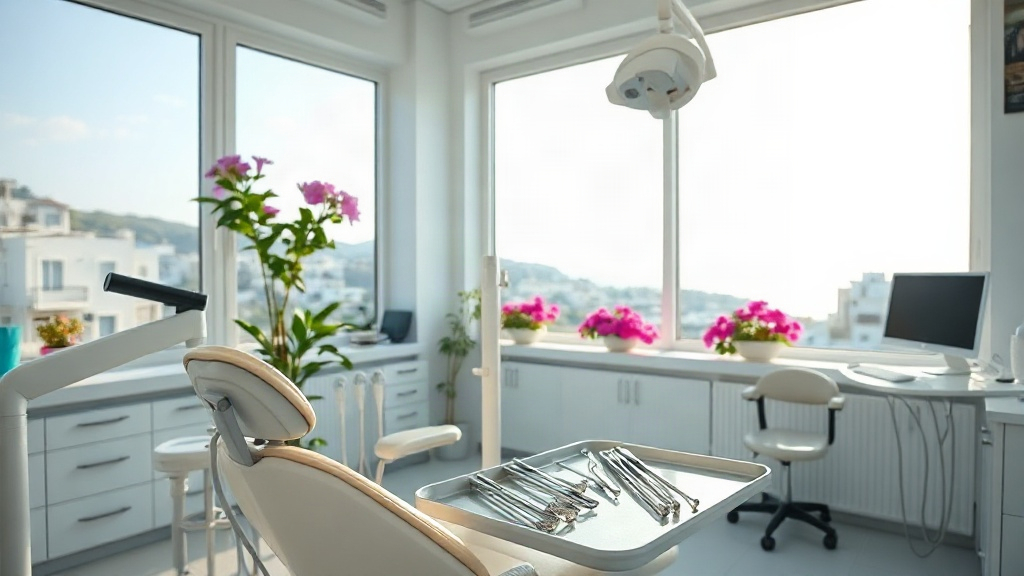
Every summer, thousands of travellers arrive in Bodrum with a suitcase in one hand and a mental checklist in the other: sunscreen, boat trip, maybe a long-delayed dental appointment. It sounds odd until you talk to people who have actually done it. Dental tourism along the Aegean coast has grown quietly and steadily, and Gumbet, with its compact streets and easy access to Bodrum centre, has become a convenient base for visitors who want treatment without turning their holiday into a medical marathon. If you are searching for a Gumbet Dentist, the real question is not whether clinics exist. It is how to tell a well-run practice from a rushed one, and how to fit treatment around sea days, flights and hotel checkouts.
Why Gumbet Attracts Dental Travellers
Gumbet sits a short dolmus ride from Bodrum's centre, which matters more than it sounds. Many visitors stay in Gumbet for the beach and nightlife, then discover that the peninsula's dental infrastructure is concentrated nearby. Clinics here tend to serve two audiences at once: local residents who need routine care, and international visitors who are combining a holiday with treatment. That mix is actually a good sign. A practice that depends entirely on one-time foreign patients can afford to cut corners. A practice with a steady local base usually cannot.
Cost is the obvious draw, but it is rarely the whole story. People book treatment abroad for three reasons: shorter waiting lists, package pricing that includes materials and follow-up, and the chance to recover somewhere pleasant instead of a grey city. A root canal followed by an afternoon on a sun lounger is not everyone's idea of recovery, but for straightforward procedures with clear aftercare instructions, the setting genuinely helps.
What to Look For in a Dental Clinic Bodrum Visitors Can Trust
Choosing a bodrum dentist is not like choosing a restaurant from the seafront. You cannot judge a clinic by its sign. Here are the signals that separate a solid practice from a risky one.
Transparent Treatment Plans
Before you commit, you should receive a written plan that names each procedure, the materials involved, the number of sessions, and the total price. If a clinic only gives you a verbal estimate and pressures you to decide the same day, treat that as a warning. Reputable practices are comfortable with you taking a day to think, especially when implants or multiple crowns are involved.
Diagnostics Before Decisions
A proper examination includes X-rays, and for implants or complex work, a CBCT scan. If a dentist recommends an implant without imaging, walk away. This is not a small detail. Implant placement depends on bone volume, nerve position and sinus proximity, none of which can be assessed by eye alone.
Sterilisation You Can Actually See
You do not need to audit the autoclave, but you should notice the basics: sealed instrument pouches opened in front of you, fresh gloves, disposable covers, and a clean treatment room. Clinics that follow strict protocols are rarely shy about showing them.
Clear Aftercare and a Contact Point
Ask what happens if something feels wrong two weeks after you fly home. Good clinics provide written aftercare instructions, a direct contact for questions, and documentation you can hand to your dentist at home. They also explain which procedures are safe to combine with a holiday and which need a longer recovery window.
Popular Treatments and Realistic Timelines
Not every procedure suits a short trip. Understanding timelines prevents the classic mistake of booking too much in too few days.
- Scaling and polishing: a single session of 30 to 45 minutes. Safe to schedule early in your trip, with no restrictions afterwards.
- Composite fillings: usually one appointment per tooth, though multiple fillings can often be done in one sitting. You can eat normally once the anaesthetic wears off.
- Teeth whitening: in-office whitening takes about an hour. Sensitivity for a day or two is common, so avoid booking it the day before a long flight.
- Root canal treatment: typically two visits, sometimes one for straightforward cases. Plan a few days between sessions if your schedule allows.
- Crowns and veneers: usually require two visits separated by several days, since the restoration is fabricated in a laboratory between appointments.
- Dental implants: the placement itself is one appointment, but healing takes months. Many patients have the implant placed in Bodrum and return later, or arrange the final crown with a dentist at home.
If you are in Gumbet for ten days, a combination of cleaning, a couple of fillings and whitening is realistic. Implants and full smile makeovers need more planning, and honest clinics will tell you so rather than squeezing everything into your last three days.
How to Plan Treatment Around Your Holiday
The most common mistake is booking treatment for the final days of a trip. If a temporary crown needs adjusting or a filling feels high, you want time to return to the clinic before your flight. Schedule dental work in the first half of your stay whenever possible.
Consider your flight home as well. After a surgical procedure such as an extraction or implant placement, most dentists advise against flying for a short period, mainly because of pressure changes and the risk of complications at altitude. A window of a few days is usually recommended, but your dentist should confirm based on your specific case.
Food and drink deserve a mention too. If you are having extensive work, you may want to avoid very hot, spicy or crunchy meals for a day or two. Gumbet's cafe culture makes soft options easy to find, from soups to yoghurt-based mezes, so this is rarely a hardship.
Questions Worth Asking Before You Book
A short list of questions will tell you a great deal about a practice. Ask who will perform the treatment and whether that dentist will be present for all sessions. Ask what materials are used, particularly for crowns and implants, since brand and origin affect longevity. Ask about the warranty on restorative work and what it covers. Ask for the price in writing, including any laboratory fees. Finally, ask whether the clinic has English-speaking staff for every appointment, not just the initial consultation.
It also helps to check reviews across more than one platform. A clinic with a hundred five-star reviews and no critical ones is worth a second look, because real practices occasionally have unhappy patients and how they respond matters. Look for detailed reviews that mention specific treatments and follow-up, not just generic praise.
Making the Most of Your Trip
One advantage of combining dental care with a Bodrum holiday is that the peninsula rewards a slower pace. After a morning appointment, you can spend the afternoon at Gumbet beach or take a short boat trip, provided your dentist has cleared you for swimming. For minor treatments, that is usually fine the same day. For surgical work, expect to wait a little longer.
The key is to treat the dental part as the anchor of your schedule and build the holiday around it, not the other way round. Book your consultation early, keep a copy of your treatment plan, and leave a buffer day before you fly. Done properly, a dental trip to Bodrum can be both productive and genuinely enjoyable, and you go home with more than a tan.
Frequently Asked Questions
Is it safe to have dental treatment in Gumbet as a tourist?
Yes, provided you choose a licensed clinic with proper diagnostics and sterilisation. Turkey has a well-developed dental sector with modern equipment, and many clinics in the Bodrum area treat international patients routinely. The main risk is choosing a provider based on price alone, so check credentials, read reviews and insist on a written treatment plan.
How much can I save compared to UK or European prices?
Savings vary by procedure and clinic, but treatment in Turkey is generally less expensive than in the UK or much of Western Europe. Implants, crowns and larger restorative cases tend to show the biggest differences. Rather than chasing the lowest quote, compare what each price includes: materials, imaging, follow-up visits and any warranty.
Can I get a same-day appointment in Bodrum?
Many clinics keep slots for urgent cases such as toothache or a broken filling, especially outside peak season. For planned work like crowns or implants, booking ahead by email or phone is far better, since it lets the clinic prepare materials and reserve enough chair time for you.
What should I do if I have a problem after returning home?
Contact the clinic first. Most reputable practices will advise you by phone or video and, if needed, coordinate with a local dentist for a simple adjustment. Keep your treatment records and X-rays, which clinics usually provide on request, so your dentist at home can see exactly what was done.
How do I choose between clinics in Gumbet and Bodrum centre?
Location matters less than the practice itself. Gumbet is convenient if you are staying nearby, while Bodrum centre offers a wider range of clinics. Focus on diagnostics, sterilisation, communication and aftercare rather than the neighbourhood, and visit in person before committing to anything major.