
A Turkish hammam is more than a steam bath; it is a living cultural ritual that has threaded through centuries of Turkish life. From grand city baths to intimate neighborhood hammams, the experience blends warmth, water, and social connection, rooted in Ottoman hammam history. In this Turkish hammam guide, you will discover what makes the authentic Turkish bath unique and how to navigate its rituals. The guide also highlights Turkish bath benefits and how a respectful, mindful approach preserves tradition while embracing modern comfort. Whether you are planning your first visit or seeking deeper cultural understanding, this overview invites relaxation, clarity, and meaningful connection.
This enduring bath culture unfolds as a ceremonial cleansing, where heat, steam, and water work together to soothe body and mind. Seen through the Ottoman-era bathhouse heritage, bathers move through a sequence of warm rooms toward a cool-down, massage, and reflective pause. The experience is less a quick spa treatment and more a social ritual embedded in history, architecture, and hospitality. Whether framed as a traditional hammam or a modern spa adaptation, the essence remains the same: sensory immersion, mindful pace, and shared wellness.
1) The Turkish Hammam Experience: A Timeless Ritual and Turkish Hammam Guide
A Turkish hammam unfolds as a living cultural ritual, a warm invitation into a history-rich space where water, air, and breath become a shared language. This Turkish hammam guide seeks to illuminate the experience not only as cleansing but as a mindful ceremony that connects body, community, and place. Expect the sensory rhythm of steam, marble, and quiet conversation to guide you toward a slower, more deliberate pace of self-care.
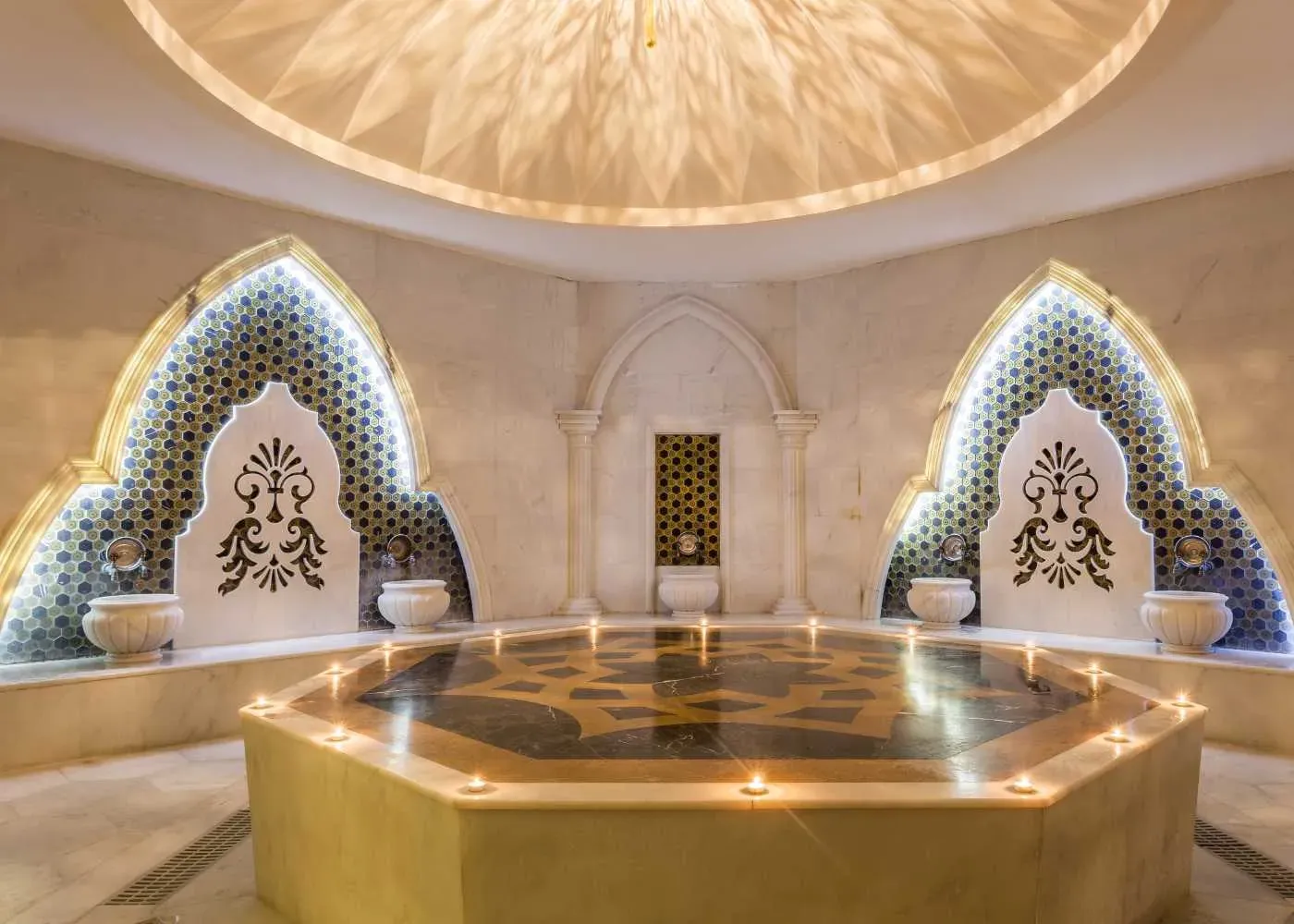
In this context, the journey through heat, cleansing, and cooling forms the core of an authentic Turkish bath. The architecture—domed ceilings, polished stone, and mosaic walls—serves as a stage for social warmth and personal reflection. As you move through the ritual, you’re not merely cleansing skin; you’re participating in a tradition that has shaped hospitality and well-being for generations in an authentic Turkish bath setting.
2) Understanding Hammam Steam Bath Rituals: Step-by-Step from Arrival to Reflection
The hammam steam bath rituals begin with a calm entrance, where you settle into the pace of the space, wrap in a pestemal, and prepare your body for the heat. The first steps—arrival and preparation—set the tone for a ritual designed to awaken the senses gradually and protect comfort in a humid, sun-warmed environment.
As heat builds, the ritual unfolds through a dance of textures and temperatures: loosened muscles, glistening skin, and the soft hiss of steam. Exfoliation with a kese and the later massage work in harmony to renew and revitalize. The final rinse and slow cooldown complete the cycle, leaving a quiet, refreshed state that lingers long after the towels are folded away and the room quiets.”
3) Healing and Well-Being in the Turkish Bath: Benefits, Hydration, and Safe Practice
Turkish bath benefits extend beyond cleansing, reaching the realm of relaxation, circulation, and skin renewal. The layered heat and humidity help ease tension, boost blood flow to the skin, and encourage mindful breathing—a holistic form of self-care that aligns with the soothing tempo of hammam life.
To enjoy these benefits safely, hydration and skin comfort are essential. Sip water between steps, respect personal limits, and consult a professional if you have health concerns such as cardiovascular conditions or skin irritations. When approached with care, the Turkish bath becomes a balanced practice that supports long-term well-being while preserving the ritual’s reflective, restorative nature.
4) Origins and Ottoman Hammam History: Architecture, Culture, and Social Significance
The origins of the hammam lie in cleansing traditions that evolved through Roman baths and matured within Ottoman hammam history. The iconic multi-chamber design, with domed ceilings and marble warmth, reflects centuries of social routine—spaces built not only for cleansing but for conversation, ceremony, and community bonding.
Ottoman hammam history reveals how architecture and ritual merged into a cultural language of hospitality. The careful acoustics, glowing tiles, and central benches tell a story of how wellness and social life intertwined, influencing modern wellness spaces worldwide while preserving the distinctive atmosphere of a traditional Turkish bath.
5) Choosing an Authentic Turkish Bath: Etiquette, Attire, and Practical Tips (Turkish hammam guide)
Selection matters when seeking an authentic Turkish bath. Look for venues that balance historic ambiance with clear etiquette, transparent pricing, and skilled attendants specializing in kese and massage. The best spaces honor the ritual’s heritage while offering modern comfort, ensuring your visit feels both culturally respectful and personally restorative.
What to bring and how to behave are practical anchors for a smooth experience. A pestemal, perhaps a small extra towel for privacy, comfortable footwear, and a bottle of water help you move through the ritual with ease. Observing pace, speaking softly, and respecting shared spaces reflect the spirit of a true Turkish hammam guide, while knowing when to ask questions or request private arrangements will help you connect more deeply with the authentic Turkish bath experience.
Frequently Asked Questions
What is a Turkish hammam, and what should a first-time visitor know from a Turkish hammam guide?
A Turkish hammam is a ritualized steam bath rooted in Ottoman tradition, designed to cleanse, relax, and encourage social connection. A typical session moves through progressively warmer rooms, a central marble bench, exfoliation with kese, cleansing, massage, rinsing, and a cooling period. A Turkish hammam guide helps you understand practical etiquette (such as wrapping in a pestemal), what to bring, and how to communicate comfort levels with attendants.
What are hammam steam bath rituals in a Turkish hammam, and how is the ritual sequence performed?
The ritual sequence commonly follows arrival and preparation, heating and loosening, exfoliation with kese, lather and cleansing with massage, rinsing and hydration, then cooling and reflection. The steam and heat relax muscles and open pores, making the exfoliation and massage more effective and renew skin. In practice, attendants tailor steps to comfort; speak up if you’d prefer gentler pressure or shorter exposure.
What defines an authentic Turkish bath, and how is authenticity preserved in practice?
An authentic Turkish bath blends authentic Turkish bath tradition with architecture such as domed ceilings, marble benches, and mosaic walls, plus trained attendants skilled in kese and massage. Authenticity is preserved through the continuity of ritual steps, respectful etiquette, and a pace that emphasizes breath, temperature, and mindful movement.
What are the Turkish bath benefits and how can you maximize them safely during a Turkish hammam session?
Turkish bath benefits typically include relaxation and stress relief, improved circulation, and smoother skin from exfoliation and cleansing. To maximize these benefits safely, stay hydrated before, during, and after the session; go slowly if you’re new to steam baths; avoid sessions if you have certain health conditions; and heed staff guidance on comfort and duration.
How does Ottoman hammam history shape the design and etiquette of a modern Turkish hammam?
Ottoman hammam history informs the multi-room heat sequence, domed architecture, and warm stone surfaces that define many baths today. Etiquette and privacy norms, pestemal wraps, and the attendant-led ritual reflect long-standing practices carried into contemporary Turkish hammam experiences.
| Section | Key Points | Details |
|---|---|---|
| Origins and cultural significance | Origin traces back to Roman bathhouses; developed in the Ottoman era; spaces designed for ritual cleansing, relaxation, and conversation; mosaic tiles and marble architecture; tied to life events and hospitality. | Entering a hammam invites mindfulness—focus on breath, temperature, and touch as mindful care. |
| What to expect in a Turkish hammam | Sequence of heated rooms; domed ceiling; central marble bench; separate sections by gender or session; flow from heat to cleansing to massage creates meditative rhythm. | Experience centers on steam, water, and movement; meditative rhythm. |
| The ritual steps: hammam steam bath rituals explained | Steps 1–6: arrival/prep; heating; exfoliation with kese; lather, cleansing, and massage; rinsing and hydration; cooling and reflection. | Variations exist city to city; communicate comfort level with the attendant. |
| Etiquette, attire, and comfort | Attire: pestemal wrap; modesty; venue hours and space etiquette; tipping; privacy expectations. | Avoid heavy perfumes; speak softly; observe staff guidance and local norms. |
| Gearing up: what to bring and wear | Pestemal; swimsuit or undergarments (if preferred); flip-flops; waterproof bag; water bottle; optional skincare. | Pack light and practical items suited for steam environments. |
| Health considerations: benefits and cautions | Potential benefits: relaxation, improved circulation, exfoliation, hydration; Cautions: hydration, medical conditions, skin issues; open wounds; start slowly. | Stay hydrated, consult a professional if pregnant or with conditions; stop if uncomfortable. |
| Choosing an authentic Turkish hammam experience | Architecture and ambiance; staff expertise in kese and massage; transparent etiquette and pricing; location and accessibility. | Historic baths offer tradition; modern spaces can preserve ritual with updated amenities. |
| The Ottoman hammam history and design influence | Ottoman multi-chamber design; varying heat levels; domed ceilings; tile work; acoustics and light; heritage visible in contemporary baths. | Travelers experience links between past civilizations and present wellness culture. |
| Post-hammam care and the afterglow | Rest, hydration, and light nourishment after the session; afterglow can last hours to days; some traditions encourage regular visits; others suggest moderation. | Recovery practices support long-term well-being and balance. |
Summary
Turkish hammam, zengin bir kültürel uygulamaya açılan kapı niteliğindedir. Isı, buhar ve sosyal etkileşimin birleştiği bu ritüel, bedeni temizlerken zihni de sakinleştiren bir deneyim sunar. Mimari zarafet, mermer banklar ve kubbeli tavan ziyaretçilere zamanın durduğunu hissettiren bir atmosfer yaratır. Bu deneyim, gelenek ve modern konfor arasında denge kurar; misafirperverlik ve hijyen değerleriyle şekillenir. Post-hammam bakımında dinlenme, hidratasyon ve hafif bir atıştırmalık dönemler boyunca kendini yenilenmiş hissettirir. Türk hamam deneyimini keşfetmek isteyenler için, doğru mekanı seçmek, adabı muaşerete uygun davranmak ve ritmin tadını çıkarmak temel adımlardır.