
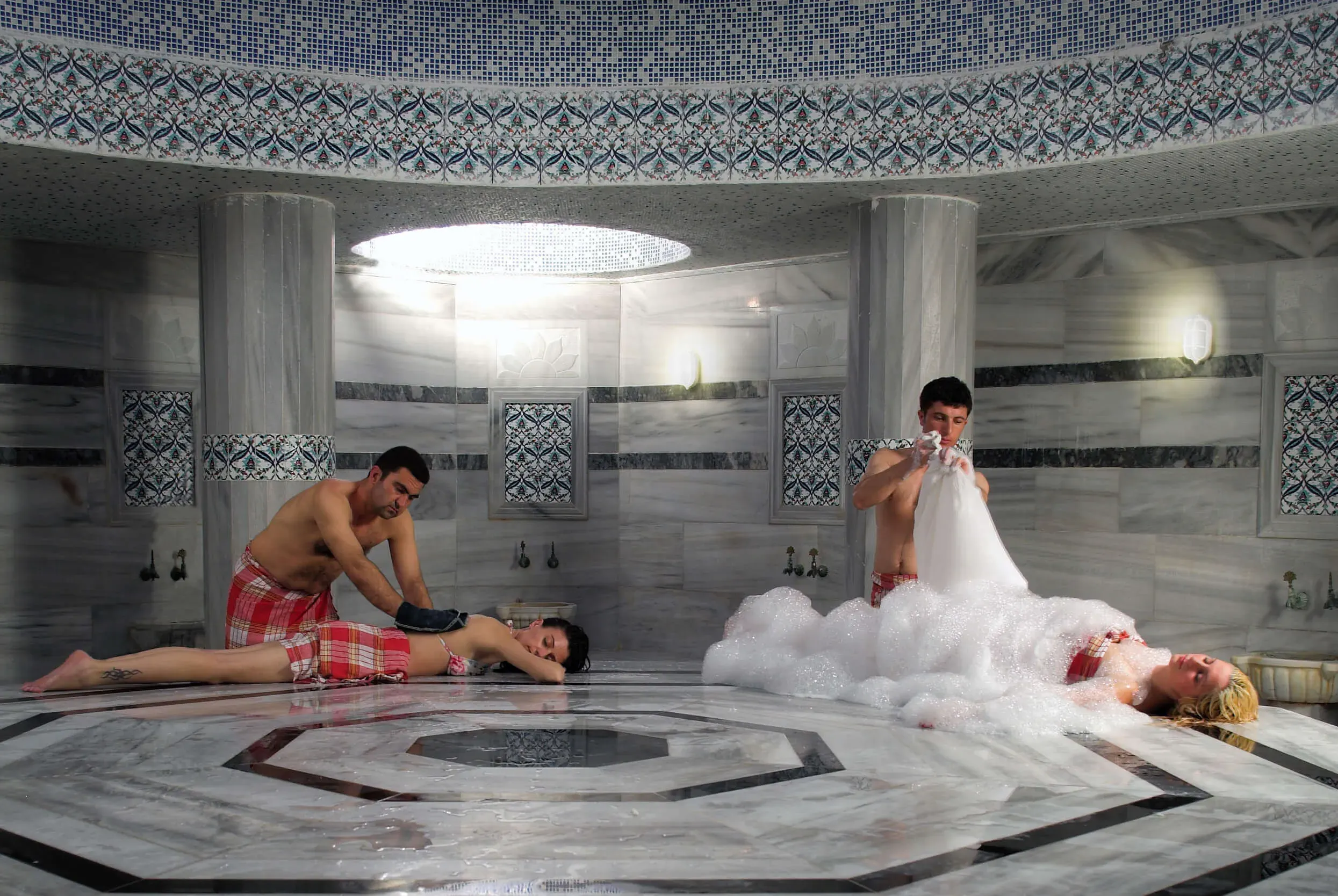
Turkish Hammam invites travelers into a world of centuries-old steam, ritual, and marble. Within Turkish spa culture, the experience blends cleansing, exfoliation, and social warmth in a ceremonial, steam-wrapped setting. This hammam experience is defined by a traditional sequence: warm room, soap, kese scrub, and a restorative massage. The space, with domed ceilings, marble benches, and a respectfully choreographed ritual, embodies hammam rituals and timeless atmosphere. If you are comparing the Turkish steam bath to a modern alternative or seeking authentic cultural context, the guide will help you navigate Turkish bath vs hammam options.
Beyond the name, think of a traditional bathhouse where heat and steam invite you to slow down and cleanse the body. In contemporary spa settings, a hammam-inspired steam room blends age-old rituals with modern comfort, offering a serene experience that mirrors Istanbul's bathhouse culture. The core sequence: prepare, lather with olive oil soap, scrub with kese, and finish with massage, appearing under various labels, including a Turkish-style bath, steam bath ritual, or ceremonial cleansing. Whether described as a traditional Turkish bathhouse, a steam spa, or a cultural cleansing ceremony, the essence remains the same: relaxation, social connection, and renewed skin.
Turkish Hammam: A Traditional Ritual Within Turkish Spa Culture
A Turkish Hammam is a traditional cleansing ritual deeply rooted in Ottoman-era spa culture. It goes beyond a simple bath, functioning as a structured sequence of heated spaces designed to relax muscles, purify the skin, and refresh the senses. The journey through hararet (the warm room), the hot room, and a cooling area embodies a spiritual and social routine that has long been a cornerstone of Turkish spa culture. In this setting, the ritual elements—soap, kese (exfoliation), and massage—are not mere services but ceremonial acts that connect body, mind, and community, making the hammam experience a distinctive cultural practice.
The space itself amplifies the ritual: domed ceilings, marble walls, and intricate tiling create a serene atmosphere that calms the mind while the heat builds a gentle glow on the skin. Attendants, known as tellak or natır, guide bathers through the cleaning rituals with practiced care, shaping the hammam experience into a timeless tradition. Whether you come for relaxation, skin renewal, or cultural immersion, the Turkish Hammam offers a sensory journey that is as much about atmosphere and tradition as it is about cleansing.
Turkish Bath vs Hammam: Distinguishing History, Rituals, and Modern Turkish Steam Baths
Turkish bath vs hammam is a distinction that travelers often explore. Traditionally, a hammam refers to the ritualized cleansing experience performed in a sequence of heated spaces with a strong social and ceremonial component. A Turkish steam bath, in contrast, can describe a broader category that includes modern spa facilities offering steam rooms and wellness services inspired by the hammam aesthetic but sometimes streamlined for efficiency. Understanding this difference helps set expectations for the core hammam rituals and the ambiance you’ll encounter.
In contemporary settings, many facilities present a hybrid experience: the essence of the hammam is preserved while integrating contemporary comforts, music, and polished design. A Turkish Bath in a modern spa might emphasize relaxation and convenience while still delivering the steam, exfoliation, and massage elements that echo traditional hammams. This distinction matters for travelers seeking authenticity versus a more accessible spa experience that nods to Turkish spa culture.
The Hammam Experience: Step-by-Step Rituals, Scrubs, and Massages
A typical hammam experience unfolds in deliberate stages that frame relaxation, cleansing, and renewal. Upon arrival, you’ll change into a pestemal (a lightweight cotton towel) and prepare for the warmth. The first space, the warm room, invites you to sit or lie on marble benches as the heat loosens muscles and induces gentle sweating. This is the moment to settle in and let the atmosphere begin to ease tension before the more intensive cleansing rituals begin.
Soap and massage form the heart of the hammam rituals. An attendant applies olive oil-based soap and performs a soothing massage, often followed by a kese exfoliation that removes dead skin and stimulates circulation. A rinse in warm water clears away soap and grime, after which many hammams offer access to a hotter room or a Göbek taşı—the heated marble slab—for deeper cleansing or massage. The experience typically concludes with a cooling rest and hydration, sometimes accompanied by herbal tea, completing the Turkish steam bath ritual in a tranquil and ceremonial fashion.
Hammam Etiquette and Preparation: Do's, Don'ts, and Practical Tips
Respect for the ritual and the staff is central to hammam etiquette. Dress modestly with a pestemal wrapped around the body, or opt for appropriate swimwear where permitted. Allow attendants to perform scrubs and massages with care, and consider tipping as a sign of appreciation for the hammam rituals you’ve experienced. Hydration is essential because the steam and cleansing process can be dehydrating, so drinking water before and after helps you maintain balance.
Preparation also means knowing what to bring and what may be supplied. Some hammams provide soap, kese mitts, and towels, while others expect you to bring your own. Check language support and facility format in advance if you’re traveling, and plan enough time for the full hammam experience, including the scrub, massage, and cooling phases. Being mindful of these details enhances comfort and ensures you receive the maximum benefits of the ritual.
Modern Turkish Spa Culture: Blending Historic Hammams with Contemporary Turkish Bath Experiences
Modern Turkish spa culture preserves the essence of the historic hammam while embracing contemporary wellness trends. Historic marble spaces with domed ceilings inspire design, atmosphere, and a sense of heritage—qualities that remain central to the Turkish spa experience even as facilities introduce modern lighting, music, and streamlined services. Guests can enjoy the iconic elements of traditional hammams alongside modern conveniences, making the Turkish steam bath a versatile wellness option.
Choosing between a historic hammam and a contemporary Turkish Bath depends on your goals. If you seek an authentic immersion in hammam rituals with a tellak’s touch, look for traditional institutions that emphasize sequence, exfoliation, and massage. If your priority is relaxation within a stylish wellness environment, modern Turkish Bath facilities can offer efficient sessions with hammam-inspired ambience. Either way, you’ll be engaging with Turkish spa culture that honors history while adapting to today’s wellness expectations.
Frequently Asked Questions
Turkish Hammam vs Turkish Bath: How do they differ in practice and atmosphere?
A Turkish Hammam is the traditional, ritualized cleansing experience with a sequence of heated rooms, a tellak or natır, and rituals like kese, soap lather, and massage in a marble-walled setting. A Turkish Bath usually refers to a modern spa interpretation that preserves hammam aesthetics but may streamline steps, shorten rituals, or offer self-serve options. For an authentic, community-focused ritual, choose a traditional hammam; for a contemporary, comfortable spa vibe, a Turkish Bath is a practical alternative.
What should I expect from a hammam experience in a traditional Turkish Hammam?
A hammam experience typically flows from arrival and changing into a pestemal, to the warm room (hararet), soap lather, and a kese scrub, followed by a massage on the Göbek taşı and a rinse. In a traditional Turkish Hammam, an attendant guides the ritual with scrubs and massage; in a Turkish Bath, steps may be shortened or self-directed. Bring a pestemal, feel comfortable with modest dress, and stay hydrated throughout.
What is a Turkish steam bath like within Turkish spa culture?
A Turkish steam bath is defined by high humidity, warm temperatures, and a serene marble ambiance—central to Turkish spa culture. In traditional hammam spaces, steam is built into a sequence of rooms (hararet and hot room) with a massage on the Göbek taşı; modern Turkish steams may adapt the format while preserving the communal, cleansing spirit. Expect a calm, ceremonial atmosphere that values cleanliness and social interaction.
What are the core hammam rituals I should know before visiting a traditional Turkish Hammam?
Core hammam rituals include arrival with a pestemal, entering the warm room, olive oil soap application, kese exfoliation, soap lather, rinse, and often a massage on the Göbek taşı. The 'hammam rituals' sequence can vary by location, but the traditional flow emphasizes cleansing, exfoliation, and relaxation under the guidance of an attendant. Respect the process, tip staff if satisfied, and hydrate before and after.
How should I choose between a traditional hammam and a Turkish bath vs hammam when planning a visit?
To decide, consider the facility format, expected ritual depth, and your schedule. If you want authentic, ritual-focused cleansing with a tellak or natır, seek a traditional hammam; if you prefer a modern, spa-style experience with hammam-inspired design, a Turkish bath vs hammam option may fit better. Check reviews for whether kese, soap, and massage are included, and plan time for a cooling-down period.
| Aspect | Key Points |
|---|---|
| What is Turkish Hammam | Traditional steam bath rooted in Ottoman spa culture. It’s a ritualized cleansing experience with a sequence of heated spaces (warm, hot, cool-down) and a central göbek taşı. Attendants (tellak/natır) perform soap lathering, exfoliation (kese), and massages. |
| What is Turkish Bath | A broader label for steam bath experiences in Turkey. In modern contexts, Turkish Bath can refer to facilities that adopt hammam aesthetics but may streamline or modify rituals for efficiency and guest comfort. |
| Differences in Practice and Atmosphere | Traditional hammams emphasize a full ritual with steps (soap, kese, lather, massage, rinse) and active attendant guidance; modern Turkish Baths may offer shorter or self-serve experiences with a more contemporary ambiance. |
| The Experience: Step by Step | Arrival and changing → warm room (hararet) → soap and massage (kese) → scrub and rinse → hot room or Göbek taşı massage → cooling and hydration. |
| Hammam Etiquette and Tips | Dress modestly (pestemal or towel), respect staff, stay hydrated, bring or check what’s provided, and consider health considerations before visiting. |
| Core Takeaways | Turkish Hammam is the traditional ritualized cleansing experience; Turkish Bath can describe broader or modern adaptations that preserve hammam aesthetics but may simplify steps. |
| Choosing the Right Experience | Research facility formats, check staff qualifications (tellaks/natır), and align with goals—authentic ritual vs. contemporary spa ambiance. |
| What to Wear and Bring | Pestemal or towel, flip-flops, water, and optional personal scrubbing tools; some hammams provide products, others expect you to bring your own. |
| Historical and Cultural Context | Hammams are rooted in Turkey’s spa traditions with domed ceilings, marble, and social rituals; modern Turkish Baths blend history with tourism-focused wellness. |
| Practical Travel Tips for the Turkish Hammam Experience | Visit in quieter times, bring tipping cash, seek language support where available, and combine with cultural experiences for a full immersion. |
Summary
Conclusion Turkish Hammam and Turkish Bath are more than a routine cleansing activity; they’re a doorway into Turkey’s rich spa traditions. Whether you opt for a traditional hammam with a tellak’s touch or a modern Turkish Bath that preserves the essence of the ritual in a contemporary setting, you’re embarking on an experience that blends history, culture, and relaxation. The differences between a traditional hammam and a modern Turkish Bath are subtle but meaningful, shaping the pace, atmosphere, and intimacy of the ritual. If you’re seeking a meaningful sensory journey that connects body and culture, a Turkish Hammam offers a timeless path to renewal, hospitality, and a deeper appreciation for Turkish spa culture.