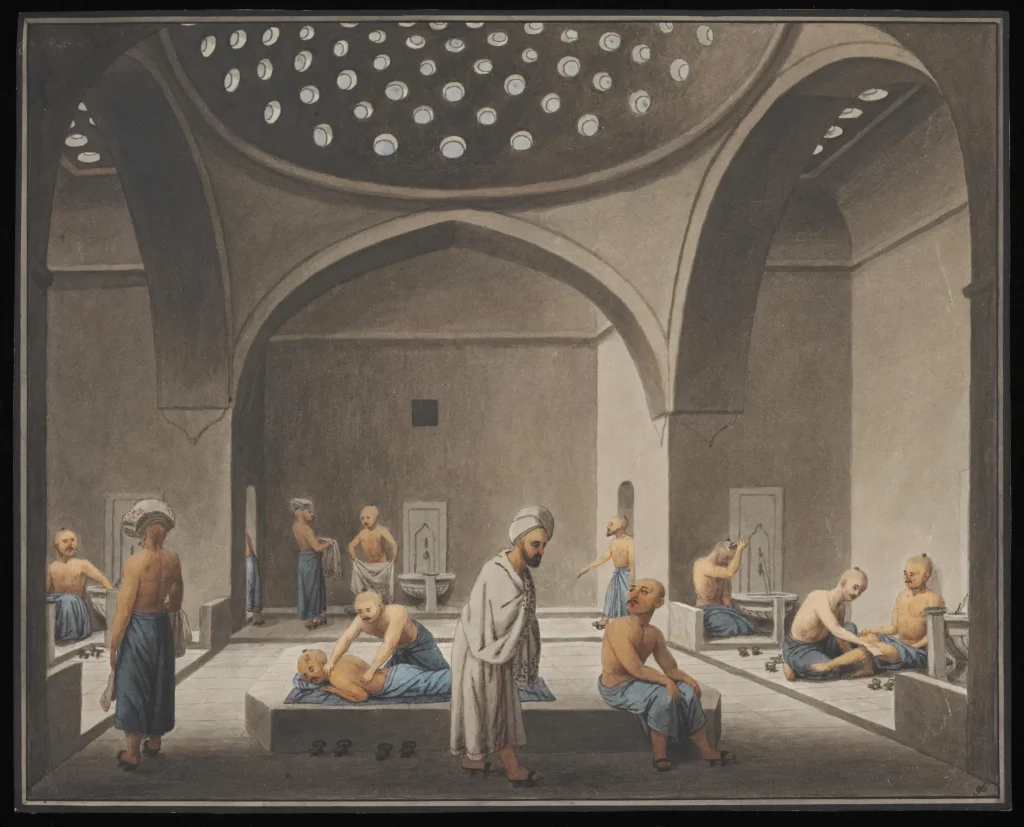
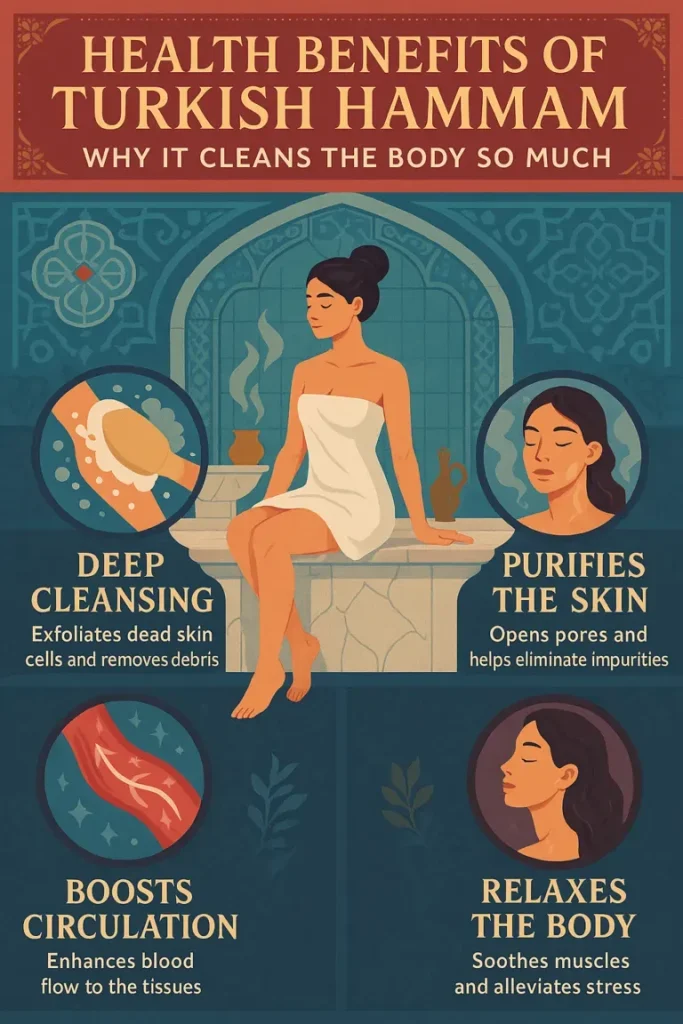
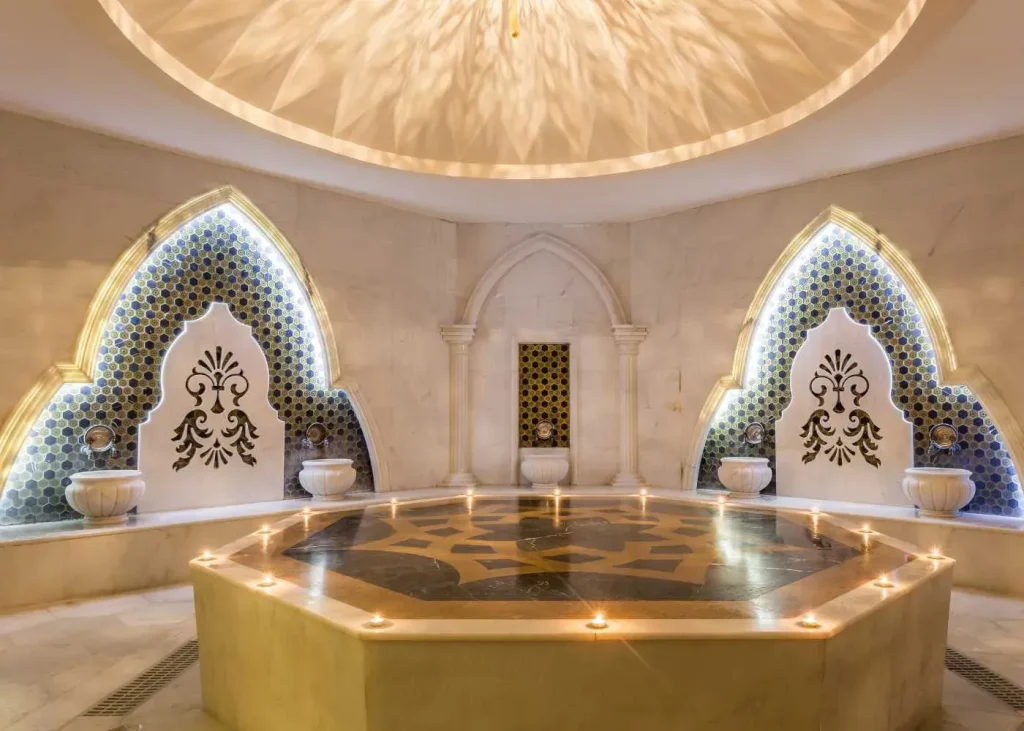
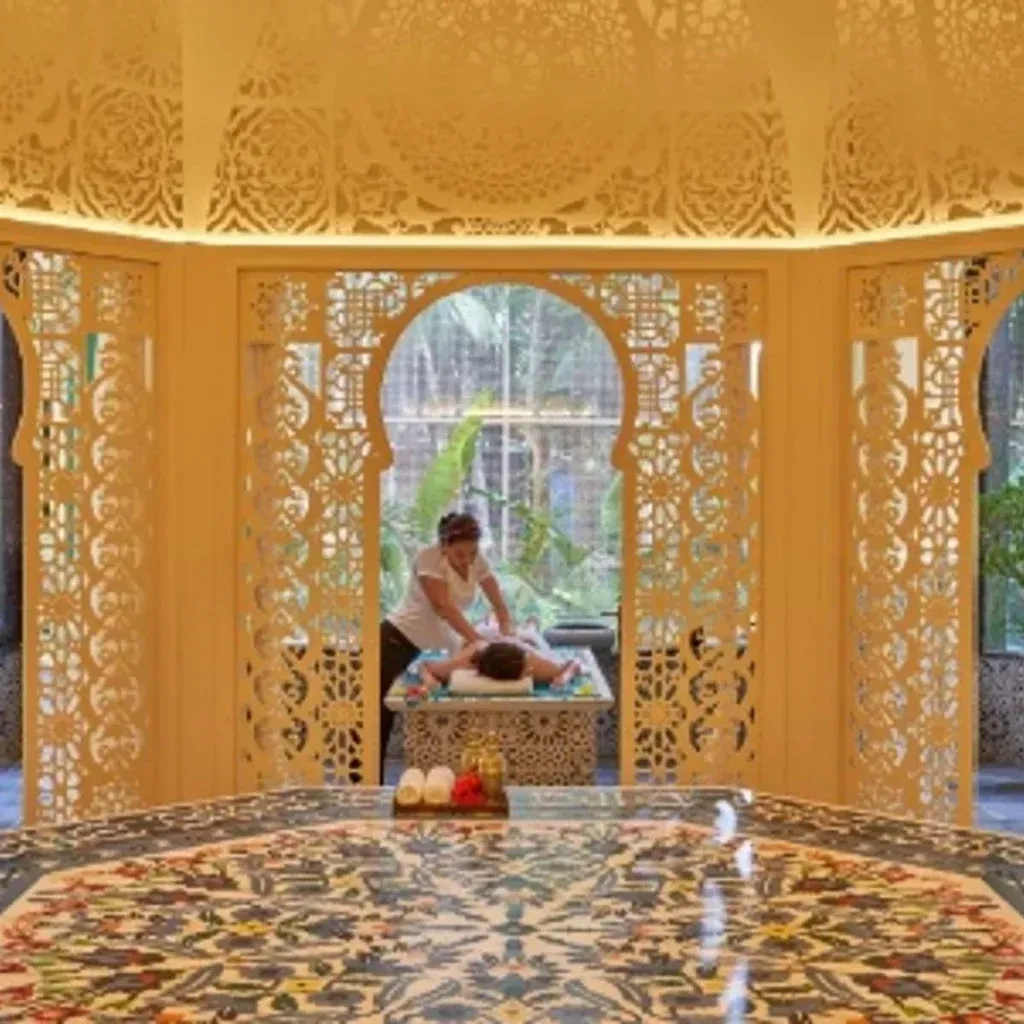
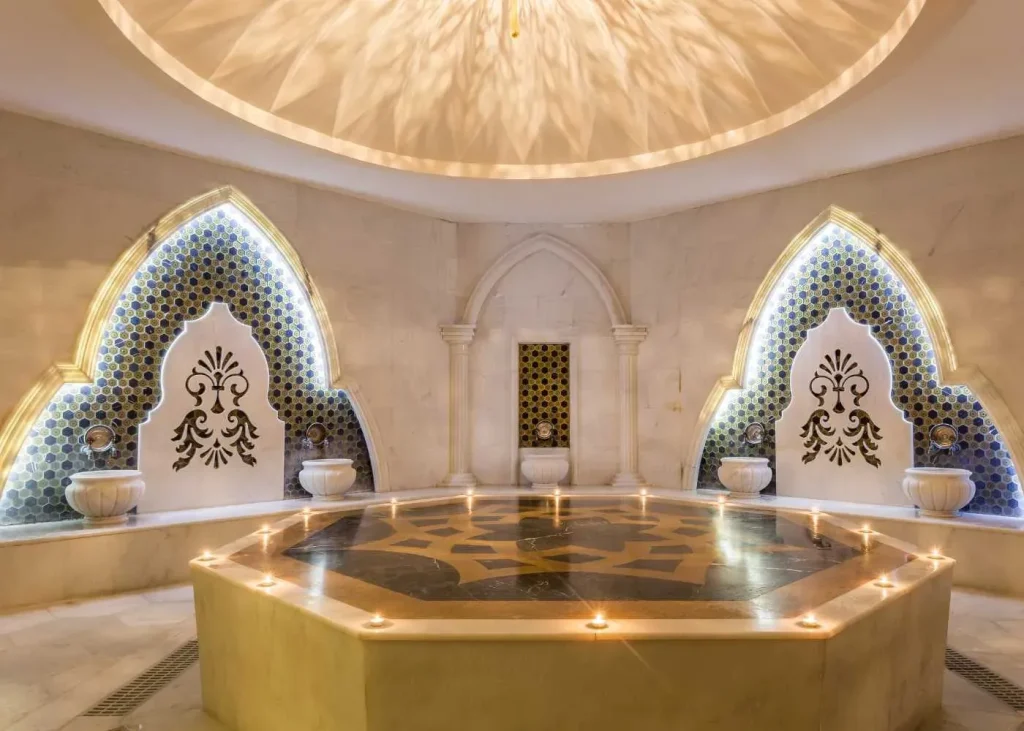
Turkish bath culture stands at the intersection of ritual, architecture, and communal life, turning cleansing into a mindful social practice that invites slow observation of body, breath, scent, and space, and that frames warmth as a shared, healing experience within intimate, centuries-old spaces that echo with the footsteps of generations who have gathered for restoration, conversation, and quiet contemplation after long days.Known widely as the hammam, this tradition blends marble-lined domes, steaming rooms, ritual washing, massage-like touches, and the skilled touch of attendants with a sense of ceremonial hospitality that nourishes skin, relaxes muscles, and opens quiet space for reflection, conversation, and a momentary departure from daily pressures.