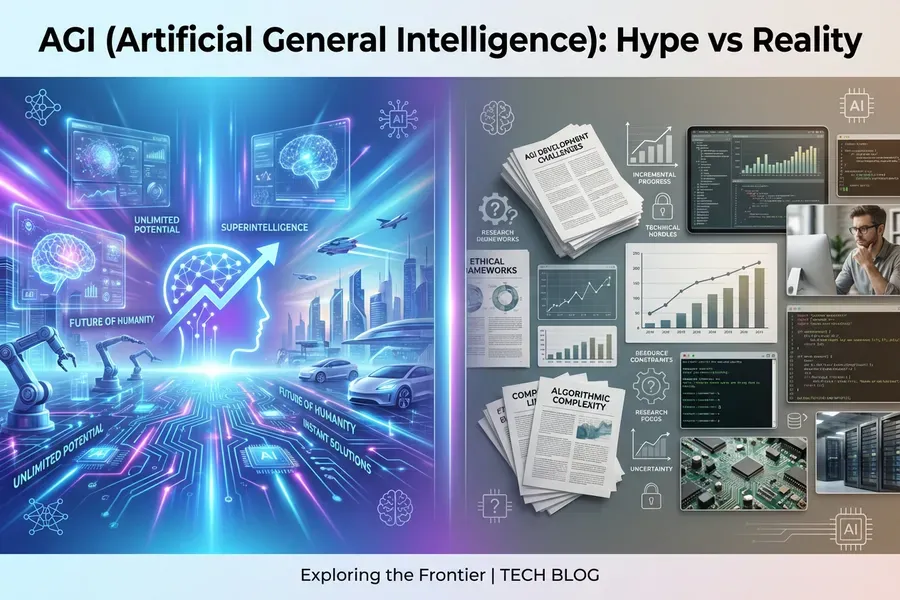
Artificial Intelligence Hype vs Reality frames a pragmatic debate about what AI can actually achieve in today’s organizations. The AI hype surrounding blockbuster demonstrations often overshadows the slower, steadier progress happening in real deployments. This article distinguishes the hype from the realities and the ethics that guide responsible use. It also highlights where real-world AI limitations temper expectations and where governance can unlock sustainable value. By focusing on measurable outcomes, data quality, and clear governance, readers can navigate hype toward practical, scalable results.
Equally, the conversation shifts from hype to the tangible value and constraints of intelligent automation. Industry chatter often frames AI as a universal fix, but practitioners describe a staged journey from pilot programs to scalable systems. Key concerns include data provenance, model governance, and the ethics of automated decisions. Real-world considerations hinge on data quality, regulatory alignment, and organizational trust rather than dazzling demonstrations. By reframing the discussion around practical outcomes, governance, and continuous learning, leaders can plot a path from experimentation to durable, measurable improvement.
Artificial Intelligence Hype vs Reality: Distinguishing Myth from Measurable Gains
Tech headlines often trumpet AI as a universal fix, feeding the AI hype. In the real world, the outcomes are more nuanced: real-world AI limitations surface in data, governance, and integration challenges. Yet many organizations still see tangible gains—automation that speeds routine tasks, smarter data processing, and decision support that frees people for higher-value work. The trick is to separate plausible outcomes from improbable disruption.
To translate hype into durable value, leaders should tether AI initiatives to specific business problems, define measurable success, and plan for data quality and system interoperability. Pilots should include pre-defined metrics, guardrails for bias and safety, and a roadmap for scale that accounts for ongoing model maintenance and governance.
Understanding Narrow vs General Intelligence: Why AI Excels at Some Tasks and Struggles with Others
Many AI systems excel at narrow tasks but struggle with broader reasoning, a distinction often described as narrow intelligence versus general intelligence. This is where the difference between machine learning vs AI becomes visible: ML models can map inputs to outputs well, but they don’t automatically acquire common sense or cross-domain expertise.
Understanding this gap helps explain real-world AI limitations: context matters, data shifts break models, and deployment requires careful data governance and monitoring to keep performance aligned with reality.
AI Adoption Challenges: Navigating Data Governance, Talent, and Change Management
AI adoption challenges repeatedly slow promising efforts into value. Strategic alignment matters—AI projects need clear business objectives and success criteria, backed by data governance, privacy protections, and risk controls.
Additionally, talent shortages, cross-functional collaboration, and change management create friction. Teams must work together, spanning data science, IT, and operations, while executive sponsorship helps scale pilots into enterprise capabilities.
Ethics and Regulation: Artificial Intelligence Ethics as a Guardrail in Deployment
Ethics matter in every AI project. Artificial intelligence ethics guides fairness, transparency, accountability, and privacy, helping teams avoid discriminatory outcomes and build user trust.
Regulation and governance frameworks provide guardrails—model audits, data stewardship, and risk management help ensure compliance while enabling responsible innovation and minimizing risk for stakeholders.
Measuring Value: Metrics, ROI, and Practical Evaluation of AI Projects
To judge value, move beyond headline capabilities and focus on measurable outcomes: cost reductions, revenue uplift, faster cycle times, and improved customer experiences. Success hinges on high-quality data, robust data governance, and clear evaluation criteria.
Robust pilots with ongoing monitoring and governance ensure that improvements persist after scaling, while accounting for data drift, model drift, and the need for maintenance, retraining, and transparent reporting on results.
Preparing for an AI-Augmented Enterprise: Governance, Compliance, and Culture Change
An AI-augmented enterprise requires governance, privacy, security, and regulatory readiness embedded into the operating model. Building a scalable foundation reduces risk and accelerates trustworthy deployments.
Finally, culture and capability matter: invest in upskilling, foster cross-functional collaboration, and establish ongoing governance practices to translate the hype into sustainable value rather than fleeting novelty.
Frequently Asked Questions
What is the core message of Artificial Intelligence Hype vs Reality when evaluating today’s capabilities?
The core message is to separate dramatic headlines from practical capability. Real-world AI limitations include narrow task performance, data quality issues, explainability gaps, and deployment frictions. Even so, AI delivers tangible gains in automation, data-driven decision making, and personalized experiences when deployed with governance and clear business objectives. By tying AI initiatives to measurable outcomes, organizations separate hype from real value.
How do real-world AI limitations shape AI adoption challenges in enterprises?
Real-world AI limitations—such as data bias, variable data quality, model explainability gaps, and integration complexity—drive major AI adoption challenges. Without strong data governance, robust testing, and ongoing monitoring, pilots rarely scale. Successful adoption relies on cross-functional teams, clear governance, and staged pilots that address risk, compliance, and change management.
In the debate over machine learning vs AI, how does hype align with actual capabilities?
Machine learning is a powerful subset of AI, but hype often blurs the line with broader artificial intelligence. Most deployed systems excel at narrow tasks rather than broad intelligence, and performance depends on data quality and domain context. Choosing the right tool—ML for pattern recognition or other AI methods for decision support—helps align expectations with reality.
Why do artificial intelligence ethics and regulation matter when bridging AI hype and reality?
Artificial intelligence ethics and regulation matter because responsible AI governs fairness, transparency, and privacy. Ethics frameworks and regulatory standards create trust, guide risk management, and require explainability in high-stakes decisions. Implementing governance, audits, and privacy protections helps ensure deployments deliver value without compromising rights.
What concrete value can AI deliver today, and where does AI hype overpromise?
Today, AI can improve automation, enable data-driven decision making, and personalize experiences at scale, delivering measurable gains in efficiency and engagement. However, it rarely delivers company-wide disruption overnight, and overpromising broad transformation can backfire. Pilots, governance, and measurable ROI are essential to translate hype into sustainable value.
What steps should leaders take to navigate AI adoption challenges and avoid overhyped promises?
Leaders should start with clear business goals and success metrics, invest in data quality and governance, and build cross-functional teams. Start with small, controlled pilots, implement explainable models where needed, and plan for governance, security, and compliance to scale responsibly. This disciplined approach helps move from AI hype to durable value.
| Topic | Key Points | Examples / Notes |
|---|---|---|
| Understanding the Landscape: Why Hype Flourishes |
|
Examples: dramatic model demos, near-human object recognition, robotics milestones; need to distinguish excitement from deployable value. |
| Real Gains in AI |
|
Domains: manufacturing, logistics, customer service; analytics in finance, healthcare, marketing. |
| Real-World AI Limitations |
|
Implications: real-world performance depends on data, governance, and ongoing management. |
| AI Adoption Challenges |
|
Value typically emerges from a series of small, well-governed pilots rather than a single breakthrough. |
| Ethics, Regulation, and Responsible AI |
|
Regulation builds trust but can slow deployments; it also creates baseline safeguards for responsible AI adoption. |
| Practical Takeaways for Readers |
|
Focus on business impact, governance, and collaborative problem-solving. |
| The Road Ahead |
|
Adoption hinges on managing expectations and sustaining governance as maturity grows. |
Summary
Artificial Intelligence Hype vs Reality is a topic defined by contrast: hype and practical reality. The table above outlines where AI already delivers tangible value—through automation, data-driven decision making, personalization, and safety—while also highlighting limitations such as narrow intelligence, data quality concerns, and deployment friction. For stakeholders, success depends on strategic alignment, robust data governance, responsible AI practices, and staged pilots that scale with governance and measurable outcomes. By balancing optimistic expectations with disciplined governance, organizations can pursue meaningful AI gains without overpromising results.